How to choose your rootstock?
Table of Contents
How to choose the ideal rootstock for your fruit trees?
Choosing the right rootstock is crucial for ensuring healthy growth and good production from your fruit trees. This article aims to clarify the specific characteristics of different rootstocks used for peach, cherry, plum, quince, pear, and apple trees.
The rootstock plays a crucial role in the development of a fruit tree, forming the foundation upon which the selected fruit variety will thrive. A fruit tree is composed of two essential parts: the aerial part, representing the fruit variety, and the root part, embodied by the rootstock. While the aerial part determines the type of fruit to be produced, the rootstock greatly influences vigor, disease resistance, tolerance to soil conditions, and the final size of the tree. It is therefore essential to choose a rootstock compatible with your region’s soil and climatic conditions to ensure healthy growth and abundant fruit production. In summary, a judicious choice of rootstock is just as crucial as selecting the fruit variety, as it forms the base that will allow your tree to flourish and produce quality fruit.
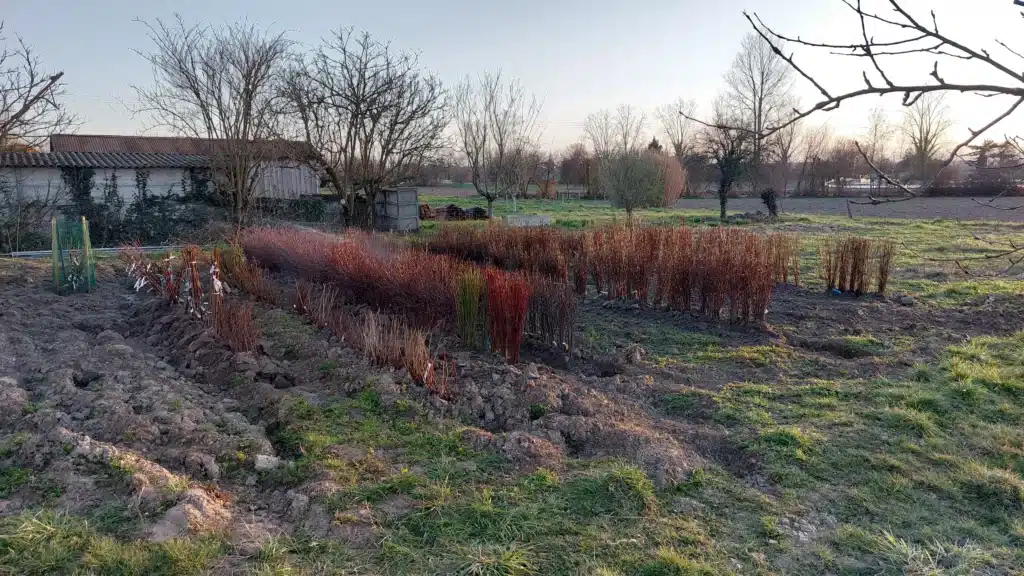
Rootstocks for Peach Trees
- Rubira:
- Vigor: Medium, allowing for good fruiting.
- Suitable soil: Prefers well-drained, light to medium soils.
- Final size: Between 2.5 and 3.5 meters, ideal for easy picking.
- Myrobolan:
- Vigor: Moderate, promoting harmonious and balanced development.
- Suitable soil: Very versatile, adapts to most soil types, even humid and compact ones.
- Final size: More compact, between 2 and 3 meters, facilitating maintenance and harvesting.
- GF677:
- Vigor: Medium to strong, well-balanced for fruit production.
- Suitable soil: Adapts well to various soil types, with a preference for fertile soils.
- Final size: Around 4 meters, allowing for a good harvest.
The Rubira, Myrobolan, and GF677 rootstocks are commonly used for their ability to improve the vigor of peach trees while offering some resistance to varied soil conditions. Myrobolan stands out for its exceptional versatility and its ability to produce more compact trees, making it an excellent choice for medium-sized gardens. The choice between these rootstocks will primarily depend on your orchard’s soil type and available space.
Rootstocks for Cherry Trees
- Colt:
- Vigor: Medium to strong, promoting vigorous growth.
- Suitable soil: Tolerates a wide variety of soils, including slightly calcareous or clayey ones.
- Final size: 3 to 4 meters, facilitating tree management.
- Gisela 5:
- Vigor: Dwarfing (33% of wild cherry), ideal for small spaces.
- Suitable soil: Prefers fertile and well-irrigated soils. Avoid poor soils.
- Final size: 1.5 to 2.5 meters, picking without a ladder and facilitates protection.
- Specifics: Very rapid fruiting (2-3 years), excellent for home gardens.
- Gisela 6:
- Vigor: Semi-dwarfing (55% of wild cherry), more vigorous than Gisela 5.
- Suitable soil: Adapts to all soil types, even heavy and humid ones.
- Final size: 2.5 to 3.5 meters, good size/productivity compromise.
- Specifics: Excellent productivity, early fruiting, very versatile.
- Prunus Avium (Seedling):
- Vigor: Very strong, for growers seeking large trees.
- Suitable soil: Prefers rich and well-drained soils.
- Final size: More than 5 meters, requires regular pruning.
The Gisela 5 and Gisela 6 rootstocks revolutionize cherry cultivation by allowing for more compact trees, rapid fruiting, and easier management. Gisela 5 is perfectly suited for small gardens, while Gisela 6 offers an excellent productivity/size compromise for family orchards.
Rootstocks for Plum Trees
-
Myrobolan:
- Vigor: Moderate to strong, promoting harmonious and balanced development.
- Suitable soil: Very versatile, adapts to most soil types, even humid and compact ones.
- Final size: More compact, between 3 and 4 meters, facilitating maintenance and harvesting.
-
St Julien A:
- Vigor: Medium, conducive to easy management.
- Suitable soil: Adapts well to a variety of soils, including heavier soils.
- Final size: 2.5 to 3.5 meters, allowing for easy harvesting and maintenance.
-
St Julien Inra II:
- Vigor: Medium, offering a good balance between growth and production.
- Suitable soil: Prefers well-drained and fertile soils.
- Final size: 2.5 to 3.5 meters, offering good accessibility.
The choice between these rootstocks depends on your orchard’s soil type, desired vigor, and available space.
Rootstock for Quince Trees
- BA29:
- Vigor: Medium, conducive to stable growth.
- Suitable soil: Adapts to a wide variety of soils, including heavy soils.
- Final size: 3 to 4 meters, allowing for easy harvesting and maintenance.
Rootstocks for Pear Trees
- Pyrus Kirchensaller (Seedling):
- Vigor: Strong, ideal for large-scale orchards.
- Suitable soil: Prefers fertile and well-drained soils.
- Final size: Can exceed 4 meters, requiring more space and maintenance.
- BA29:
- Vigor: Medium, offering a good balance between growth and production.
- Suitable soil: Tolerant of various soil types, including heavy or compacted soils.
- Final size: 3 to 4 meters, facilitating tree management and harvesting.
- Pyrodwarf:
- Vigor: Semi-dwarfing, slightly superior to BA29 but more moderate.
- Suitable soil: Adapts well to most soils, particularly effective on dry land.
- Final size: Approximately 4 meters, ideal for home orchard management.
- Specifics: Excellent compatibility with all pear varieties, including those incompatible with quince.
Pyrodwarf stands out for its exceptional versatility and universal compatibility with pear varieties. It is an excellent choice for varieties difficult to graft onto quince while offering moderate vigor, perfect for home gardens. The choice between Pyrus Kirchensaller (Seedling), BA29, and Pyrodwarf will depend on your preference for tree vigor, your orchard’s soil type, and available space.
Rootstocks for Apple Trees
B9:
- Vigor: Low, perfect for intensive cultivation with rapid fruiting.
- Suitable soil: Prefers well-drained soils, requires rich soil and regular irrigation.
- Final size: Approximately 2 meters, ideal for small spaces and easy harvesting.
M9:
- Vigor: Low to medium, ideal for restricted spaces.
- Suitable soil: Prefers rich, well-drained, and slightly acidic soils.
- Final size: 2 to 2.5 meters, allowing for easy harvesting and pruning.
MM106:
- Vigor: Medium to strong, suitable for medium to large orchards.
- Suitable soil: Tolerates a wide range of soil types, including heavy soils.
- Final size: 3 to 4 meters, requiring some maintenance.
M111:
- Vigor: Medium, offering a good balance between size and productivity.
- Suitable soil: Very resistant, adapts well to poor or poorly drained soils, drought tolerant.
- Final size: 4 to 5 meters, with strong anchorage and requiring less staking.
Seedling:
- Vigor: Very strong, for vast and well-spaced orchards.
- Suitable soil: Adapts well to various soil types, including less fertile soils.
- Final size: More than 5 meters, requiring more space and maintenance.
Rootstocks for Nashi Pears
Pyrus Kirchensaller (Seedling):
- Vigor: Strong, ideal for large-scale orchards.
- Suitable soil: Prefers fertile and well-drained soils.
- Final size: Can exceed 4 meters, requiring more space and maintenance.
Final words on choosing a rootstock
How to make the right rootstock choice to ensure the success of your orchard? The judicious selection of the rootstock is essential for the vigor, size, and production of your fruit trees. Considering the soil type and available space in your orchard will help you make an informed choice. Whether you are a professional or an amateur, understanding the specific characteristics of each rootstock will allow you to optimize the health and productivity of your orchard.
Find our other tips in our dedicated blog section.