Description
Apricot tree Tros Oranje
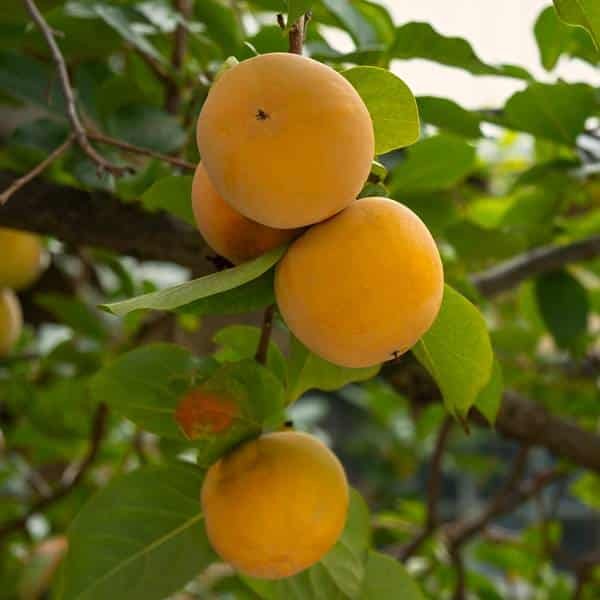
The Tros Oranje apricot tree is a remarkable variety specially adapted to the climates of northern France. This self-fertile variety produces medium-sized fruits with a particularly attractive light orange colour and a very pleasant sweet flavour.
Particularly appreciated for its compact 3-metre vegetation and good resistance to disease, the Tros Oranje is a wise choice for medium-sized gardens. Its ease of cultivation and productivity make it an ideal fruit tree for gardeners looking for a reliable apricot tree.
Characteristics of the fruit
| Feature |
Description |
Benefits |
| Size |
Fairly small, round |
fruits
Ideal for storage and drying |
| Color |
Bright |
light orange
Very attractive and appetizing appearance |
| Flesh |
Firm, sweet and pleasant |
Excellent for all uses |
Tros Oranje apricots are distinguished by their firm flesh which makes them particularly suitable for drying, a rare quality among apricot trees. This characteristic allows for prolonged storage and varied culinary processing.
Planting and location
The Tros Oranje apricot tree requires a sunny or semi-shaded exposure. This variety tolerates less than optimal conditions better than other apricot trees, making it an excellent choice for northern regions.
🌱 Planting period: Autumn (November-December) or spring (March-April), preferably during the vegetative dormancy period
Soil Requirements:
- Well-drained soil, avoid standing water
- Neutral to slightly calcareous pH tolerated
- Enrichment with compost at planting time
- 4-5 meter tree spacing
Although Tros Oranje is self-fertile, you can combine it with the Bergeron Apricot or the Polish Apricot Tree to stagger harvests and improve pollination.
Cultivation and maintenance
🚿 Watering
The Tros Oranje grows and flowers well without too much attention, which is a valuable characteristic of this hardy variety. Moderate but regular watering the first year, then natural resistance to drought once well established.
🌿 Fertilization
Provide a moderate amount of organic fertilizer each spring before flowering. A well-rotted compost or manure at the foot of the tree is enough to maintain its productivity.
✂️ Size
Pruning is always carried out after harvest (end of August/September):
- Create light and space in the branches
- Remove the thin, upright branches (greedy shoots)
- Dare to cut: this tree can be kept very small by pruning
- Possible formation in compact vegetation (3m maximum)
Strength and adaptability
The Tros Oranje is very well adapted to the climates of northern France, an exceptional quality for an apricot tree. Its natural resistance makes it a safe choice for gardeners in less favorable regions.
✅ Strength Strengths:
- Not very susceptible to common apricot diseases
- Good resistance to winter cold
- Adaptation to humid northern climates
- Regular and productive flowering
💡 Tip: Its compact vegetation and hardiness make it a great choice for small gardens and beginner gardeners.
Harvesting and Uses
The Tros Oranje apricots are harvested in August. The fruits are ready when they take on their beautiful light orange color and are easily detached from the tree giving off their sweet fragrance.
🍽️ Versatile uses:
| Usage |
Benefits |
| 🍑 Table |
fruit
Very pleasant sweet flavor |
| 🥧 Pastry |
Firm flesh ideal for pies and cakes |
| 🍯 Jam |
Good cooking resistance |
| ☀️ Drying |
Specialty of this variety |
Advantages of Tros Oranje
🌟 Why choose the Tros Oranje Apricot Tree?
- Exceptional adaptation to northern France : rare in apricot trees
- Compact vegetation : ideal for small spaces (3m maximum)
- Easy to grow : grows without too much attention
- Fruit versatility : fresh, pastry, jam, drying
- Good resistance to diseases : fewer treatments needed
- Autofertile : no need for another strain to fruit
Hardiness: Resistant to winter cold, but flowering sensitive to late frosts (protection recommended if frost is forecast in March-April).
The Tros Oranje is an excellent choice for gardeners in the north of France who want to grow apricots without the usual constraints of Mediterranean varieties. Its ease of cultivation, productivity and quality fruit make it a safe investment for the family orchard.
Our advice in video
Our other apricot trees