Description
Introduction: The Gloster Apple Tree
The Gloster apple tree, a remarkable and prized variety, stands out for its adaptability and generosity in fruit of exceptional quality. Cultivated for its distinctive taste and robustness in the face of climatic hazards, the Gloster appeals to both amateurs and professionals in arboriculture. This guide takes you deep into the unique characteristics of this strain, giving you a comprehensive overview of its strengths, from its late flowering to its resistance to disease. Discover why Gloster Apple is a preferred choice to enrich your orchard or garden, promising bountiful and tasty harvests.
Unique Characteristics of the Gloster Apple Tree
The Gloster Apple Tree is distinguished by a set of characteristics that make it a variety of choice for demanding gardeners and arborists. Adapted to a wide range of climate zones, this apple tree has a remarkable hardiness, able to withstand the harshest weather conditions.
- Exceptional hardiness : Adapted to a variety of growing areas, Gloster is resistant to cold, asserting its vigour even in less clement regions.
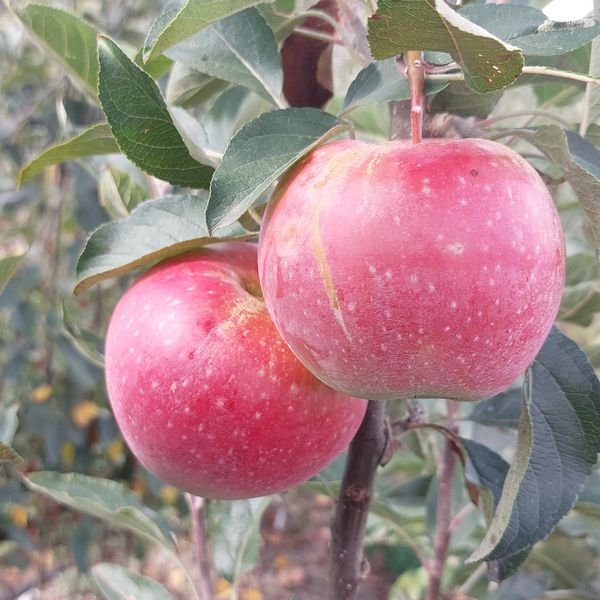
- Easy identification : With its large, dark red apples and late flowering, the Gloster is easily recognized and beautifies the orchard with its presence.
- Detailed description : The fruits of the Gloster, appreciated for their juicy flesh and perfect balance of sugar and acidity, usually ripen in the fall, providing extended shelf life.
- Cultural Adaptation : This apple tree thrives in a wide range of soils, preferring sunny to partial shade locations for optimal fruiting.
The Gloster variety, with its distinctive qualities, promises a rewarding growing experience and bountiful harvests, making it a preferred choice for any orchard project.
Harvesting and Using Gloster Apples
Gloster apples are famous for their succulent taste and versatility in the kitchen. Knowing when and how to harvest and use them is essential to take full advantage of their qualities.
When to harvest
Gloster apples are usually harvested in autumn. Fruit reaches optimal ripeness when it has a deep, uniform colour and is easily detached from the tree.
Conservation
After harvesting, apples can be stored in a cool, dry place for several months. Make sure the apples don’t touch each other to prevent rot.
Ideas for use
- Fresh consumption : Gloster is excellent eaten raw, thanks to its perfect balance between sugar and acidity.
- Cooking : They lend themselves wonderfully to the preparation of pies, compotes, or even incorporated into savory dishes.
- Juices Ciders : Turn Gloster into delicious homemade juices or ciders, capturing the essence of fall in every sip.
Whether you choose to enjoy them fresh or use them in your favorite recipes, Gloster apples promise to delight your taste buds and enrich your table.
Pollination of the Gloster Apple Tree
The successful fruiting of the Gloster apple is largely based on effective pollination. Although this variety is known for its self-fertility, the presence of pollination partners can significantly improve the quality and quantity of the fruit produced.
- Self-fertility : The Gloster can produce fruit without the presence of another apple variety, making it easier to grow in small spaces or mono-varietal orchards.
- Recommended Pollination Partners : To maximize yield, consider planting near compatible varieties like ‘Golden Delicious‘, ‘Reinette Clochard’, or ‘Chanteclerc’.
- Flowering time : Make sure that the strains chosen as pollination partners flower at the same time for optimal efficiency.
By understanding and optimizing the pollination of your Gloster Apple Tree, you ensure an abundance of juicy and flavorful apples for your table.
Planting and Care of the Gloster Apple Tree
Establishing and caring for your Gloster Apple tree is crucial to ensure healthy growth and an abundance of fruit. Follow these practical tips for a successful grow, from planting to regular maintenance of your tree.
Planting
- Site choice : Choose a sunny location, protected from strong winds, with well-drained soil.
- Best time : Planting is best done in autumn or early spring, outside of frost periods.
- Soil preparation : Enrich the soil with mature compost to promote a good start.
For more details, find our article “How to plant a fruit tree?”
Care
- Watering : Keep the soil moist, especially during the first few years and periods of drought.
- Fertilizing : Provide a balanced fertilizer in early spring to stimulate growth and fruiting.
- Pruning : Perform annual maintenance pruning to remove dead or diseased branches and promote good aeration. For more details on how to prune and when to prune your apple tree, please refer to the related articles.
By following these planting and care steps, your Gloster Apple Tree will flourish, providing a bountiful crop of delicious apples for many seasons.
Protection of the Gloster Apple Tree from Diseases
The vigour and productivity of the Gloster apple tree can be threatened by various diseases. Fortunately, with proper preventative measures and treatments, you can ensure the health and longevity of your tree.
Common Diseases
- Scab : Prevent this fungal disease you can use copper treatments in early spring and autumn (sparingly)
- Powdery mildew : Maintain good air circulation around your tree and apply fungicides if necessary.
- Canker : Remove infected parts and disinfect cutting tools to prevent its spread.
Prevention
- Regular inspection : Watch for signs of illness to intervene quickly.
- Cultural maintenance : Proper pruning and removal of plant debris reduces the risk of infection.
- Product selection : Use registered plant protection products, respecting the recommended rates and application periods.
By adopting these practices, you will strengthen the Gloster Apple’s resistance to disease, ensuring an abundance of healthy fruit for the seasons to come.