Pruning fruit trees is an essential practice for any keen gardener and is vitally important for the health and productivity of your trees. In this article, we look at why and how pruning benefits your fruit trees.
Why Is Pruning So Important?
Tree Health and Growth
Disease prevention: by removing dead or diseased branches, you reduce the risk of disease spreading. Pruning also improves air circulation, which limits the development of some diseases.
Better fruiting: pruning lets more sunlight in, which is essential for abundant fruiting. To ensure good fruiting, pruning can also manage the flow of sap and balance the fruit tree as well as possible.
Managing Shape and Size
Appearance and practicality: pruning your trees keeps them in the shape you want and makes care and harvesting easier.
When and How to Prune?
When to prune fruit trees? Finding the Ideal Period
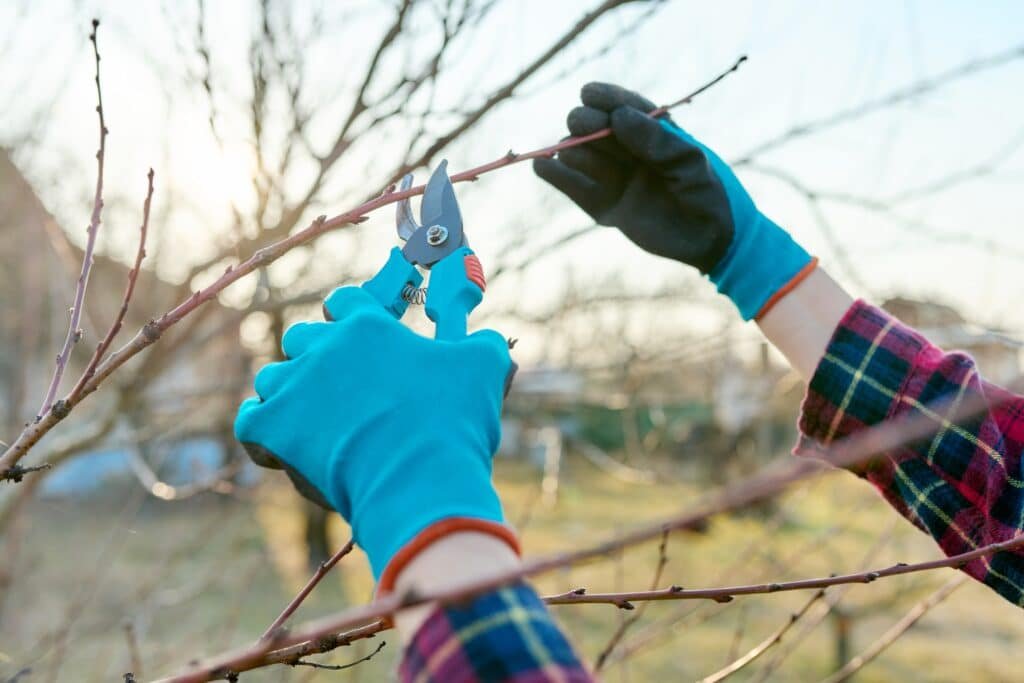
Winter pruning: usually carried out at the end of winter, it prepares the tree for spring.
Summer pruning: carried out during the growing season, it helps manage fruit production and branch growth.
For a complete introduction to planting and caring for your trees, I invite you to read our fruit tree planting guide.
Practical Tips for Effective Pruning
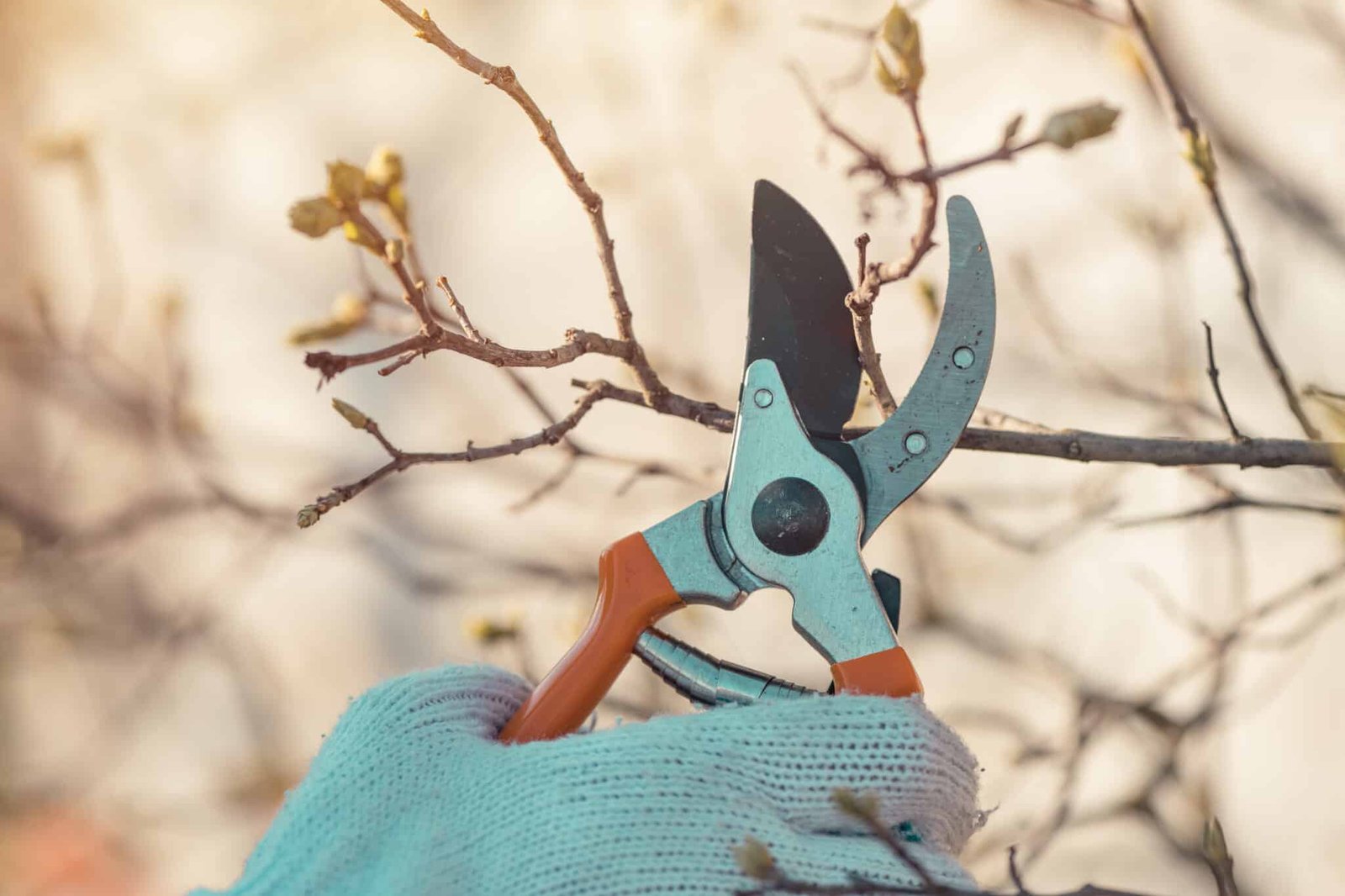
Use suitable tools: sharp and, if possible, disinfected tools are essential for clean, precise cuts.
Know your species: each type of fruit tree has specific pruning needs. It is important to find out about the particular features of each species.
In short, when to prune fruit trees is a question of timing, technique and knowing the specific needs of each species. Pruning is a key step in caring for your fruit trees, and good practice can greatly improve their health and productivity. Stay with us to discover the different pruning techniques and their effects on your fruit trees in more detail.
When to Prune Fruit Trees: Summer Pruning and Its Advantages
Summer pruning is a crucial and often neglected technique that can significantly improve the health and productivity of your fruit trees. In this chapter, we look at the specifics and benefits of this essential practice.
The Basics of Summer Pruning – When to prune fruit trees
What Is Summer Pruning?
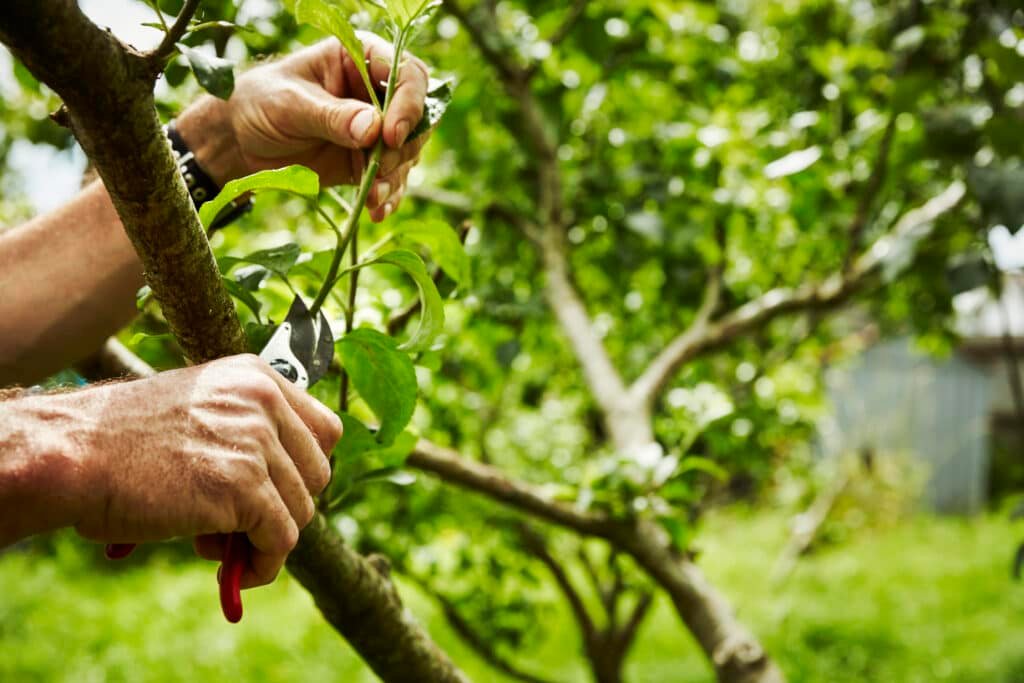
Summer pruning means cutting branches and leaves during the tree’s active growing season, usually in summer.
It is mainly used to control the tree’s growth and to improve the quality and size of the fruit.
When to Do Summer Pruning?
The ideal time for summer pruning is generally early summer, when the trees are in full growth.
Advantages of Summer Pruning – When to prune fruit trees
Better Fruit Quality
More sunlight: summer pruning lets light reach the heart of the tree, which is essential for the fruit to develop.
Less competition: by removing some branches, you reduce competition for nutrients, so that the remaining fruit can develop fully.
Managing Fruit Production
Controlling fruit size: summer pruning helps regulate fruit size by avoiding overcropping, which can lead to smaller, less flavourful fruit.
Disease prevention: by thinning out crowded areas, you reduce the risk of diseases and pests.
To better understand the specific needs of your fruit trees, feel free to visit our section on fruit tree varieties.
Tips for Successful Summer Pruning – When to prune fruit trees
Caution and moderation: it is important not to prune too much in one summer session, so as not to stress the tree. One of the big advantages of summer pruning is that it does not trigger a flush of new wood (water shoots). On the contrary, it tends to weaken the tree slightly.
Restoring an old orchard: when taking over an old orchard, it is worth making the big cuts (with a chainsaw) during summer pruning, always sparingly. This prevents the tree from producing a mass of water shoots.
In short, summer pruning is an important technique which, when done well, can greatly influence the health, productivity and fruit quality of your trees. It is an integral part of fruit tree management and essential for an abundant, high-quality harvest.
When to Prune Fruit Trees: Winter Pruning and Its Effect on the Growth Cycle
Winter pruning is a key moment in fruit tree care. Understanding its phenological impact, that is, its influence on the tree’s biological cycles, is essential for anyone who wants to optimise the health and productivity of their orchard.
Understanding Winter Pruning – When to prune fruit trees
When and Why to Do It?
Ideal period: winter pruning is generally done at the end of winter, just before spring, or during the winter, once the trees have lost all their leaves. Make sure no frost is forecast for a few days after pruning.
Aims: it prepares the tree for the new growing season by removing unnecessary or diseased branches. This is also when formative pruning is carried out.
The Benefits of Winter Pruning
Stimulating growth: pruning encourages new, stronger and healthier branches.
Better fruit production: by removing surplus branches, nutrients are better distributed, which improves the quality and quantity of the fruit.
Training the fruit tree: this pruning shapes the tree so as to encourage fruiting on some branches and vigour (production of wood) on others.
The Phenological Impact of Winter Pruning– When to prune fruit trees
Influence on Growth Cycles
Winter pruning directly influences the tree’s growth rhythm, encouraging abundant, well-synchronised flowering and fruiting.
Disease Prevention
By opening up the tree and removing potentially diseased parts, this pruning reduces the risk of diseases and pests, ensuring better overall tree health.
Appropriate techniques: it is crucial to use the right pruning techniques so as not to damage the tree. Pruning too hard can prevent fruiting.
Sharp tools: well-sharpened tools ensure clean, precise cuts, which are essential for the tree to heal quickly.
In short, winter pruning of fruit trees plays a major role in their life cycle. It prepares the trees for the coming season and ensures abundant, high-quality fruiting. A good understanding and application of this practice is fundamental for any gardener who wants to get the most from their orchard.
Pruning Techniques for Soft-Fruit Bushes and Their Phenological Impact
Pruning soft-fruit bushes is an essential step for an abundant, high-quality harvest. Done correctly, it has a positive influence on the life cycle of these plants. Let’s look at how to do it and at its phenological impact.
Basic Principles of Pruning Soft-Fruit Bushes– When to prune fruit trees
When and How to Prune?
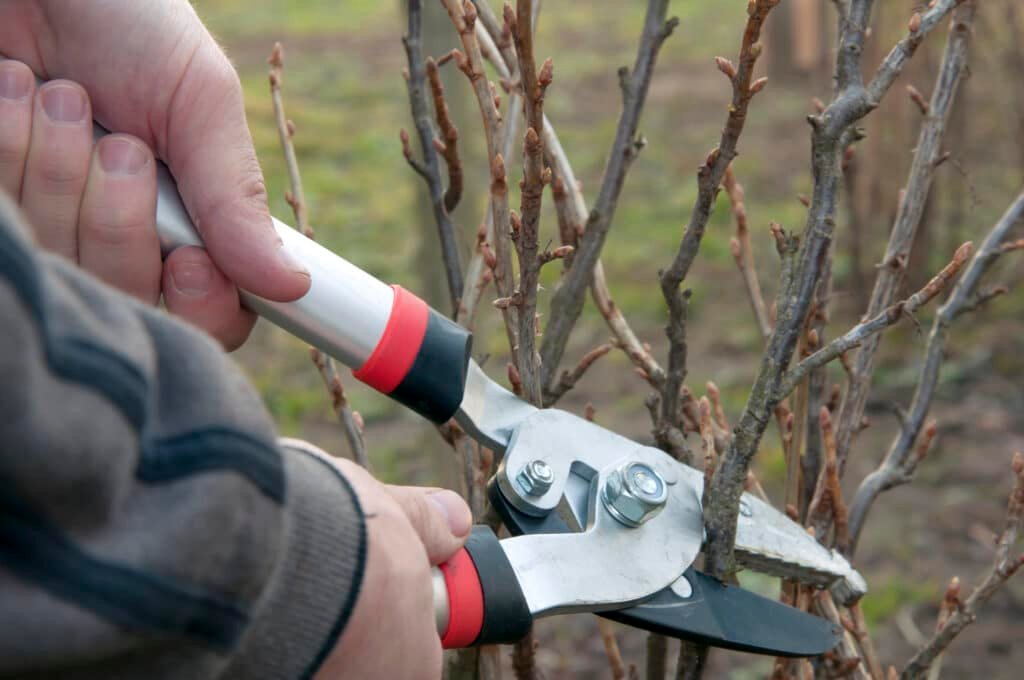
Ideal period: pruning is generally done at the end of winter or early spring, before active growth begins.
Aim: remove old wood and encourage new shoots that will bear fruit.
The Different Types of Bushes
Pruning techniques vary with the type of bush (currants, raspberries, etc.) and the way it grows. In most cases, removing dead wood and opening up the bush is quite enough.
The Phenological Impact of Pruning on Bushes– When to prune fruit trees
Influence on Growth and Fruiting
Stimulating new shoots: pruning encourages young, vigorous shoots that bear fruit.
Better fruit quality: by opening up the bush and reducing competition for nutrients, pruning improves the size and taste of the fruit.
To find out more about soft-fruit varieties and their care, discover our collection in the Berries category.
Tips for Effective Pruning
Choosing branches: identify the branches to prune, generally those more than two years old.
Pruning tools: use well-sharpened tools for clean, precise cuts.
In short, pruning soft-fruit bushes is an essential technique for good productivity and fruit quality. Applied with care and knowledge, it has a positive impact on the life cycle of these plants and ensures an abundant, flavourful harvest.
Conclusion and Recommendations for Pruning in Harmony with Phenology
We have looked at the different types of pruning for fruit trees and soft-fruit bushes and highlighted their importance for healthy, productive growing. In conclusion, it is essential to take phenology into account, that is, the calendar of the plants’ biological cycles, to optimise these practices and know when to prune fruit trees.
Summary of Key Points
The Importance of Pruning
Plant health: appropriate pruning prevents disease and encourages robust growth.
Harvest quality: pruning directly influences the size and quality of the fruit.
Respecting the Phenological Cycle
Each type of pruning should be carried out in line with the plant’s natural cycle to maximise its effectiveness and minimise stress for the tree.
Final Recommendations for Effective Pruning
Planning: plan your pruning sessions according to the specific needs of each species, its life cycle and the climate (especially for winter pruning).
Gentle practices: avoid overly severe pruning, which can weaken plants.
Suitable equipment: always use well-maintained, disinfected pruning tools for clean, precise cuts.
For more information on choosing and caring for your fruit trees, explore our Advice section for further tips.
All in all, pruning fruit trees and soft-fruit bushes is a fundamental part of their care. By respecting each plant’s natural cycles and applying the right techniques, you will help not only the health of your plants but also the abundance and quality of your harvests.