

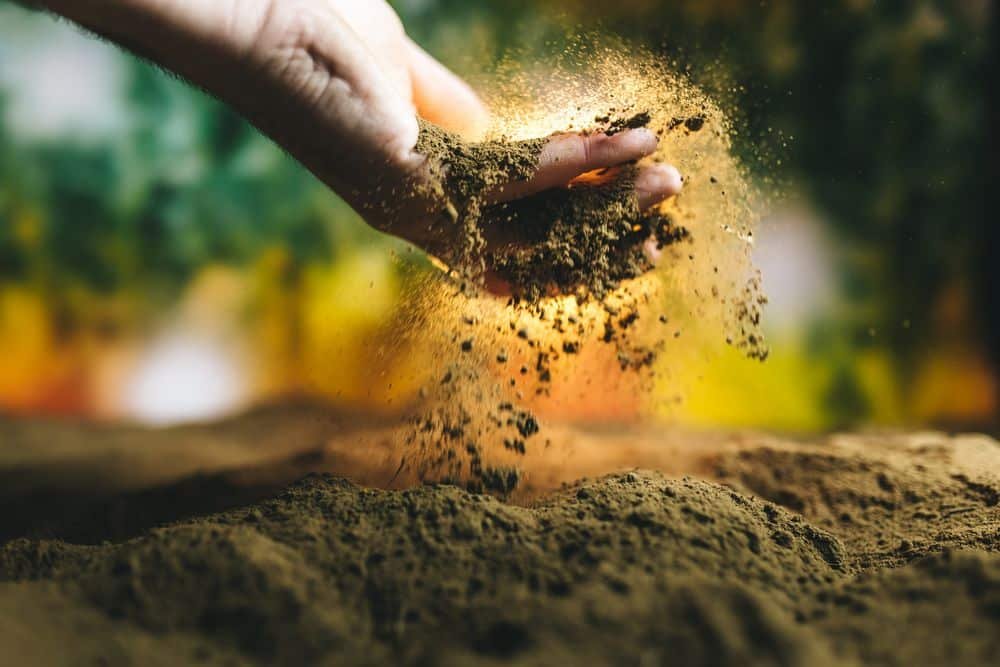
Fruit tree fertilization is a crucial aspect of arboriculture, playing a key role in the health and productivity of your orchard. A well-chosen fruit tree fertilizer provides the essential nutrients that stimulate vigorous tree growth, promote abundant flowering and ensure optimal fruit production. Whether you’re growing apple, pear, or cherry trees, the right fertilization strategy can significantly improve your fruit yield and quality. By understanding the specific needs of your trees and choosing the right fertilizers, you are laying the foundation for a thriving and productive orchard.
Good fertilization not only promotes tree growth, but also the formation of beautiful flowers, which are essential for abundant fruiting. The quality of the soil is a key factor for proper nutrient absorption.
Fruit trees need:
Beware of deficiencies: Yellowing of leaves, low production.
Learn more about nutrient requirements→
Three main types:
Recommendation: Favor organic for a lasting improvement of the soil.
Discover the different types of fertilizers→
Key periods:
Adapt according to the age and size of the tree.
Method: Apply around the tree, avoid contact with the trunk.
Dosage: 100-200g/m² of the crown per year, in 2-3 times.
Young trees: Reduce the doses by half.
Precise application techniques and dosages→
Natural Options:
Advantage: Improves overall soil health.
Explore organic fertilization methods →
To determine the best fertilizer for fruit trees, it is essential to compare the different options available. Here is a comparison table of the main types of fertilizers:
| Type of fertilizer | Benefits | Cons | Efficiency | Sustainability |
|---|---|---|---|---|
| Organic | Improves soil structure, slow release of nutrients | Slower | Medium to long-term | Highly durable |
| Mineral | Fast Action, Precise | Can wash out quickly | Fast | Moderately durable |
| Chemical | Very effective in the short term, specific | Risk of over-fertilization, environmental | Very fast | Not very durable |
After analysis, the best fruit tree fertilizer turns out to be an organic fertilizer rich in NPK, which is particularly suitable for the specific needs of fruit trees. These fertilizers, like those used for apple or pear trees, offer an optimal balance between efficiency and durability. They nourish the tree while improving the quality of the soil in the long term. For optimal results, choose an organic fertilizer with a balanced NPK ratio, such as 4-6-8 or 5-5-5, which will promote healthy growth, abundant flowering, and generous fruiting of your fruit trees.
It is important to note that some fertilizers are also beneficial for fruit-bearing shrubs , such as currants or raspberries. Potash plays a crucial role in fruit formation, regardless of the type of fruit tree.
To optimize the growth and production of your fruit trees, it is crucial to understand the different types of fruit fertilizers available. Here’s a detailed list of the main options:
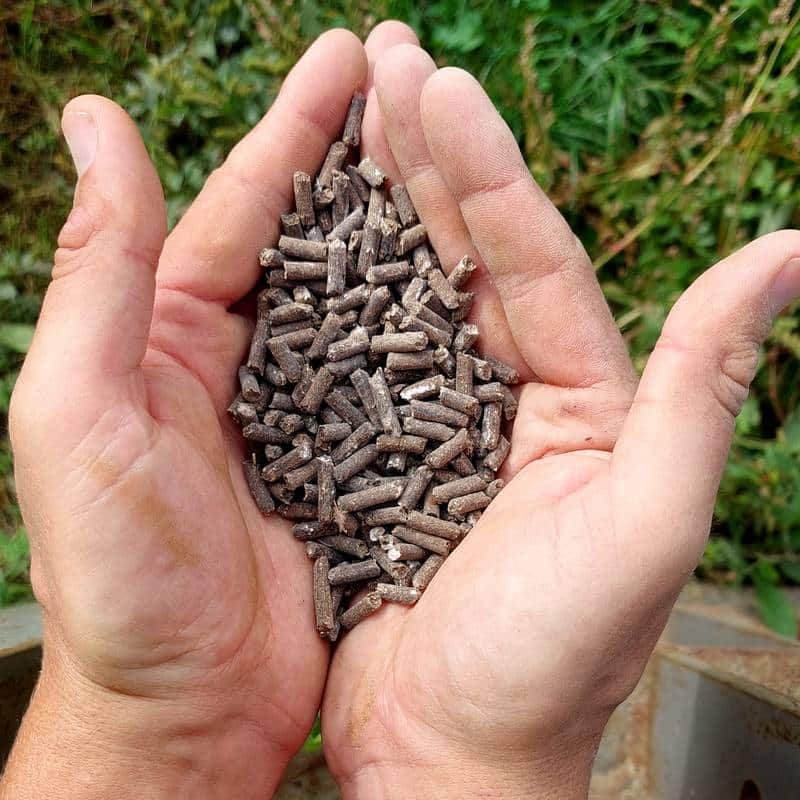
When planting new fruit trees or shrubs , it is essential to prepare the soil well with a suitable fertilizer to promote good root development. A balanced supply of nutrients from the beginning ensures better growth and more abundant flower production in the coming seasons.
The fertilization period of fruit trees is crucial for their health and productivity. Here is a detailed schedule for when to fertilize fruit trees :
| Period | Action | Type of fertilizer | Affected trees |
|---|---|---|---|
| Late winter (February-March) | Awakening | Nitrogen-rich | All fruit trees |
| Spring (April-May) | Fertilization | NPK | Apple, pear, cherry |
| Early summer (June) | Fertilization | Potassium-rich | Plums, Peach Trees |
| Late summer (August) | Maturation | Low-nitrogen | Late-fruiting trees |
| Autumn (October-November) | fertilization | Compost or organic | All fruit trees |
For specific fruit trees like apricots or almond trees, adjust this schedule to suit their particular growth cycle. Remember that fertilization should always be adapted to the age of the tree, its state of health and the local climatic conditions.
The planting period is also a key time for fertilisers. A good start ensures better growth and more abundant flowering. Small-fruited shrubs , such as blueberries, particularly benefit from a supply of potash in the spring to promote flower formation.
To optimize the growth and production of your fruit trees, it is crucial to master the fertilization technique. Here is a step-by-step guide to applying fertilizer to fruit trees effectively:
Note: For young trees, allow about 1m² of area to be fertilized until their third year (called third leaves)
For fruit shrubs , adapt the application area to their smaller size. Make sure the fertilizer is mixed well with the soil for better absorption. A good supply of nutrients promotes abundant flowering, with vigorous flowers that will yield beautiful fruit. When planting, paying close attention to the initial fertilization will help your young plants establish themselves solidly.
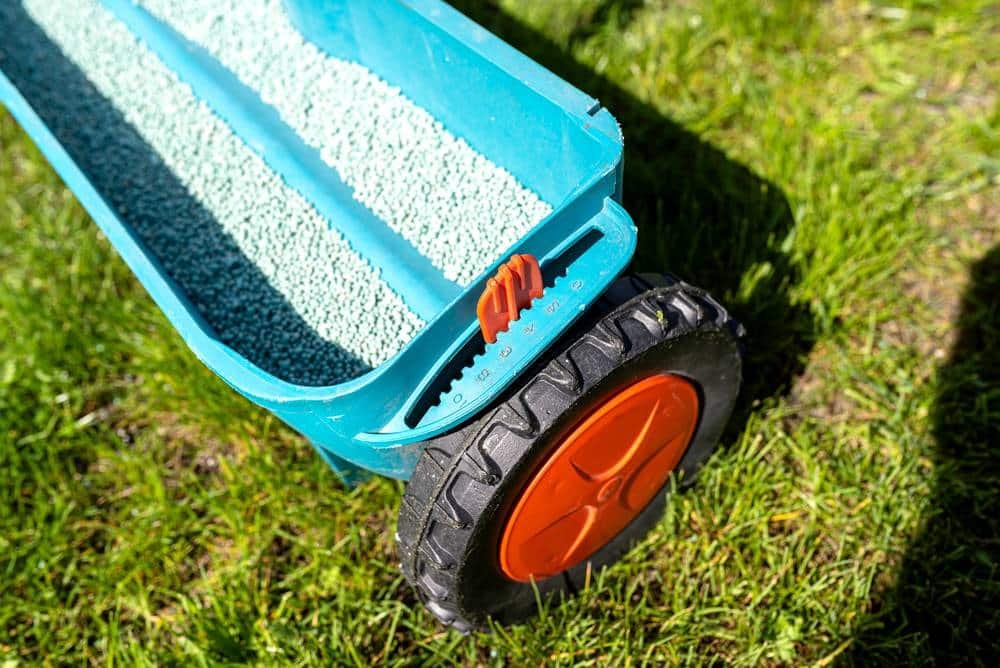
The nutrient requirements of fruit trees are essential to ensure healthy growth and optimal fruit production. Each element of NPK for fruit trees and trace elements play a crucial role in the development of the tree. Here is an explanatory table of the main nutrients and their importance:
| Nutrients | Role | Signs of deficiency | Trees particularly in demand |
|---|---|---|---|
| Nitrogen (N) | Leaf and stem | Yellowish leaves, stunted | Apple trees, pear trees |
| Phosphorus (P) | Root development and flowering | Purplish leaves, low flowering | Peach, Apricot |
| Potassium (K) | Fruit quality and resistance | Burnt leaf margins, small | Plums, Cherries |
| Calcium | Cell structure, fruit | Blossom end rot of fruit | Apple trees, pear trees |
| Magnesium | Photosynthesis, metabolism | Yellowing between the veins | Persimmons, Citrus |
| Iron | Chlorophyll | Chlorosis (yellowing of the leaves) | Peach, Williams Pear Trees |
A good understanding of these nutrient needs will allow you to tailor your fertilization strategy for each type of fruit tree in your orchard, ensuring optimal growth and a bountiful harvest.
Potash is especially important for fruit quality and overall tree strength. It also plays a crucial role in flower formation, which is essential for proper fruiting. For fruit shrubs such as currants or raspberries, a balanced supply of nutrients from planting in well-prepared soil is the key to a generous production.
Each type of fruit tree has specific nutritional needs. Here are specific fertilizer recommendations for fruit trees adapted to each species:
By adapting the specific fertilizer to each type of fruit tree, you will optimize the growth, health and production of your trees. Keep in mind that needs may vary depending on the stage of development. For example, at planting time and during the first year, young fruit trees and shrubs will benefit from a phosphorus-rich fertilizer to stimulate root development. A balanced supply of potash will promote the formation of robust flowers , which are essential for good fruiting. The quality of the soil also plays a crucial role in the effectiveness of fertilization, so make sure to prepare it well before planting.
Proper dosing of fruit fertilizers and proper fertilization frequency are essential for the health and productivity of your trees. Here’s a step-by-step guide to help you optimize your fertilization strategy:
| Tree | Annual | Frequency | Period of application |
|---|---|---|---|
| Apple and pear trees | 100-200g/m² from the crown | 2-3 times a year | Spring and late summer |
| Plum and Cherry Trees | 80-150g/m² from the crown | 2 times a year | Early spring and after harvest |
| Peach and Apricot | 120-250g/m² from the crown | 3 times a year | Spring, early summer, autumn |
| Citrus | 150-300g/m² of crown | 3-4 times a year | Spring, summer, early autumn |
For young trees, such as Golden Delicious or Conference pears, reduce the doses by half in the first year and gradually increase to the adult dose over 3-4 years. A well-planned annual application ensures balanced growth and optimal fruit production.
For fruit shrubs , the dosage can be adjusted downwards. An application of around 50-100g/m² of the root zone is usually sufficient. The quality of the soil plays an important role in the effectiveness of fertilization. Properly prepared soil from planting will facilitate nutrient absorption and promote healthy growth, with abundant flower and fruit production. Don’t forget the importance of potash for generous fruiting and tasty fruit.
For environmentally conscious gardeners, here is a list of natural fruit tree fertilizers and organic fruit tree fertilization methods:
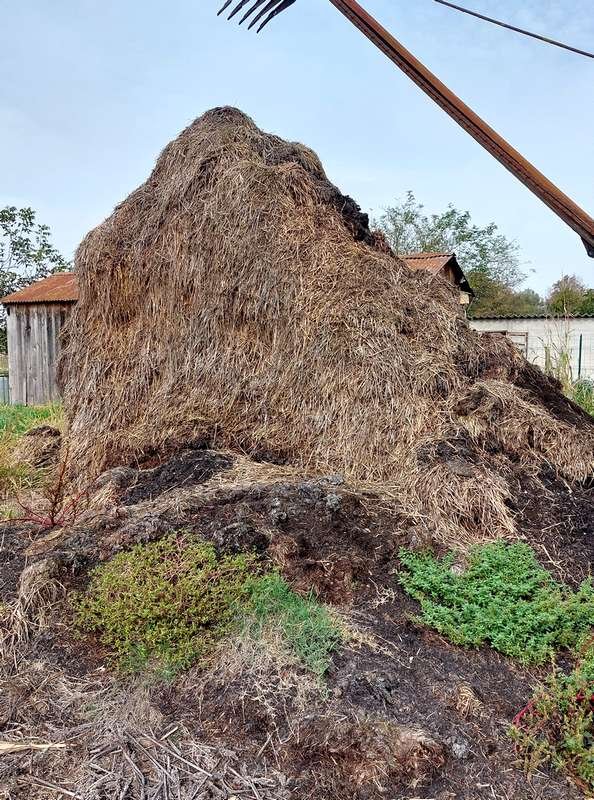
These natural methods not only nourish your fruit trees but also improve the overall health of your soil, promoting sustainable growth and quality fruit production, while respecting the environment.
Using wood ash as a natural fertilizer is a great source of potash for your fruit trees and shrubs . Apply them moderately around your plants in the spring, incorporating them lightly into the soil. This method is particularly beneficial for stimulating flower production and improving fruit quality. When planting new trees or shrubs, consider enriching the soil with a mixture of compost and well-rotted manure to give your plants the best possible start.
Optimal fertilization of fruit trees is a key element in ensuring tree health and a bountiful harvest. By understanding the specific needs of each species, whether apple, pear or cherry trees, and by taking a balanced approach between organic and mineral fertilizers, you can significantly improve the productivity of your orchard. The key lies in the regularity and adaptation of your practices to the specific conditions of your garden.
By applying these fertilization principles, you will not only promote the health of your trees, but also that of your fruit shrubs. Paying close attention to the quality of the soil and the supply of potash will promote abundant flowering, with beautiful flowers that will turn into delicious fruits. The care taken from planting is also one of the keys to a prosperous and productive orchard.
Ready to turn your orchard into a fruit paradise? Start practicing these fertilization tips now and see the difference in the vigor of your trees and the quality of your fruit. For an optimal start, explore our selection of fruit trees and give them the best possible start with the right fertilization. Your garden will thank you with generous and tasty harvests!