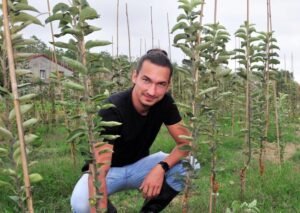

Choosing among the best hazelnut varieties is essential for the success of your planting project. As specialized producers for several years, we have selected and cultivated the most efficient varieties such as the Merveille de Bollwiller and the Cosford. From the abundant production of Fertile de Coutard to the elegance of Juningia, discover our guide to selecting the hazelnut tree (Corylus Avellana) that will flourish in your garden. Hardy and adaptable, these shrubs can grow up to 5 to 7 meters tall and will offer you a generous harvest of hazelnuts from September to November, while bringing an ornamental touch to your outdoor area with their beautiful winter catkins.
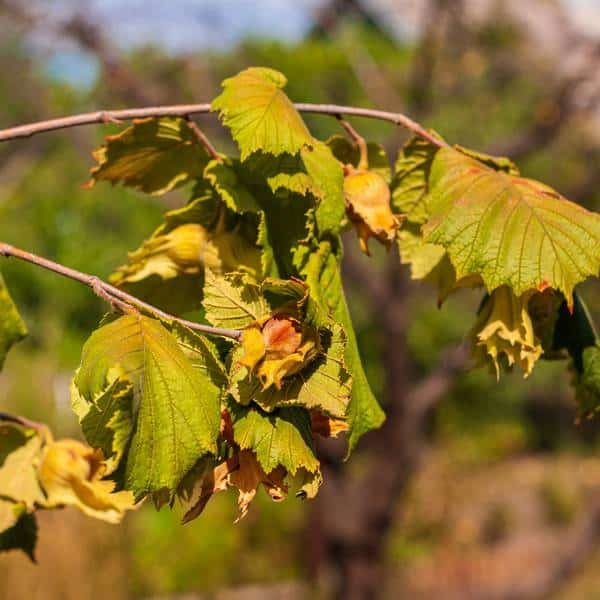
Selecting the right variety of hazelnut (Corylus Avellana) is crucial to ensure satisfactory production and optimal adaptation to your environment. We have identified the essential criteria to guide you in your choice.
| Criterion | Point of attention | Impact |
|---|---|---|
| Climate | Hardiness down to -34.5°C | Winter survival and production |
| Exhibition | Partial shade to full sun | Growth and fruiting |
| Soil | Drained and fresh | Root development |
| Available | 3 to 7 meters high | Integration into the garden |
For optimal production, choose productive varieties such as the Fertile de Coutard, known for its regularity of the fruit and its high yield. If your garden is prone to disease, opt for naturally hardy species like Cosford.
To help you make the best choice, we have selected the four most productive and reliable hazelnut varieties in our nursery. Each variety has been tested and evaluated according to rigorous criteria of production, hardiness and adaptation to the terroir.
| Variety | Production | Harvest period and hardiness |
|---|---|---|
| 1. Merveille de Bollwiller | ⭐⭐⭐⭐⭐ | Mid-August to September Hardy to -30°C |
| 2. Fertile de Coutard | ⭐⭐⭐⭐⭐ | End of August Hardy to -25°C |
| 3. Cosford | ⭐⭐⭐⭐ | September to November Hardy to -30°C |
| 4. Juningia | ⭐⭐⭐⭐ | August to September Hardy to -34.5°C |
These varieties are distinguished by their regularity of production and their excellent adaptation to the climates in France. Each has unique characteristics that meet specific needs, whether for early or late production, or for dual ornamental and productive use.
Producer’s tip: To maximize your production, we recommend planting at least two compatible fruit trees. This allows for optimal pollination and spreads out the harvest period.
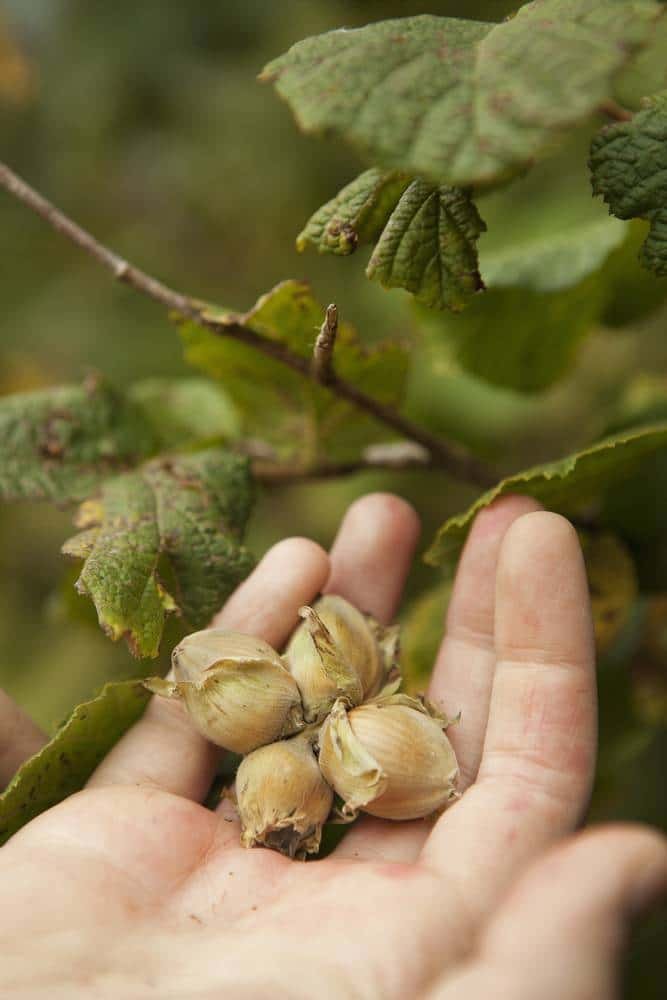
| Key features | |
|---|---|
| Flowering | March-April |
| Harvesting | Mid-August to September |
| Hardiness | Up to -30°C |
| Production | Early and regular |
Growing advice: To optimize production, combine the Merveille de Bollwiller with the Cosford or the Fertile de Coutard. Its late flowering protects it from spring frosts, ensuring regular production even in harsh climates.
| Key features | |
|---|---|
| Production | Early (from the end of August) |
| Fruit | Large, round fruits |
| Flavour | Highly fragrant |
| Vigor | Excellent |
Producer’s tip: To maximize its potential, plant Fertile de Coutard in a sunny position and maintain constant soil moisture during the fruit formation period.
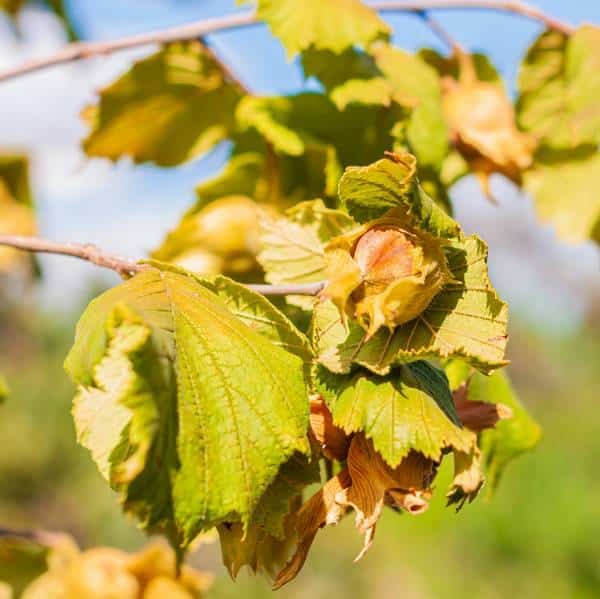
| Technical characteristics | |
|---|---|
| Flowering | February-March |
| Harvesting | September to November |
| Hardiness | Up to -30°C |
| Height at maturity | 5 meters |
| Width at maturity | 3 meters |
Producer’s tip: For optimal pollination, combine Cosford with Merveille de Bollwiller. Its late production allows you to extend the harvest period of your orchard and enjoy fresh hazelnuts until November. 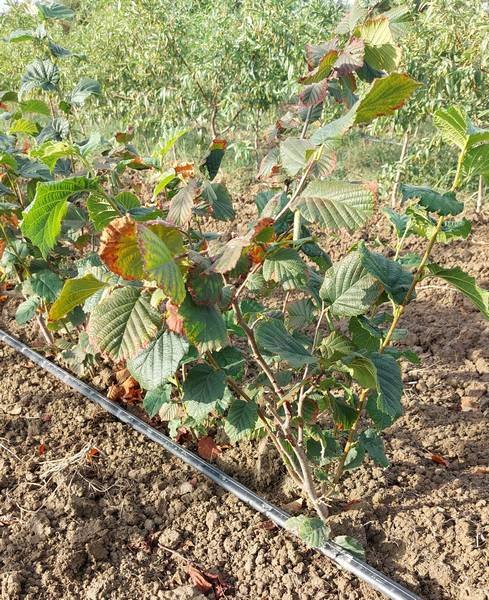
| Technical characteristics | |
|---|---|
| Height at maturity | 5 meters |
| Width | 3 meters |
| Hardiness | Up to -34.5°C |
| Soil | All soils, even limestone |
Planning advice: Ideal at the bottom of a bed or in a country hedge, combine the Juningia with the Merveille de Bollwiller to optimise pollination and create a spectacular contrast of foliage.
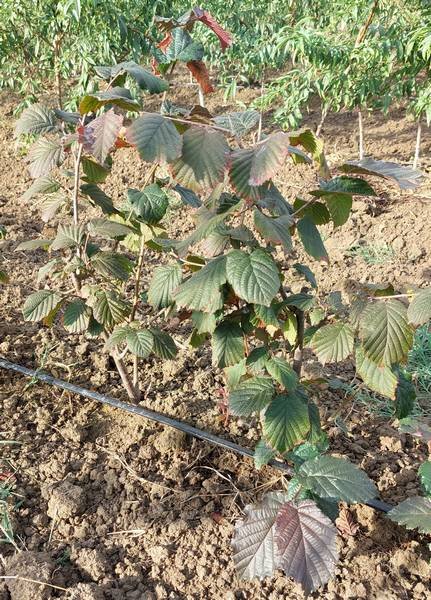
The success of your hazelnut plantation is based on a few essential practices. Whether you have chosen the Merveille de Bollwiller or the Cosford, we will try to give you the keys to guarantee optimal growth and abundant harvests.
| Period | Action |
|---|---|
| Winter | Formation pruning and pruning of excess branches |
| Spring | Sucker suppression and fertilization |
| Summer | Regular watering during dry periods |
| Autumn | Harvesting and cleaning the base of the tree |
Expert advice: To promote good pollination, plant at least two different varieties such as Juningia and Fertile de Coutard. The production of hazelnuts will be all the better.
Planting is a crucial step that will determine the vigour and future productivity of your hazelnut tree, whether it is the Merveille de Bollwiller or the Cosford.
Producer’s tip: For a better recovery and to stay organic, add an organic fertilizer at the time of planting. This will promote root development and ensure vigorous growth from the first year.
Regular maintenance is necessary to maintain the vigour and productivity of your hazelnut trees. Here is our schedule to optimize the growth and production of your trees.
| Season | Interventions | Objectives |
|---|---|---|
| Winter (December-February) | – Structure pruning – Removal of dead wood- Brightening of the center |
Promote light penetration |
| Spring (March-May) | – Removal of suckers – Organic fertilization- Mulching of the foot |
Stimulate growth |
| Summer (June-August) | – Watering in dry periods- Monitoring of pests – Maintenance of mulching |
Ensure fruit development |
| Fall (September-November) | – Harvesting hazelnuts – Cleaning the vine – Preparing for winter |
Preparing for the next season |
Producer’s tip: To maximize production, focus your pruning on branches that are more than three years old, as it is the two-year-old twigs that bear fruit.
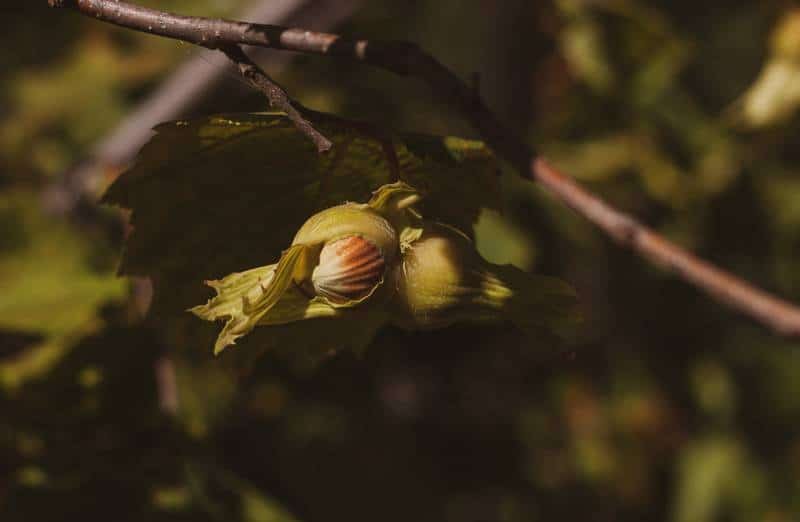
Harvesting and storing hazelnuts is a crucial step in getting the most out of your production. Each variety, from the early Bollwiller Wonder to the late Cosford , requires special attention for an optimal harvest.
| Method | Retention | Conditions |
|---|---|---|
| In shell | 6-8 months | Cool and dry room (12-15°C) |
| Shelled | 3-4 months | Cool airtight jar |
Producer’s tip: To check if your hazelnuts are dry, shake them: they should make a characteristic noise. Absolutely avoid storage in a damp place that would encourage the development of mold.
Find answers to the most frequently asked questions about growing and caring for hazelnut trees, based on our experience as a grower.
The ideal period is between November and mid-February, excluding frost. This autumn or winter planting allows good root development before the vegetative resumption in spring.
Yes, it is necessary to plant at least two different varieties to ensure good pollination. For example, combine Coutard’s Fertile with Cosford for optimal production.
The first fruits usually appear from the 4th year of planting. Production becomes significant around the 6-8th year and reaches its maximum after 10 years.
To limit the damage of the barnacle, choose resistant varieties such as the Cosford, regularly collect fallen fruit and install pheromone traps in the spring.
Hazelnut trees are very hardy. Juningia can withstand temperatures down to -34.5°C. Only early flowering can sometimes be affected by late frosts.
Systematically eliminate suckers as soon as they appear in the spring. A clean spade at their base, at ground level, is enough to remove them without damaging the main root system.
Producer’s note: Our teams are at your disposal to answer all your specific questions about hazelnut cultivation. Do not hesitate to contact us for personal advice.
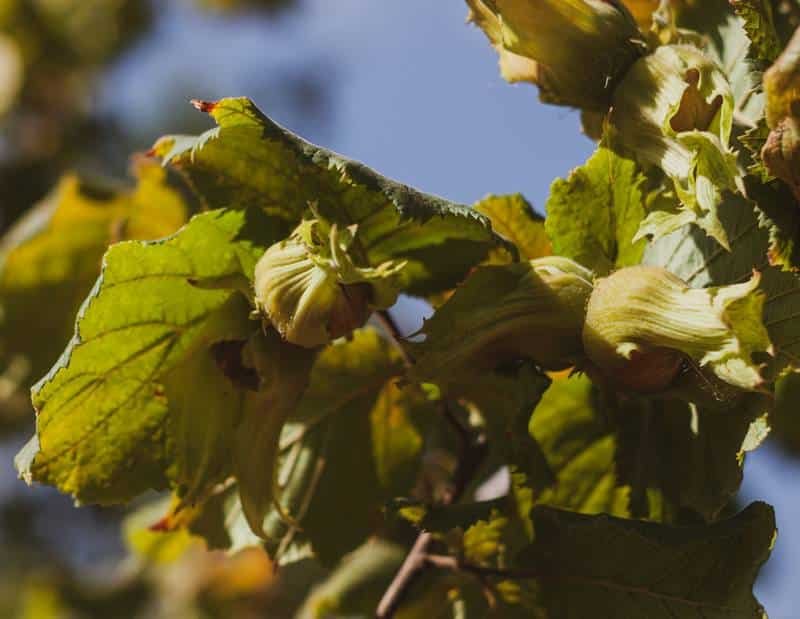
Choosing the right hazelnut variety is the key to successful and sustainable production. The four varieties we have selected – the Merveille de Bollwiller, the Cosford, the Fertile de Coutard and the Juningia – represent the best compromise between productivity, hardiness and ease of maintenance. For optimal production, don’t forget to combine at least two complementary varieties.
For your project:
Do you have any questions about our hazelnut varieties (Corylus Avellana)? We are at your disposal to guide you in your choice.
Contact us
All our hazelnut trees are guaranteed and produced locally in our nursery.