Description
Bredase Apricot
The Bredase Apricot Tree, also known as “Dutch Apricot”, “Aveline” or “Pineapple”, is a very old Dutch variety known for its exceptional processing qualities. This historic variety, mentioned as early as 1841 in the Pomologia Britanica, has survived the centuries thanks to its robustness and unique characteristics.
Particularly appreciated for its firm flesh with an excellent taste, this variety stands out for its perfect adaptation to the northern European climate. Its slow but steady growth and good winter hardiness make it a wise choice for patient gardeners looking for quality.
Heritage characteristics of the fruit
| Feature |
Description |
Legacy |
| Size |
Medium, round |
fruit
Traditional Dutch format |
| Color |
Orange with brown |
spots
Authentic rustic look |
| Flesh |
Firm, sappige and sweet |
Perfect texture for preserves |
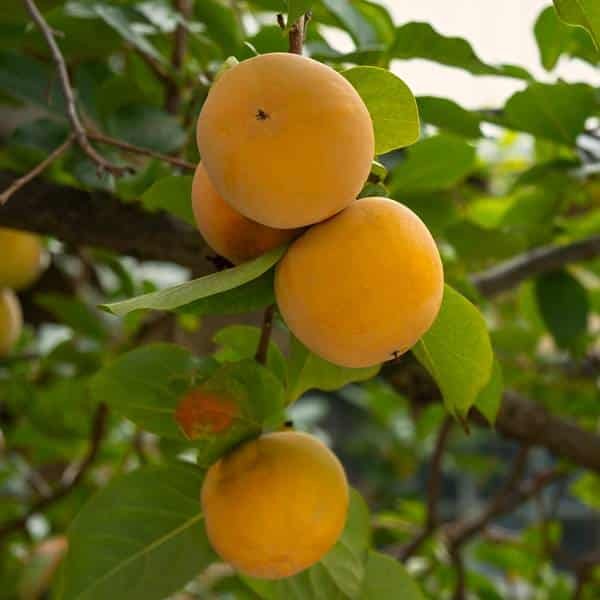
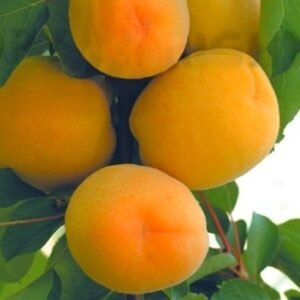
Bredase apricots have a smooth, orange-coloured skin with characteristic spots, a distinctive sign of this ancient variety. The golden-yellow flesh offers an excellent slightly fragrant flavour, more suitable for processing than for direct fresh consumption.
Planting and climate adaptation
The Bredase apricot tree shows an excellent adaptation to northern climates, a legacy of its Dutch origins. However, it requires a very warm and sunny location, ideally against a south-facing wall to benefit from maximum heat.
🌱 Planting period: Autumn (November-December) or spring (March-April), depending on local climatic conditions
Specific requirements:
- Very warm and sunny pitch mandatory
- Well-drained, rich and slightly calcareous soil
- Protection from cold northern winds
- South-facing wall recommended for heat storage
- Can be grown in pots for very cold regions
Although Bredase is self-fertile, you can combine it with the Bergeron Apricot or the Nancy Peach Apricot to improve pollination and stagger the harvest.
Cultivation and growth characteristics of the Bredase Apricot tree
🌱 Growth and development
Bredase has a slow but steady growth, characteristic of robust old varieties. This moderate growth allows for better rooting and increased longevity of the tree.
🚿 Watering and care
Moderate but regular watering, particularly important during the first years of establishment. Once established, the tree shows good resistance to temporary drought.
✂️ Pruning and training
Pruning is carried out sparingly, after the harvest at the end of summer :
- Training in a cup or counter wall bars
- Pruning to clean dead or diseased branches
- Moderate thinning to promote airflow
- Respect for the natural shape of the tree
Exceptional strength and hardiness
Bredase has excellent winter resistance, a quality inherited from its Nordic origins. This ancient variety has developed over the centuries a remarkable adaptation to difficult conditions.
✅ Strength Strengths:
- Very good resistance to winter cold : Nordic adaptation
- Semi-late flowering : avoids early spring frosts
- Natural resistance to common diseases
- Tolerance to wet conditions (Dutch origins)
- Remarkable longevity of well-established trees
💡 Heritage advice: This variety represents a precious genetic heritage, witness to the centuries-old adaptation to northern European climates.
Harvesting and traditional uses
The Bredase harvest takes place from July to August depending on the weather conditions. The fruits are ready when they take on their characteristic orange color with the brown spots typical of the variety.
🍽️ Heritage Uses:
| Traditional |
use
Quality |
Legacy |
| 🍯 Jams |
Firm flesh, perfect |
texture
Traditional Dutch recipes |
| 🥧 Pastry |
Excellent resistance to cooking |
Period pies and desserts |
| 🥫 Canned goods |
Firmness and flavour preserved |
Ancient preservation methods |
| 🍹 Syrups |
Concentrated and fragrant |
aroma
Royal Orchard Tradition |
Heritage and historical value
🏛️ A variety steeped in history:
- Very old Dutch variety : valuable genetic heritage
- Mentioned since 1841 : long tradition of cultivation
- Multiple nicknames : “Apricot of Holland”, “Aveline”, “Pineapple”
- Unique Nordic adaptation : rare in apricots
- Legendary processing quality : “excellent” according to Pomologia Britanica
- Self-fertile and productive : autonomy and regularity
- Proven resistance : survival through the centuries
Hardiness: Very good resistance to winter cold (-15°C to -20°C). Slow but robust growth, exceptional longevity.
The Bredase represents an authentic European fruit heritage. This historic variety offers lovers of ancient fruits the opportunity to carry on a centuries-old tradition, while benefiting from a unique climatic adaptation for an apricot tree. Its specialization in processing makes it a perfect choice for gourmet gardeners wishing to make their own traditional preserves.
Our advice in video
Our other apricot trees