Description
Pear Tree Lemon
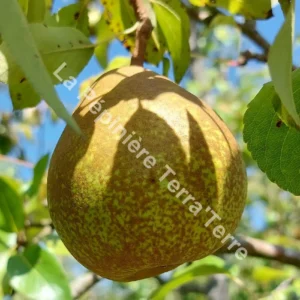
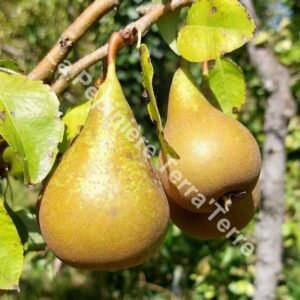
The Lemon Pear Tree is an old variety native to the Landes that takes its name from its characteristic shape reminiscent of a lemon, narrowed at both ends. This table pear is distinguished by its unique fragrance sometimes reminiscent of quince, sometimes lemon depending on the palate.
This traditional variety from the South-West offers medium to large fruit with a green skin that evolves into a beautiful straw yellow when ripe. The harvest takes place from the third week of August for optimal consumption in mid-September.
Characteristics of the fruit
The pears of the Lemon Pear tree have a white and fine flesh, remarkably melting, very sweet and juicy. Their distinctive fragrance makes them a popular variety for both fresh consumption and culinary preparations.
These versatile fruits are perfect for fresh tasting, but also for making preserves, compotes and other cooked preparations, thus offering great versatility in the kitchen.
Tree Features
The Lemon Pear tree is characterized by a tree of medium vigour, fertile and not very branched, recognizable by its light wood. Its very early flowering makes it one of the first pear trees to bloom in spring.
This variety has a fast fruit set and offers a satisfactory productivity. The tree shows good resistance to diseases, especially scab, which makes it easier to grow.
Cultivation and maintenance
The Lemon Pear tree adapts well to temperate climates and appreciates a sunny to semi-shaded exposure. Its very early flowering requires special attention to late frosts that could compromise fruiting.
To optimize pollination, combine it with the Giffard Buttered Pear or the Williams Yellow Pear, which have compatible flowering periods. The Marguerite Marillat pear tree is also an excellent pollinator.
Well-drained soil and regular maintenance pruning will promote abundant and quality production. This hardy variety adapts particularly well to the climate of the South-West where it originates.
Our advice in video
Our other pear trees