Description
Tayberry: The Perfect Combination of Blackberry and Raspberry
The Tayberry is an exceptional hybrid resulting from the cross between a blackberry and a raspberry. This small fruit is appreciated for its unique flavor, combining the sweetness of raspberry and the subtle acidity of blackberry. Grown for its productivity and hardiness, the Tayberry is an ideal choice for avid gardeners looking to add a fruity touch to their orchard.
Characteristics of the fruit
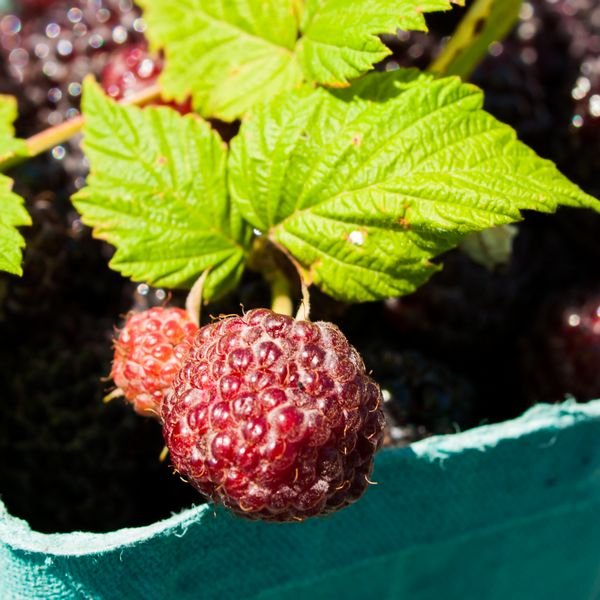
The fruits of the Tayberry are long, up to 5 cm, with an intense purple-red color. They are particularly juicy and sweet, with a hint of acidity that enhances their flavor. These berries are perfect to be eaten fresh, but also lend themselves very well to making jams, jellies, and desserts.
Growing conditions
The Tayberry is a vine plant that can reach up to 2 meters in height. It requires a support to train its long, thorny stems. It is hardy down to -7°C, making it suitable for temperate climates. The Tayberry prefers full sun exposure and thrives in any type of soil, well drained and slightly calcareous.
Planting and maintenance
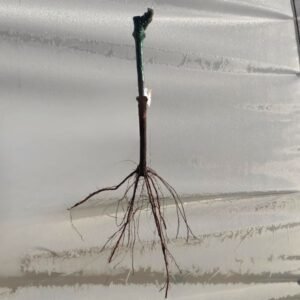
Plant the Tayberry in autumn or spring, outside of frost periods. Dig a hole of 30 x 30 cm, place the root ball and cover with potting soil. Be sure to water regularly during the first year to promote good rooting. Pruning is done in autumn or late winter, removing old wood that has already fruited.
Culinary Use
The fruits of the Tayberry are perfect for fresh consumption or to be made into jams, jellies, or pies. Their sweet-tart flavour brings a touch of freshness to your desserts, and their beautiful red colour brings an aesthetic note to all your culinary preparations.
Storage tips
Tayberries keep well in a cool place after harvest. You can also freeze them to use later in various recipes. Freezing preserves their taste and texture, making them available year-round.
Pollination
The Tayberry is self-fertile, which means that it can produce fruit without the help of another plant. However, the presence of other mulberry trees nearby can promote better cross-pollination, increasing productivity.
Our other Raspberries
Our Advice Blog
Our advice in video