Description
Nectarine Red Gold
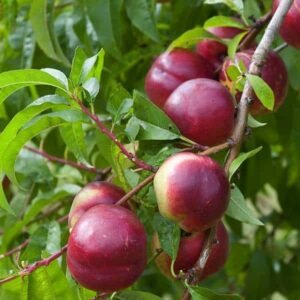
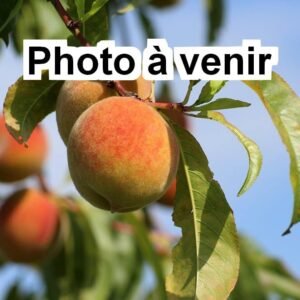
The Nectarine Red Gold is one of the most widespread and appreciated varieties in the world. This self-fertile Californian strain produces large, strikingly beautiful red and gold fruits. With its firm, sweet and juicy yellow flesh, it offers an exceptional flavour that will delight lovers of summer fruit.
This compact strain is especially ideal for small gardens while still being productive enough to satisfy a family. Its excellent yield and good disease resistance make it a top choice for both beginners and experienced gardeners.
Characteristics of the fruit
| Feature |
Description |
Benefits |
| Size |
Large size (250-300 g) |
Generous and attractive fruits |
| Color |
Intense red on a golden |
background
Attractive business |
| Flesh |
Yellow, firm and juicy |
Excellent fit and transport |
Red Gold Nectarine is distinguished by its smooth, non-fluffy skin and free core that easily detaches from the flesh. This feature makes it much easier to taste and transform the food.
Planting and location
The Nectarine Red Gold requires a sunny exposure with at least 6 hours of sunlight per day. Choose a location sheltered from the prevailing winds, which is particularly important because of its early flowering sensitive to late frosts.
🌱 Planting period: Autumn (November-December) or spring (March-April), excluding frost periods
Soil preparation:
- Well-drained, slightly acidic to neutral soil
- Enrichment with well-rotted compost
- 60 cm planting hole in all directions
- Addition of coarse sand if clay soil
For optimal pollination, although Red Gold is self-fertile, you can combine it with the Fantasia Nectarine or the Red Haven Peach to stagger the harvest.
Cultivation and maintenance
🚿 Watering
Watering should be regular but moderate. Keep the soil cool without excess moisture, especially during fruit formation. Mulching around the foot helps retain moisture and protects the roots.
✂️ Size
Pruning is carried out at the end of winter (February-March), before the resumption of vegetation:
- Cup training with 3-4 carpenters
- Removal of fruiting branches
- Thinning flower buds if necessary
- Maintenance pruning to ventilate the center
🌿 Fertilization
Add a special fruit tree fertilizer every year in the spring and a compost in the fall. This balanced nutrition guarantees optimal fruiting.
Disease resistance
The Nectarine Red Gold has a good general resistance to diseases, an appreciable characteristic of this Californian variety. However, like all nectarine trees, it remains sensitive to:
- Peach leaf curl: Preventive treatment with Bordeaux mixture in autumn and late winter
- Aphids: Monitoring in spring, treatment with black soap if necessary
- Moniliosis: Disposal of mummified fruit
💡 Tip: Its tolerance to heat and disease makes it a safe choice for warm regions and beginner gardeners.
Harvesting and Use
The harvest takes place from the end of July to mid-August depending on the region. The fruits are ripe when they give way slightly under the pressure of the finger and give off their characteristic fragrance.
🍽️ Culinary Uses:
- Fresh consumption (exceptional table fruit)
- Pastries and pies
- Jams and preserves
- Desserts and fruit salads
- Processing into juice
The firm flesh of Red Gold makes it particularly suitable for cooking and processing, retaining its texture and aromas.
Advantages of the Red Gold variety
| ✅ Highlights |
🌟 Benefits |
| Self-fertile |
No need for another variety to bear fruit |
| Compact |
port
Perfect for small gardens and container cultivation |
| High |
productivity
Satisfactory performance from the first years |
Hardiness: Resistant to -15°C to -20°C, but beware of spring frosts on flowers.
The Nectarinier Red Gold represents an excellent compromise between ease of cultivation, taste quality and productivity. This proven variety will satisfy both the amateur gardener and those looking for quality family production.
Our advice in video
Our other Peach Trees