Everything you need to know about the different varieties of cherries
Cherries, with their bright colors and varied flavors, are a summer delight enjoyed by many. Understanding the different varieties of cherries makes it possible to choose the ones that best suit your tastes and your garden. Whether you’re a lover of organic cherries or looking for the best strains for growing, this article will provide you with the essential information to make an informed choice.
🍒 Cherry Essentials
Complete Guide to Strains, Cultivation, and Uses
📋 The main varieties
Bigarreau
Firm and crunchy, ideal for fresh consumption
Squirrel
Tender and juicy, perfect for cooking
Sour cherry
Acidic, excellent for canning
White Cherries
Light flesh, mild and sweet taste
🌳 Cultivation and Maintenance
Full sun exposure required
Well-drained soil essential
Regular watering, especially in the first few years
Winter pruning of dead branches
Protection against frost and disease
🍽️ Storage and Use
Can be stored for up to a week in the refrigerator. Multiple uses:
Fresh consumption
Pastries and desserts
Jams and jellies
Canned goods and syrups
💪 Nutritional Benefits
Rich in antioxidants, vitamins C and A, potassium. Promote sleep thanks to natural melatonin and help with muscle recovery.
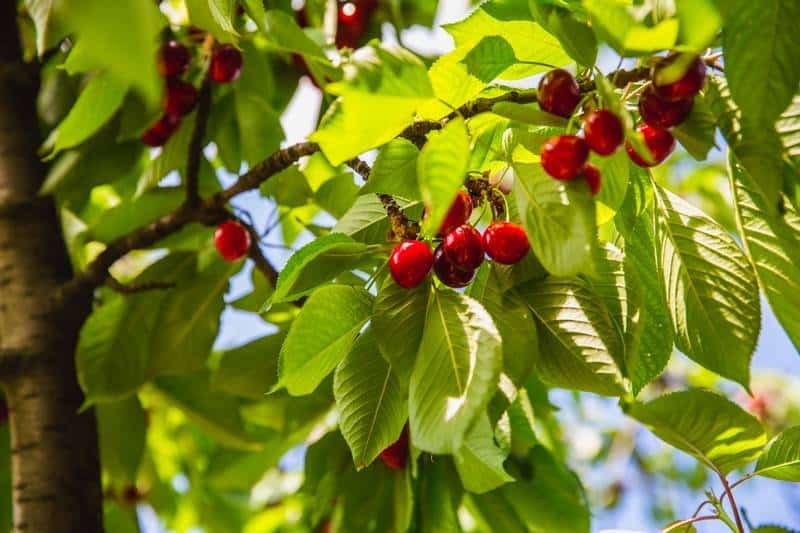
Bigarreau cherry trees : Bigarreau cherry trees produce firm, crunchy fruit, often used for fresh consumption. Bigarreaux are usually sweet and juicy, perfect for fruit salads and desserts.
Guigne cherry trees : The Guigne cherry trees are more tender and juicier than the Bitter Oranges. They are often less sweet and are ideal for cooking, especially for jams and pastries.
Cherry cherry : These fruits are small, acidic and often used to make preserves, syrups and liqueurs. They are very productive and resistant to diseases.
Cherry Amarelle : Amarelles are similar to Morello cherries but are generally lighter and less acidic. They are perfect for jams and pies, bringing a touch of sweetness to preparations.
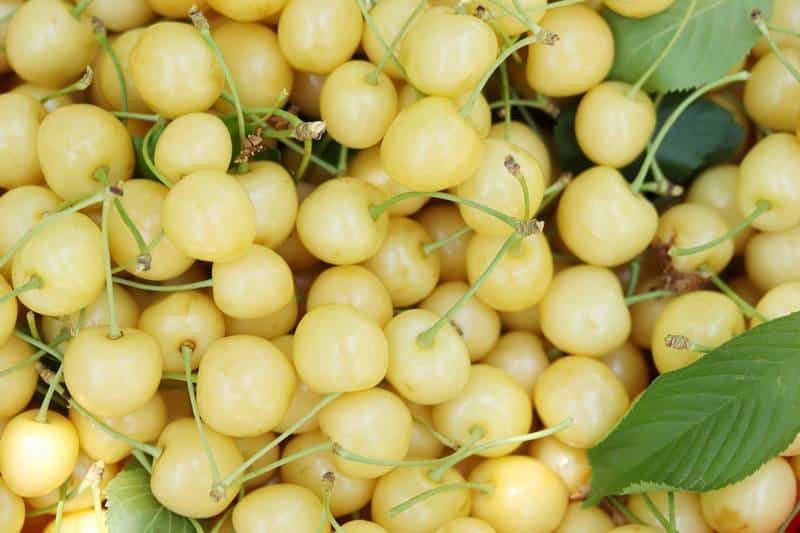
White Cherries : White cherries, such as the Napoleon variety, have light yellow to white flesh and skin that is often mottled red. They are sweet and juicy, excellent to be eaten fresh or canned.
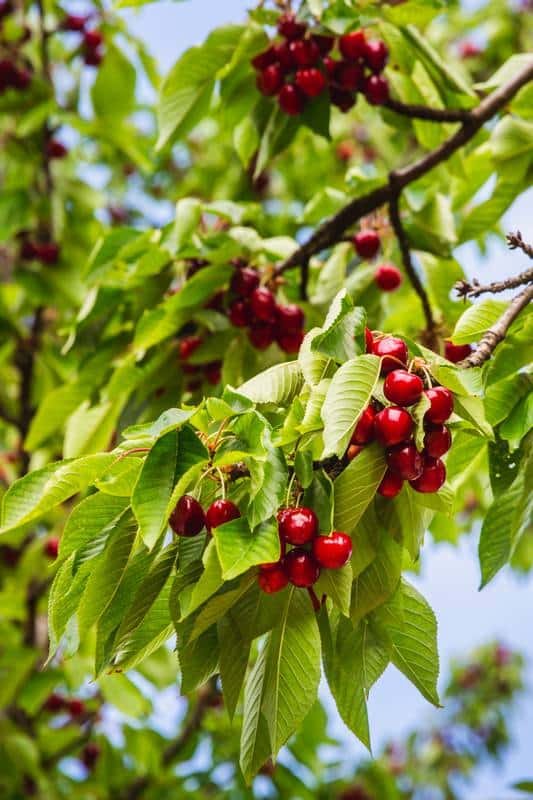
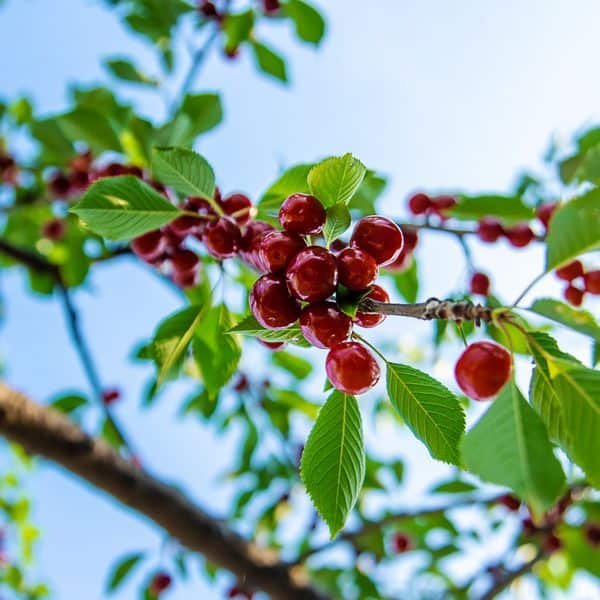
Bigarreau cherry trees are very popular for their firm, crunchy and sweet fruits, perfect for eating fresh. These varieties are often grown for their excellent taste quality and ability to withstand transport, making them a popular choice among gardeners and growers. Discover the main varieties of Bigarreau to enrich your garden and enjoy delicious fruit throughout the season. The majority of these plants in France are self-fertile. They are all deciduous and lose their foliage at the beginning of winter.
Bigarreau Burlat : Burlat has a dark red cherry that is juicy and sweet. Early maturity period and good resistance to disease.
Bigarreau Summit : Large, red and sweet fruits. Very productive variety with good tree performance.
Bigarreau Napoléon : Cherry of yellow color marbled with red, firm and crunchy. Ideal for fresh consumption and preserves.
Bigarreau Moreau : Dark red cherry, firm and sweet flesh. Excellent burst resistance.
Bigarreau Van : Medium-sized, red and juicy fruits. Good balance between acidity and sweetness.
Bigarreau Marmot : Red cherries, firm and crunchy. Good resistance to diseases and excellent taste quality.
Guigne cherry trees produce soft-fleshed fruit, often sweet and juicy. These varieties are particularly appreciated for their delicate taste and melt-in-the-mouth texture. Ideal for fresh consumption, Guigne are also used in various culinary preparations. Here are some varieties of Guigne to enrich your garden and enjoy delicious fruit throughout the seasons.
Black Cherries from Meched : Black cherries, juicy and sweet, with tender flesh.
Guigne d’Annonay : Old variety with dark red fruits, melting flesh and a very sweet taste.
Guigne Hâtive de Bussy : Dark red cherries, very juicy and sweet. Ideal for fresh consumption.
Guigne de Cloche : Bright red fruits, tender and juicy flesh, with a sweet taste.
Worlee Early Pig: Early variety with red fruits, tender flesh and sweet flavor.
Cherry Cherry Trees
These fruit trees produce acidic fruits, often used for jams, pies and liqueurs. These varieties are appreciated for their strong taste and acidity, which add a unique touch to culinary preparations. Here are some varieties of Morello cherry, ideal for lovers of fruit with an intense taste.
Morello cherry from Montmorency: Bright red cherries, juicy and tart. Perfect for jams and desserts. The best sour cherry in France with a late blooming period and filled with flowers that will beautify your orchards.
Northern Morello cherry : Dark red fruits, very acidic and juicy, ideal for preserves and liqueurs.
Oblachinskaja Morello Cherry : Hardy variety with dark red, very acidic cherries, perfect for syrups and pastries.
Richmond Cherry : Bright red, highly acidic cherries used for pies and sauces.
Vladimir’s Morello cherry : Dark red fruits, tangy, excellent for preserves and culinary preparations.
Amarelle cherry trees produce acidic fruits, often used for preserves, jams and pastries. These varieties stand out for their tender flesh and moderate acidity, offering a unique flavor that enriches various culinary preparations. Here are some varieties of Amarelle fruit trees, ideal for lovers of fruit with a balanced taste.
Early Amarelle : Light red cherries, tart and juicy, perfect for preserves and jams.
Amarelle de Provence : Bright red, slightly acidic fruits, ideal for pies and sauces.
Amarelle de Montmorency : Hardy variety with light red fruits, very juicy, perfect for preserves and pastries.
Amarelle de Nancy : Light red cherries, slightly acidic, used for jams and desserts.
Amarelle de Sannio : Bright red fruits, tangy, excellent for preserves and culinary preparations.
White Cherries
White cherries are distinguished by their light color and mild, sweet taste. In France, they are appreciated for their juicy flesh and versatile use, whether for fresh consumption or for culinary preparations. Here are some varieties of white cherries that are worth getting to know.
Napoleon : Medium to large fruits, with pale yellow skin and pink cheeks, firm and sweet flesh. See the product sheet
Trunk Jay : Also known as White Bigarreau, this variety produces cherries with pale yellow skin and firm, sweet, juicy flesh. Ideal for fresh consumption and jams. See the product sheet
White Nose : Medium to large fruits, with slightly pinkish white skin, soft and juicy flesh. Perfect for fresh consumption and desserts. See the product sheet
Blanche d’Harcigny : An old variety producing creamy white fruits, soft and sweet. Ideal for jams and fresh consumption. See the product sheet
Blanche de Meudon : An old variety producing yellowish-white, sweet and juicy fruits.
Blanchette : Small white cherries with a sweet taste, perfect for fresh consumption.
Royal Ann : Medium-sized, pale yellow-fleshed, sweet, crunchy fruits, often used for preserves.
Cherries are among the most popular fruits for their sweet and juicy flavor. Here is a selection of the best cherry varieties, each with its own advantages and disadvantages, to help you choose the one that will best suit your garden or taste preferences.
Burlat : Very popular, this variety offers large and sweet fruits. With a superb flowering.
Advantages: Good productivity and precocity.
Cons: Susceptible to certain diseases.
Queen Hortense : Known for its large fruits and tender flesh.
Advantages: Excellent taste quality.
Cons: Requires good pollination.
Napoleon : This variety produces firm, crunchy cherries.
Advantages: Good preservation and resistance to transport.
Cons: Susceptible to certain diseases.
Summit : Renowned for its large, sweet red fruits.
Advantages: High productivity and good disease resistance.
Cons: Requires regular pruning for good production.
Van: Late variety, offering firm and juicy fruit.
Advantages: Good preservation and resistance to cracking.
Cons: Requires cross-pollination for optimal production.
Bigarreau Moreau : Appreciated for its crunchy and sweet fruits.
Advantages: Very good taste and good resistance to transport.
Cons: Average productivity.
Cœur de Pigeon : An old variety with red and sweet fruits.
Advantages: Good taste quality.
Disadvantages: Irregular production.
Hedelfingen Giant : Producing large, juicy and sweet cherries.
Pros: Very good taste and large fruit size.
Cons: Susceptible to disease.
Bigarreau Noir de Meched : Late-flowering variety with dark and tasty fruits.
Advantages: Excellent taste quality.
Cons: Susceptible to disease.
Guigne d’Annonay : Ideal for jams and desserts.
Advantages: Good adaptation to different climates.
Disadvantages: Tender flesh, sensitive to handling.
To discover more varieties of cherries and buy certified organic plants, visit our cherry trees section on La Pépinière Terra’Terre. You will find a selection adapted to your needs.
Cherry Tree Culture
To grow these fruit trees and ensure abundant and healthy production, follow these essential steps, from planting to maintenance.
Choice of location: Plant your trees in a sunny location, with well-drained soil. Avoid areas prone to late frosts.
Planting: Dig a wide, deep hole to accommodate the roots. Mix compost into the extracted soil before replanting. Water thoroughly after planting.
Interview: Water regularly, especially during the first few years. Apply mulch around the tree to conserve moisture and reduce weeds.
Size: Prune dead or diseased branches in winter. Favor an airy structure to improve airflow and reduce the risk of disease.
Flowering: Cherry trees are one of the plants with a fairly early flowering period
Foliage: The foliage is deciduous, meaning that the trees lose their leaves at the beginning of winter.
Exhibition: In your orchards, it is preferable that these plants (cherry tree) have full sun exposure.
Fertilization: Apply a balanced fertilizer in early spring to support growth and fruit production.
Protection against pests: Watch regularly for signs of pests like aphids and fruit flies. Use biological treatments or traps if necessary.
Harvest: Harvest cherries when they are fully colored and easy to detach. Handle them gently to avoid damage.
For more advice on growing cherry trees and discover our advice blog on La Pépinière Terra’Terre.
Cherry harvesting and conservation
Harvest: Harvest them when they are well colored and easily detached from the stem. To avoid damaging the fruit, pick them with the stem intact.
Keeping fresh fresh: After harvesting, store them in a cool place. They can be stored in the refrigerator in an airtight container for up to a week.
Freezing: For longer storage, wash and dry them, then spread them out on a baking sheet to freeze individually before placing them in freezer bags.
Processing: Cherries can be made into jams, jellies, compotes, or preserved in alcohol to extend their shelf life and enjoy their taste throughout the year.
Dehydration: Dry the cherries with a dehydrator or in the oven on low to get dried cherries, ideal for snacking or baking.
The Nutritional Benefits of Cherries
Rich in antioxidants: They contain anthocyanins and flavonoids, powerful antioxidants that help reduce inflammation and fight free radicals.
Source of vitamins: They are an excellent source of vitamins C and A, which help to strengthen the immune system and maintain good eye health.
Improved sleep: Cherries, especially tart varieties, are rich in natural melatonin, a hormone that regulates the sleep cycle.
Heart Health: Thanks to their potassium content, they help regulate blood pressure and reduce the risk of cardiovascular disease.
Promotes muscle recovery: Cherries can help reduce muscle soreness after strenuous exercise due to their anti-inflammatory properties.
Cherry Consumption and Uses
Fresh consumption: They are delicious when eaten fresh, straight after harvest. They offer a sweet and juicy flavor, perfect for a summer snack.
Pies and cakes: They can be used in many baking recipes, such as cherry pies, clafoutis, and cakes. Their sweet and slightly tart taste adds a savory dimension to desserts.
Jams and jellies: Processing cherries into jams and jellies is a great way to preserve their flavor throughout the year. They can also be used to garnish pancakes or pancakes.
Dried cherries: They can be dehydrated and eaten as a snack or added to cereals, salads, and pastries. Dried cherries offer a sweet and healthy alternative to sweets.
Drinks: They can also be used to make refreshing drinks such as cherry juices, smoothies, and cocktails. They add a fruity and colorful touch to drinks.
To finish on the cherry tree family
In summary, there is a wide variety of cherries, each offering unique characteristics and diverse uses. Whether you are a lover of crunchy cherries like Bigarreau, or tender flesh like Guigne, or even sour cherries for your culinary preparations, there is something for everyone. By growing organic trees in your orchards, you contribute to the preservation of the environment while benefiting from tasty and nutritious fruit. In addition, the cherry tree is one of the plants whose flowers are also ornamental. To learn more about the different varieties of cherry trees and choose the one that best suits your garden, explore our cherry collection at Terra’Terre Nursery.



 Bigarreau cherry trees