
Pre-order Open Terra'Terre Nursery

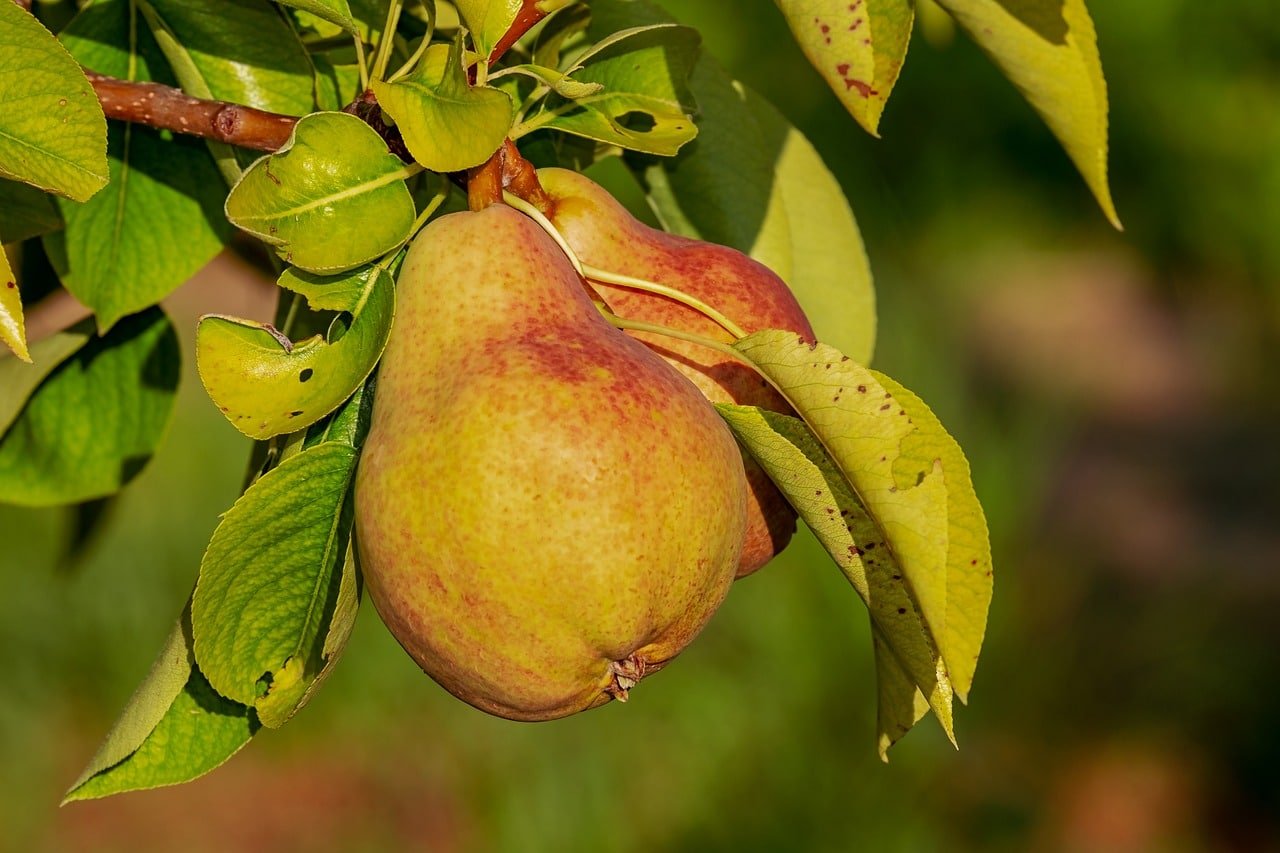
The 10 Best Pear Varieties: Discover the Perfect Pears for Every Season and Use

Pear trees category photo Terra'Terre Pear varieties

All about the Pear

Welcome to our complete guide to organically produced pear varieties. The diversity of these fruits available is incredible: each type has its own unique flavors and characteristics. By choosing organic pears, you support sustainable farming while enjoying chemical-free fruit. Learn about the benefits of knowing about the different varieties of pears and how they can enrich your garden and diet.
The Different Varieties of Pears

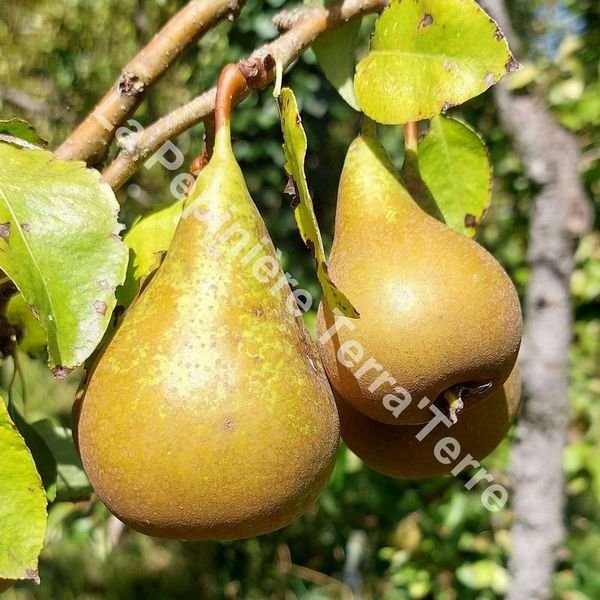
Poirier Conference - AB

  • Conference : An elongated pear variety, known for its sweet and juicy flesh, ideal to be eaten fresh or as a dessert.
  • Williams : Green-skinned pear that turns yellow as it ripens, with melting, sweet flesh, perfect for compotes and juices.
  • Comice : Round pear with green and red skin, very fragrant and sweet, often eaten fresh or used in salads.
  • Abate : Elongated pear with green and spotted skin, offering firm and sweet flesh, ideal for desserts and fruit salads.
  • Hardy butter: Pear with a bronze-green skin, with a fine and fragrant flesh, perfect for pies and jams.
  • Guyot : An early variety with yellow and red skin, with juicy and sweet flesh, ideal for eating fresh.

To discover all of our pear trees

The most famous pear varieties

Discover the best varieties of pears, selected for their taste qualities and their advantages in cultivation.

  • Conference : Popular for its soft and juicy flesh. Advantages: Very good preservation and resistance to diseases. Cons: Susceptible to scab.
  • Williams : Appreciated for its melt-in-the-mouth and sweet flesh. Pros: Excellent for compotes and juices. Cons: Short harvest period.
  • Comice : Very fragrant and sweet. Advantages: Ideal for salads and fresh consumption. Cons: Sensitive to shocks.
  • Abate : Known for its firm and sweet flesh. Pros: Good for desserts and fruit salads. Cons: Requires cross-pollination.
  • Hardy butter: Fine and fragrant flesh. Pros: Perfect for pies and jams. Cons: Sensitive to spring frosts.
  • Guyot : Juicy and sweet. Advantages: Early variety. Cons: Doesn’t keep for long.

French Pear Varieties

French pears are recognized for their exceptional quality and diversity. Local varieties include the Conference, which is prized for its soft, juicy flesh, and the Williams, famous for its sweet, melt-in-your-mouth flavour. Comice is another popular French variety, known for its intense fragrance and melt-in-your-mouth texture. Grown in a variety of terroirs, these pears benefit from climatic conditions and soils conducive to high-quality production. Local varieties of French pears are ideal for fresh consumption, as a dessert or in cooking, offering a rich and diverse taste experience.

Varieties of Pears for Cooking

Cooking pears are perfect for making a multitude of delicious recipes. The Conference variety is ideal for pies and compotes, thanks to its firm flesh that holds up well when baked. The Williams, with its sweet and juicy flavor, is excellent for preparing poached pears and refined desserts such as the Belle-Hélène pear. Comice, appreciated for its intense fragrance, is perfect for sweet and savory dishes, such as a pear salad with walnuts and blue cheese. As you explore these recipes, you’ll discover new ways to enjoy this versatile fruit in the kitchen.
Curé pear tree - TerraTerre Nursery

Varieties of Pears to Chew

  • Conference : A popular strain for fresh consumption, with a sweet and juicy flesh. Perfect to be enjoyed raw thanks to its balance between sweetness and acidity.
  • Comice : Known for its melting texture and sweet flavor, this pear is ideal for biting. It offers a rich and pleasant taste experience.
  • Williams : This juicy, sweet pear is perfect for fresh consumption. Its tender and fragrant flesh makes it a preferred choice for a healthy and delicious snack.
  • Hardy butter: With a fine and fragrant flesh, this variety is ideal for biting. It is particularly appreciated for its exquisite taste and pleasant texture.
  • Guyot : A summer variety, the Guyot pear is distinguished by its juicy and sweet flesh, perfect for raw and refreshing consumption.

Pear Season

The season for these fruits varies according to the variety, offering a harvest spread over several months. Summer pears like Guyot and Williams are usually ready to harvest as early as July and August. Autumn varieties, such as Conference and Comice, reach maturity in September and October. Finally, winter pears such as the Beurré Hardy are harvested in October and can be stored until December. Knowing the harvest time allows you to enjoy each strain at its peak.


Organic Pear Cultivation Guide

  1. Choosing the right location: Select a sunny spot with well-drained soil to plant your organic pear trees. Make sure the location offers enough space for the tree to grow. Check out our guide on how to choose your fruit tree for more details. organic farming AB
  2. Soil preparation: Amend the soil with compost or well-rotted manure before planting. This will enrich the soil and provide the necessary nutrients for growing organic pears.
  3. Planting: Plant your pear trees in autumn or early spring. Dig a hole twice as wide as the root ball and place the tree so that the graft point is at ground level. For detailed instructions, check out our guide on how to plant a fruit tree.
  4. Watering: Water young trees regularly to ensure a good recovery. Reduce the frequency of watering once the tree is well established.
  5. Mulching: Apply a layer of organic mulch around the base of the tree to conserve moisture, reduce weeds, and improve soil structure.
  6. Size: Prune pear trees in winter to promote an open, well-aerated structure. Remove dead, diseased, or crossed branches to improve air circulation and light penetration. For more tips, read our guide on pruning fruit trees.
  7. Biological maintenance: Use natural treatments such as nettle manure or black soap to control pests and diseases. Prioritize biological control methods and crop rotation to maintain tree health. Discover the advantages of organic farming on our dedicated page.
  8. Harvest: Harvest pears when they are fully ripe, usually in late summer or early fall. Handle fruit with care to avoid bruising and store in a cool, dry place.

Harvesting and Conservation Techniques

  • Pear harvest: Pears should be harvested when they are still firm but beginning to ripen. A sign of ripeness is when the fruit easily detaches from the branch by turning it slightly. For more details, see our guide to fruit harvesting.
  • Fruit Handling: Handle pears with care to avoid bruising that can accelerate their spoilage.
  • Pear Storage: After harvesting, store the fruit in a cool, dry place. For optimal storage, place them in the refrigerator, where they can be kept for several weeks.
  • Maturity Monitoring: Keep a regular eye on saved pears to prevent them from becoming overripe. Overripe pears lose their crunchy texture and become soft.
  • Post-harvest use: Pears can be eaten fresh or used in a variety of recipes, such as compotes, pies, and salads.

The Nutritional Benefits of Pears

  • Rich in fiber: Pear is an excellent source of dietary fiber, helping to regulate digestion and prevent constipation.
  • Pear Benefits

    Essential vitamins: They contain vitamin C, which strengthens the immune system, and vitamin K, which is essential for blood clotting and bone health.

  • Antioxidants: Pear is rich in antioxidants such as flavonoids and carotenoids, which help fight free radicals and reduce the risk of chronic diseases.
  • Hydration: Composed mainly of water, pears contribute to the hydration of the body, which is essential for maintaining healthy skin and proper organ function.
  • Low in calories: Pears are low in calories, making them a perfect choice for those who want to maintain a healthy weight while still benefiting from a nutrient-dense diet.

Consumption and Uses of Pears

  • Fees: Pears can be eaten raw, simply peeled and sliced. They are ideal for healthy snacks or added to fruit salads.
  • Sweet recipes: These fruits are perfect for desserts such as pies, crumbles, and clafoutis. Try a pear pie recipe for a delicious and easy-to-make dessert.
  • Compotes: Pears turn into a flavorful compote that can be served on its own, with yogurt, or as a topping for pancakes and waffles.
  • Savoury dishes: Incorporate these fruits into savory dishes, such as arugula, walnut and pear salad, or as an accompaniment to meats such as pork and duck.
  • Jams and Jellies: Make pear jams and jellies to enjoy their mild flavor all year round.
  • Juices and Smoothies: Blend pears into juices and smoothies for a refreshing and nutritious drink. They add a natural sweetness without the need for added sugar.

Conclusion

In summary, understanding the different varieties of pears and choosing organic pears offers many health and environmental benefits. Whether you’re a fan of pears to chew, cook or turn into delicious recipes, there’s a variety to suit your needs. Growing your own organic pear trees allows you to enjoy fresh, tasty fruit while supporting sustainable farming. Feel free to explore the many varieties available and incorporate pears into your daily diet. To learn more about growing and caring for pear trees, check out our guides on how to plant a fruit tree and when to prune fruit trees.

Facebook
WhatsApp
Email
Print
Picture of Vincent

Vincent

Leave a Reply

Your email address will not be published. Required fields are marked *

Contenu Pop-up Elementor

🎉 Perfect!

Your email has been saved. See you in late August / early September for pre-orders!

Thanks! 🌱

Terra'Terre Pépinière Arbre Fruitier

Se connecter