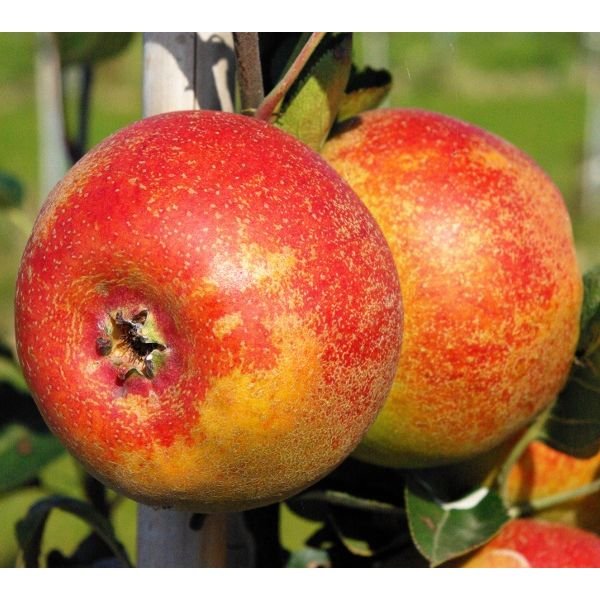
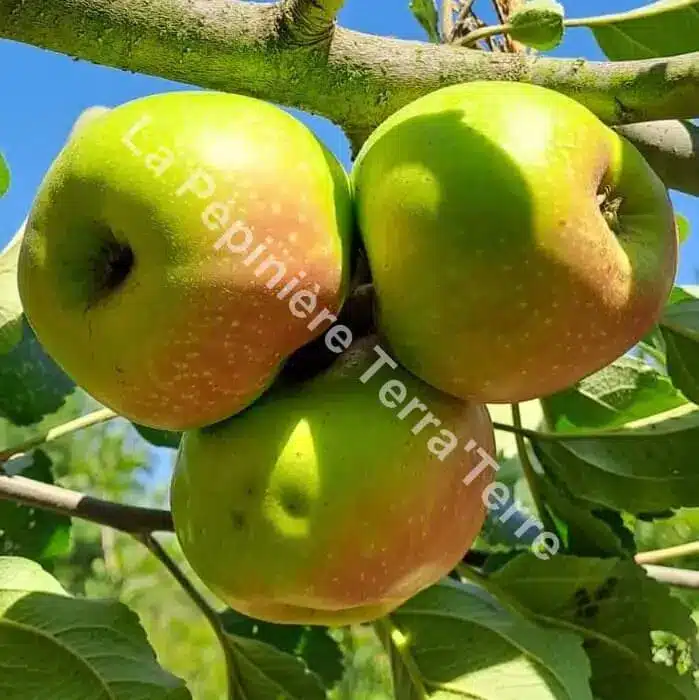
Everything you need to know about the world of apple trees
Welcome to our complete guide to organically producedapple varieties. The diversity of apple varieties available is incredible: each type has its own unique flavors and characteristics. By choosing organic apples, you support sustainable agriculture while enjoying chemical-free fruit. Learn about the benefits of knowing about the different varieties of apples and how they can enrich your garden or orchard and your diet. For more information on planting and caring for organic apple trees, check out our guide to planting fruit trees.
⚡ At a glance
Apple trees offer a sustainable and healthy alternative for both amateur and experienced gardeners. This guide summarizes the essentials of growing, from popular strains to skincare techniques.
Fuji : A crunchy and sweet variety, perfect for fresh consumption and desserts. Native to Asia, this vigorous apple tree produces fruit with a thin, crisp skin.
Canadian Reinette : Known for its firm, tangy flesh, ideal for pies and compotes. Hardy, it is often grown in orchards in France for its robustness.
Golden Delicious : Sweet and juicy, this apple is great to bite into and in salads. Its golden color makes it attractive in any kitchen.
Jonathan : A bright red apple with a slightly tart taste, perfect for cooking. Very productive, it is appreciated for its bright red color. However, very susceptible to diseases.
Reine des Reinettes : An ancient variety appreciated for its sweet flavor and versatile use in cooking. This vigorous apple tree with its white rose bloom in spring makes it an excellent choice for family orchards.
Gravenstein : Juicy, tart apple, ideal for compotes and juices. It is often eaten raw because of its cooling effect.
The 10 Best Apple Varieties
Discover the 10 best varieties of apples, selected for their taste qualities and their advantages in cultivation. Here is our selection:
Fuji : Crunchy and sweet, ideal for fresh consumption. Advantages: long shelf life, good resistance to diseases. Cons: Requires a lot of sunlight. This fruit is perfect to be eaten raw or in compote.
Reinette du Canada : Firm, tangy flesh, perfect for pies. Pros: Rich fragrance, ideal for cooking. Cons: May be prone to fungal diseases. It is often grown in orchards in France for its robustness.
Golden Delicious : Sweet and juicy, excellent for chewing and in salads. Advantages: very versatile, good productivity. Disadvantages: susceptible to scab. Its thin skin and golden color are highly appreciated.
Jonathan : Bright red with a slightly tart flavor. Pros: good for cooking. Old and very hardy variety. Cons: May be prone to disease.
Reine des Reinettes : Old, sweet and versatile variety. Pros: good for cooking, great flavor. Cons: Short harvest time. This apple is excellent to eat raw or cooked.
Gravenstein : Juicy and tangy, ideal for compotes and juices. Pros: very juicy, refreshing flavor. Cons: Does not keep for long. It is perfect for compotes and fresh juices.
Boskoop Red : Tangy and crunchy, perfect for cooking. Advantages: excellent for cooking, intense taste. Cons: Can be hard to find. This vigorous fruit is perfect for baked dishes.
Calville Blanc d’Hiver : Fine and sweet flesh, ideal for desserts. Advantages: excellent taste, good for compotes. Late-harvest variety and hardy tree. Cons: It is often used for desserts thanks to its thin skin.
Reinette de Brive : Sweet and fragrant, good for fresh consumption and pies. Advantages: unique taste, good preservation. Cons: Requires special care. This apple tree is often grown in traditional orchards in France.
Astrakhan Red : Crunchy and juicy, ideal for juices and salads. Pros: very juicy, good productivity. Cons: Does not keep for long. Its bright red color makes it very attractive.
Top 5 resistant apple trees, perfect for beginners
Choosing the right location: Select a sunny spot with well-drained soil and soil to plant your trees. Make sure the location offers enough space for the tree to grow. For more details on planting, check out our guide on when to plant a fruit tree.
Soil preparation: Amend the soil with compost or well-rotted manure before planting. This will enrich your soil and provide the necessary nutrients for growing your trees.
Planting: Plant your apple trees in autumn or early spring. Dig a hole twice as wide as the root ball and place the tree so that the graft point is at ground level. Discover our tips on how to plant a fruit tree.
Watering: Water young trees regularly to ensure a good recovery. Reduce the frequency of watering once the tree is well established.
Mulching: Apply a layer of organic mulch around the base of the tree to conserve moisture, reduce weeds, and improve soil structure.
Size: Pruning is done in winter to promote an open and well-ventilated structure. Remove dead, diseased, or crossed branches to improve air circulation and light penetration. Check out our guide to pruning fruit trees.
Biological maintenance: Use natural treatments such as nettle manure or black soap to control pests and diseases. Opt for biological control methods. For more information on the benefits of organic farming, visit our dedicated page.
Harvest: Harvest apples when they are fully ripe, usually in late summer or early fall. Handle fruit with care to avoid bruising and store in a cool, dry place.
Apple Varieties and Their Uses in Cooking
Queen of the Reinettes
The Reine des Reinettes apple, with its slightly orange color, is ideal for pies and compotes thanks to its firm texture and tangy flavor. It can also be used in savory dishes, such as roast pork with apples.
Golden Delicious
Golden Delicious apples, with their natural sweetness, are perfect for fruit salads and desserts like tartes Tatin. Their firm and crunchy flesh also makes them ideal for eating fresh.
Granny Smith
Known for their acidity, Granny Smiths are perfect for recipes that call for a touch of spice, such as chutneys and sauces. They also add a nice crunchy texture to salads.
Gala
Gala apples, sweet and juicy, are ideal for snacks and fruit salads. They’re also great for quick desserts like crumbles and muffins.
Fuji
With their very good sugar content, crunchy texture, orange reflections, they are perfect for fresh desserts and salads. They can also be used in baked dishes, providing a natural sweetness.
Jonagold apples, with their perfect balance of sweetness and acidity, are excellent for pies and compotes. Their firm texture also makes them perfect for salads and ready meals.
The Blood Apple
The blood apple is a variety of apple that stands out for its bright red flesh, a characteristic due to a high concentration of anthocyanins, antioxidants that are beneficial to health, especially for the cardiovascular system. Growing varieties such as the Red Love Apple orthe Rote Gardeteler Apple allows you to introduce this diversity into an orchard. These apple trees produce fruits with a balanced flavor, mixing sweetness and acidity, which makes them suitable for direct consumption or culinary preparation. Additionally, these trees are well-suited to different soil types and climates, providing a reliable option for gardeners looking for new varieties to grow.
Apple Disease and Pest Management
Moniliosis : This fungal disease causes fruit and flowers to rot. Solution : Eliminate the affected fruit and use organic fungicide treatments.
Fire Blight : Causes branches to darken and die. Solution : Uprooting the tree is an act that seems violent, but fire blight is a very monitored disease (fortunately also very rare).
Aphids : These insects suck sap from leaves, weakening the tree. Solution : Introduce ladybugs and spray soapy water (black soap).
Codling moth : This pest attacks young fruits, causing them to drop. Solution : Use pheromone traps and crop rotation.
Bacterial canker : This disease causes lesions on the bark and branches. Solution : Prune the affected areas and apply copper-based treatments.
Powdery mildew : Causes white felting on leaves and fruit. Solution : Use sulfur sprays.
Rust : Creates orange spots on leaves. Solution : Remove the affected leaves and apply copper-based treatments.
Apple trees are a great choice for your orchard and environmentally friendly gardening. To grow them successfully, choose a sunny exposure and well-drained soil. Use compost to enrich the soil and promote tree growth. Practice crop rotation and combine these trees with companion plants like lavender and thyme to repel insect pests. Finally, regularly monitor for signs of diseases and pests, and opt for natural treatments such as nettle manure or essential oils.
In summary, knowing the different varieties of apples with their pink blooms in spring and opting for organic apples offers many benefits, both for your health and for the environment. Whether it’s for their delicious taste, nutritional benefits, or contribution to an eco-friendly orchard, apple trees are a smart choice. Feel free to grow these varieties in your garden to enjoy fresh, tasty fruit while supporting sustainable agriculture. To learn more about planting and caring for fruit trees, check out our articles on how to choose your fruit tree and how to plant a fruit tree.




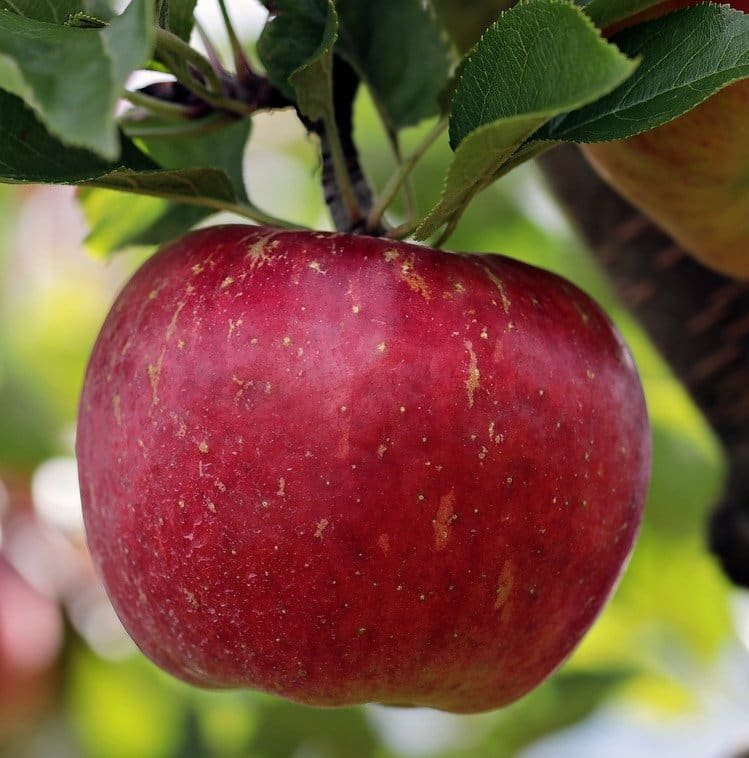
 Discover the 10 best varieties of apples, selected for their taste qualities and their advantages in cultivation. Here is our selection: