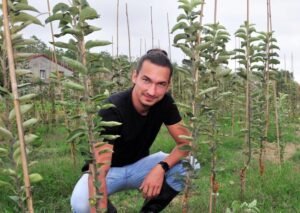

In the green landscape of Lot-et-Garonne, the Terra’Terre nursery is bringing a forgotten treasure back to life: heirloom fruit tree varieties. These guardians of France’s fruit-growing heritage, long overshadowed by commercial varieties, are now enjoying a well-deserved revival. Grown according to the principles of organic farming, these hardy trees offer far more than fruit; they are the pillars of rich, balanced biodiversity. From the Reinette du Mans apple tree to the Beurré Hardy pear tree, by way of plum trees with sweetfruit, each species tells a story and makes its own contribution to our orchards. Their spring blossom offers a display of beautiful flowers, attracting a host of pollinators. By choosing these heirloom varieties, you are not just planting a tree: you are helping to preserve an invaluable heritage of flavour and ecology.
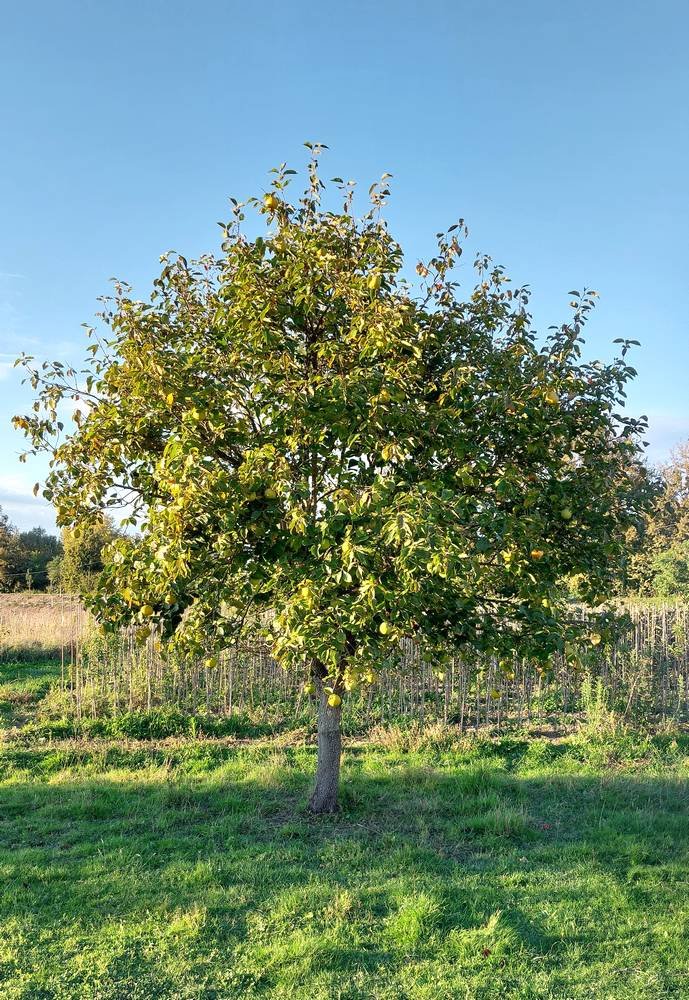
Choosing organically grown heirloom fruit tree varieties brings many benefits for your garden and your palate. Here is why these treasures of our fruit-growing heritage deserve pride of place in your orchard:
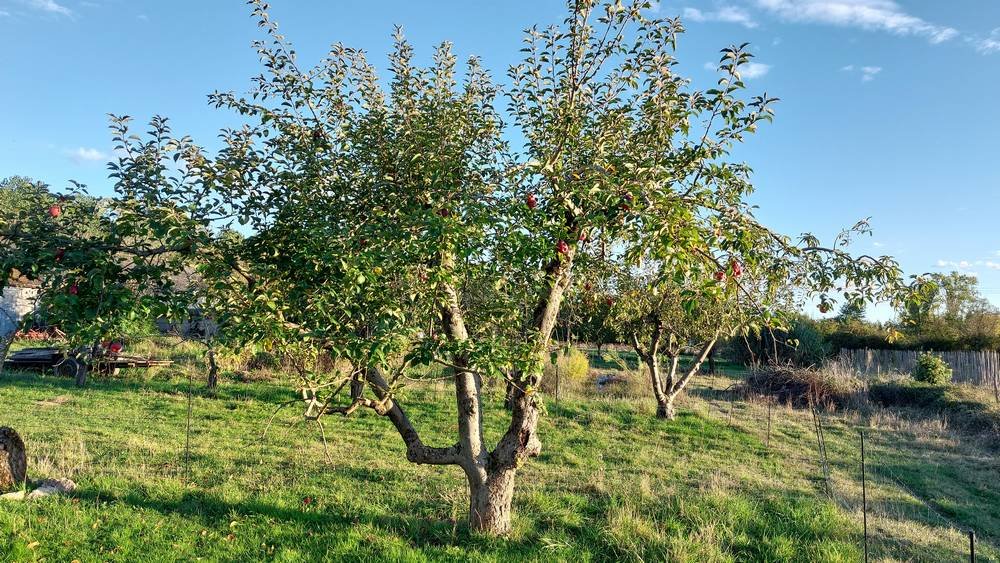
With its mild climate and varied soils, Aquitaine is ideal ground for many heirloom fruit tree varieties. Discover these treasures of our fruit-growing heritage, perfectly suited to our region:
The Reinette Clochard apple tree, originally from Poitou, does particularly well in our region. Its fine flesh and tangy flavour make it a favourite for tarts and stewed fruit. The Astrakan Rouge apple tree, for its part, bears early fruit with a refreshing, sweetflavour, ideal for Aquitaine summers. These trees, available from our nursery, suit gardens of all sizes.
The Beurré Hardy pear tree produces melting, juicy pears and is perfectly suited to the local climate. For lovers of cooking pears, the Curé pear tree is a must, as its fruit keeps remarkably well. These trees in flower in spring are a real sight, with their delicate white blossom.
The Reine-Claude Dorée, a true jewel of our orchards, bears plums with an incomparable taste and sweetflesh. For prune lovers, the Ente plum tree is particularly well suited to our local conditions. These fruit trees
are available in different sizes to suit every space.
The Bigarreau Moreau cherry tree produces large black cherries, perfect for eating fresh. For a later harvest, the Napoléon cherry tree bears crunchy, sweetfruit. The height and spread of these trees can be controlled by appropriate pruning.
The Roussanne de Juillet peach is a local variety that thrives in the Aquitaine sun. For connoisseurs, the Reine des Vergers bears fruit with fine, fragrant flesh. These early trees bear fruit from early summer.
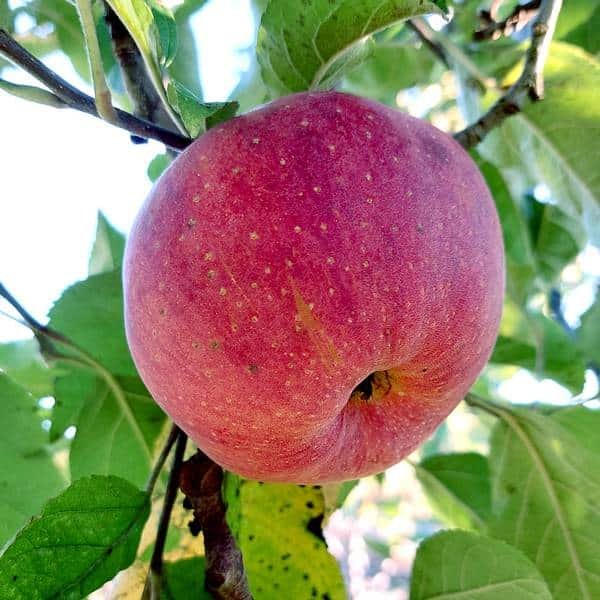
Choosing the right heirloom fruit tree for your garden is essential for its growth and productivity. Here are the key steps to making the best choice:
The Terra’Terre nursery is fully committed to organic farming for growing its fruit trees. This approach rules out pesticides and chemical fertilisers in favour of natural methods that preserve biodiversity. For example, our Reinette Clochard apple tree AB grows in a healthy environment that supports its natural growth and disease resistance. All the trees in our nursery come from this ecological approach.
Organically grown fruit, like that of our Beurré Hardy pear tree, offers exceptional nutritional quality. Free of pesticide residues, this fruit keeps all its richness in vitamins, minerals and antioxidants, contributing to a healthier, more balanced diet. Our early fruit trees produce particularly tasty, sweetfruit.
By choosing organic fruit trees, you opt for production that takes care of your health. The fruit of our Reine Claude Dorée plum tree AB, for example, is free of harmful chemicals. This greatly reduces the risks associated with ingesting pesticides, which matters particularly for children and sensitive people. Our range of organic trees is regularly expanded to meet growing demand.
Organic farming goes beyond simply producing fruit. It actively helps to preserve ecosystems. Our organic orchards, like the one where our Burlat cherry tree ABgrows, become real refuges for beneficial wildlife, pollinating insects and many bird species, contributing to the overall ecological balance. The flowering of our trees attracts a host of beneficial insects, creating a real display of blossom and life.
Planting your heirloom fruit tree correctly is essential for its future growth and productivity. Follow this step-by-step guide for successful planting:
By following these steps, you will give your heirloom fruit tree, whether a Reinette du Mans apple tree or a Beurré Hardy pear tree, the best chance of thriving in your garden.
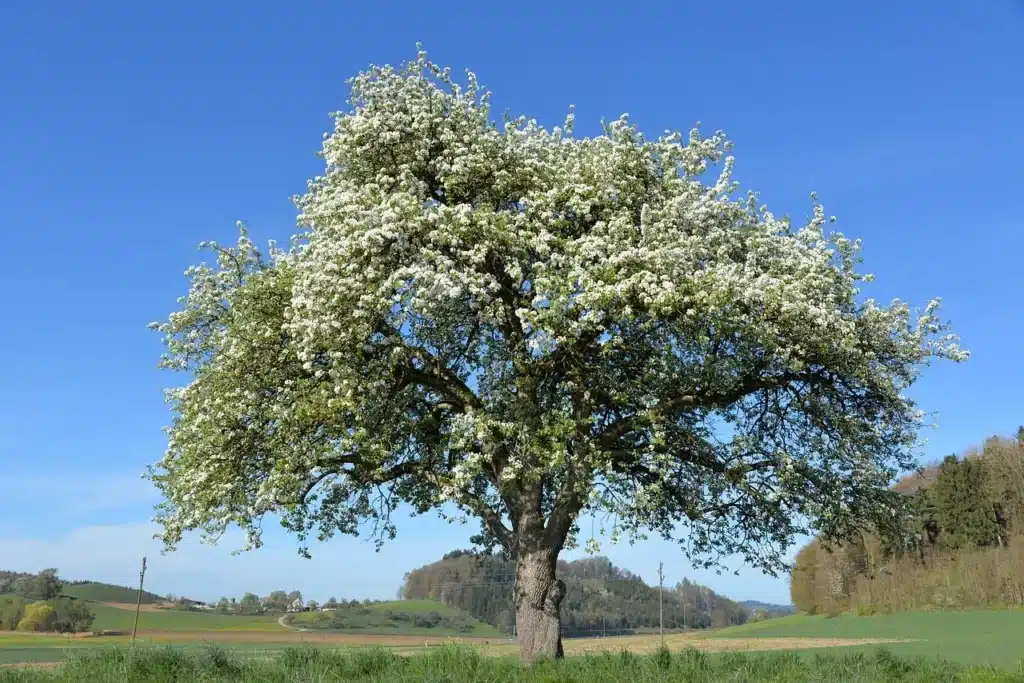
Pruning is essential to keep your heirloom fruit trees healthy and productive. It helps to:
For a Reinette Clochard apple tree, for example, annual winter pruning will encourage an abundant harvest of tasty apples.
Heirloom fruit trees, such as the Beurré Hardy pear tree, benefit greatly from natural feeding:
To keep your trees healthy without chemical pesticides:
The Reinette de France apple tree, naturally resistant, is an excellent choice for an organic orchard. Its limited availability makes it a sought-after tree.
Good watering and suitable mulching are crucial:
Watching your trees closely will let you spot and deal with any problem quickly:
By following this care advice, your heirloom fruit trees, whether a robust Reine Claude Dorée plum tree or a delicate Reine des Vergers peach tree, will stay healthy and productive for many years.
Harvesting and storing heirloom fruit takes particular care to preserve its unique flavour. Here is a practical guide to help you make the most of your harvests:
| Fruit | Harvest period | Signs of ripeness | Storage method | Storage time |
|---|---|---|---|---|
| Reinette Clochard apple | October – November | Yellow-green colour, strong fragrance | Cool, dark cellar | Up to 6 months |
| Beurré Hardy pear | September | Yields to gentle finger pressure | Refrigerator, in a perforated bag | 2 to 3 weeks |
| Reine Claude Dorée plum | August – September | Golden colour, slightly soft to the touch | Freezing after stoning | Up to 1 year (frozen) |
| Burlat cherry | May – June | Dark red, glossy colour | Freezing or bottling | 6 months (frozen) |
| Reine des Vergers peach | August – September | Intense fragrance, flesh yields slightly | Jam or stewed fruit | 1 week (fresh), 1 year (processed) |
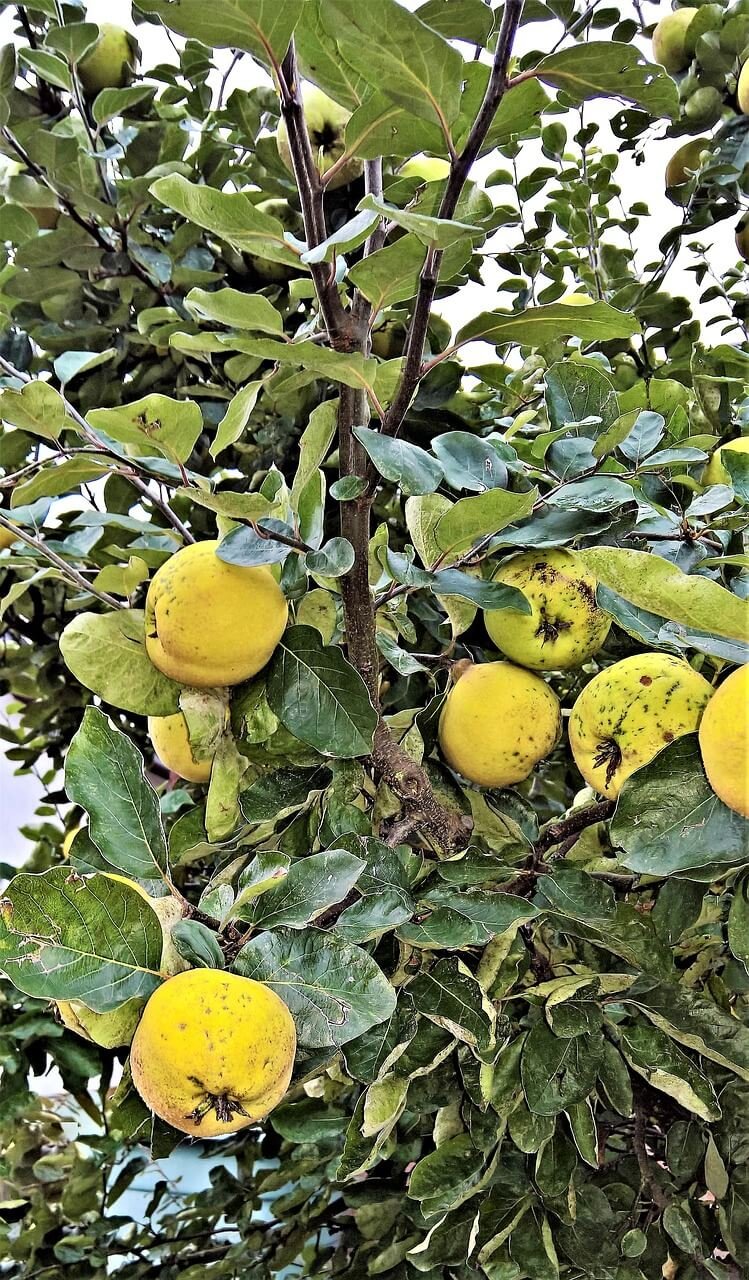
| Coing du Portugal quince | October | Yellow colour, down disappears | Quince paste or jelly | Several months (processed) |
By following these recommendations, you can enjoy the delicious flavours of your heirloom fruit trees all year round.
Heirloom fruit trees play a crucial role in maintaining and enriching your garden’s biodiversity. Here is how these trees help create a balanced ecosystem:
Trees such as the Reinette Clochard apple tree provide ideal shelter for many insect-eating birds, contributing to natural pest control. Their branches host the nests of tits and robins, encouraging a variety of birdlife.
The abundant blossom of the Beurré Hardy pear tree attracts a host of pollinating insects. This wealth of nectar supports wild and domestic bee populations, which are essential for pollinating the whole garden.
The Reine Claude Dorée plum tree naturally hosts beneficial insects such as ladybirds and lacewings. These natural predators help keep insect populations in balance, reducing the need for chemical intervention.
The blossom of the Burlat cherry tree attracts not only honeybees but also bumblebees and butterflies. This diversity of pollinators ensures better fertilisation of the flowers, improving fruit production across the whole garden.
Thehoney tree (Tetradium daniellii), with its late flowering, offers bees a valuable source of nectar at the end of the season. This resource is crucial for keeping bee colonies going through more difficult periods.
By choosing to plant heirloom fruit tree varieties, you are doing much more than beautifying your garden. You become a key player in preserving a precious fruit-growing heritage and actively support local biodiversity. Located in the heart of Lot-et-Garonne near Agen, the Terra’Terre nursery is committed to supplying top-quality organic fruit trees, perfectly suited to the Aquitaine terroir.
Our careful selection, from the Reinette Clochard apple tree to the Beurré Hardy pear tree, gives you hardy varieties with authentic flavours. These trees, available in different sizes, suit all types of garden. Our range of trees also includes early varieties for a quick harvest of sweetfruit.
By buying locally from our nursery, you support not only our region’s economy but also environmentally friendly farming practices. With their beautiful spring blossom, our fruit trees will bring beauty and biodiversity to your garden.
Take action today! Explore our online catalogue and start creating your heirloom orchard. Together, let’s preserve fruit diversity for future generations and bring the flavours of the past back to today’s gardens.