Description
About the Juningia hazelnut tree
The Juningia hazelnut tree is a distinctive variety, offering both an attractive tree and excellent hazelnuts. Its growing reputation is making it a sought-after addition to organic gardens and orchards.
Botanical characteristics of the Juningia hazelnut tree
- Type: Deciduous shrub
- Mature height: Up to 4.5 metres
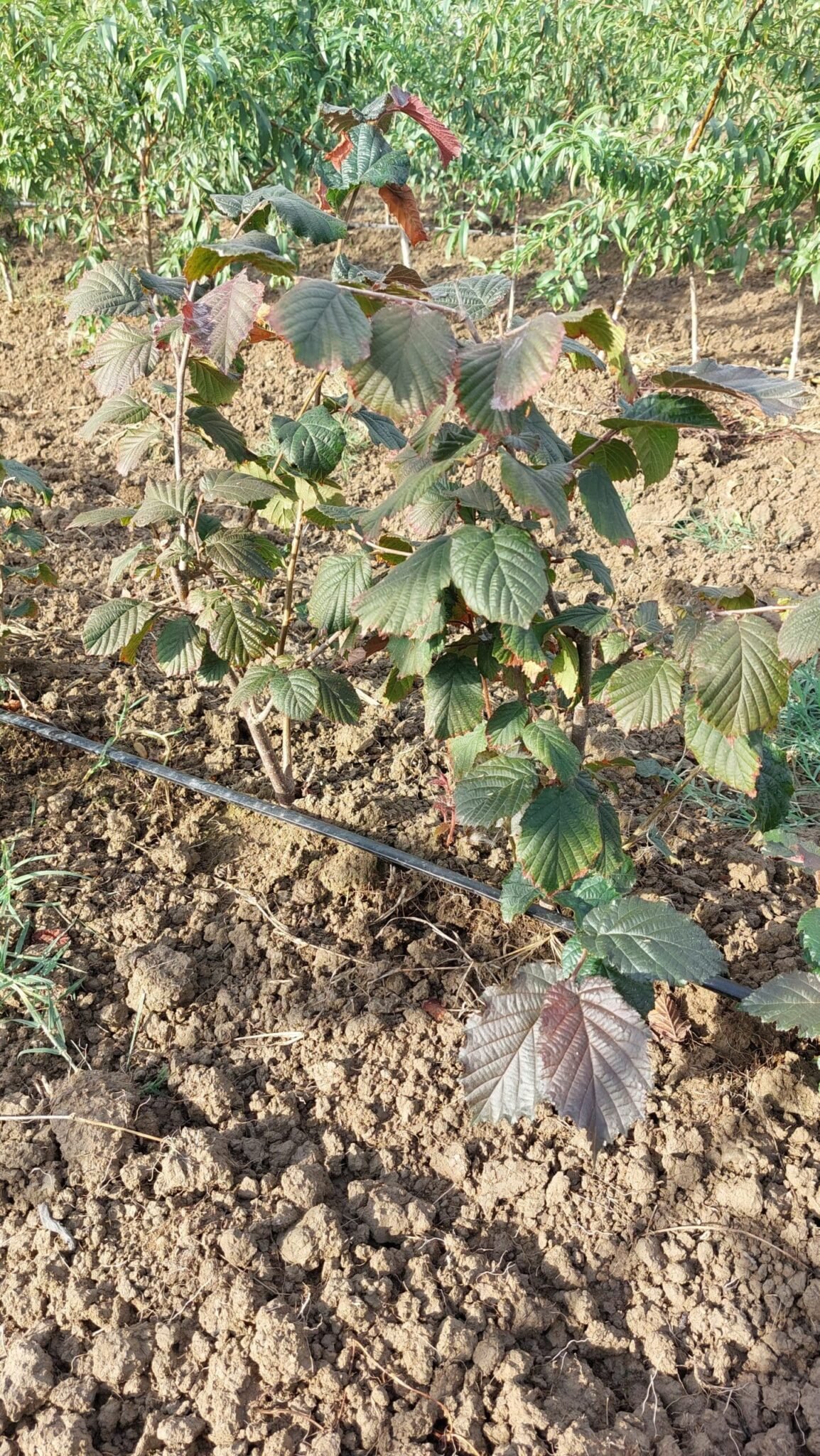
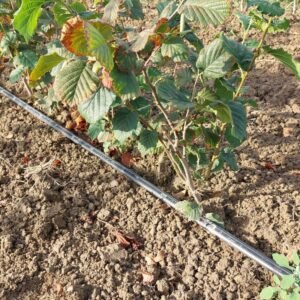
- Foliage: Purple leaves, oval in shape, with a finely toothed margin
- Flowering: Purple catkins appearing in spring
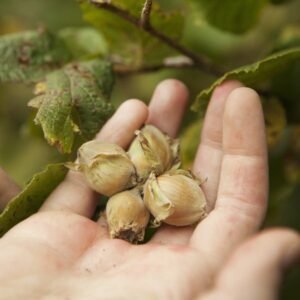
- Fruiting: Medium-sized hazelnuts with a relatively smooth shell
What Juningia hazelnuts taste like
Juningia is known for the exceptional flavour of its nuts:
- Flavour: Rich and slightly buttery
- Texture: A thin shell with a tender kernel inside
- Storage: They keep well, especially in a cool, dry place
Comparison with other hazelnut varieties
Set alongside other varieties, Juningia stands out as follows:
- Ripening: A slightly later harvest
- Pollination: An excellent pollinizer for other varieties
- Resilience: Good resistance to the common diseases
Culinary and nutritional uses of Juningia hazelnuts
Juningia hazelnuts are not only a pleasure to eat, they are also nutritionally valuable:
- High in: Antioxidants, fibre, vitamin E and magnesium
- Culinary uses:
- Perfect for eating as they are
- They lift sweet dishes such as tarts and pancakes
- Added to savoury recipes for a crisp note
History and origin of the Juningia hazelnut tree
Although less widely known than other varieties, the Juningia hazelnut tree has a rich history. Originating in parts of Europe, it was selectively grown for its distinctive nuts. Today it is increasingly sought after for its particular qualities, which is making it a rising name among growers.
Our advice blog
Our advice on video
Our other hazelnut trees