Description
Plum Mirabelle plum from Nancy
The Plum Mirabelle plum of Nancy is an emblematic variety known in France since the Middle Ages, introduced by King René of Anjou. This legendary mirabelle plum is one of the largest mirabelle plums cultivated, recognized for its exceptional taste quality and its characteristic honey taste.
Vigorous and particularly productive, this mirabelle plum tree offers an abundant and regular harvest, which can produce up to 50 kg of fruit per year. Its late flowering allows it to escape spring frosts, guaranteeing reliable fruiting year after year.
Characteristics of the Plum Mirabelle plum tree from Nancy
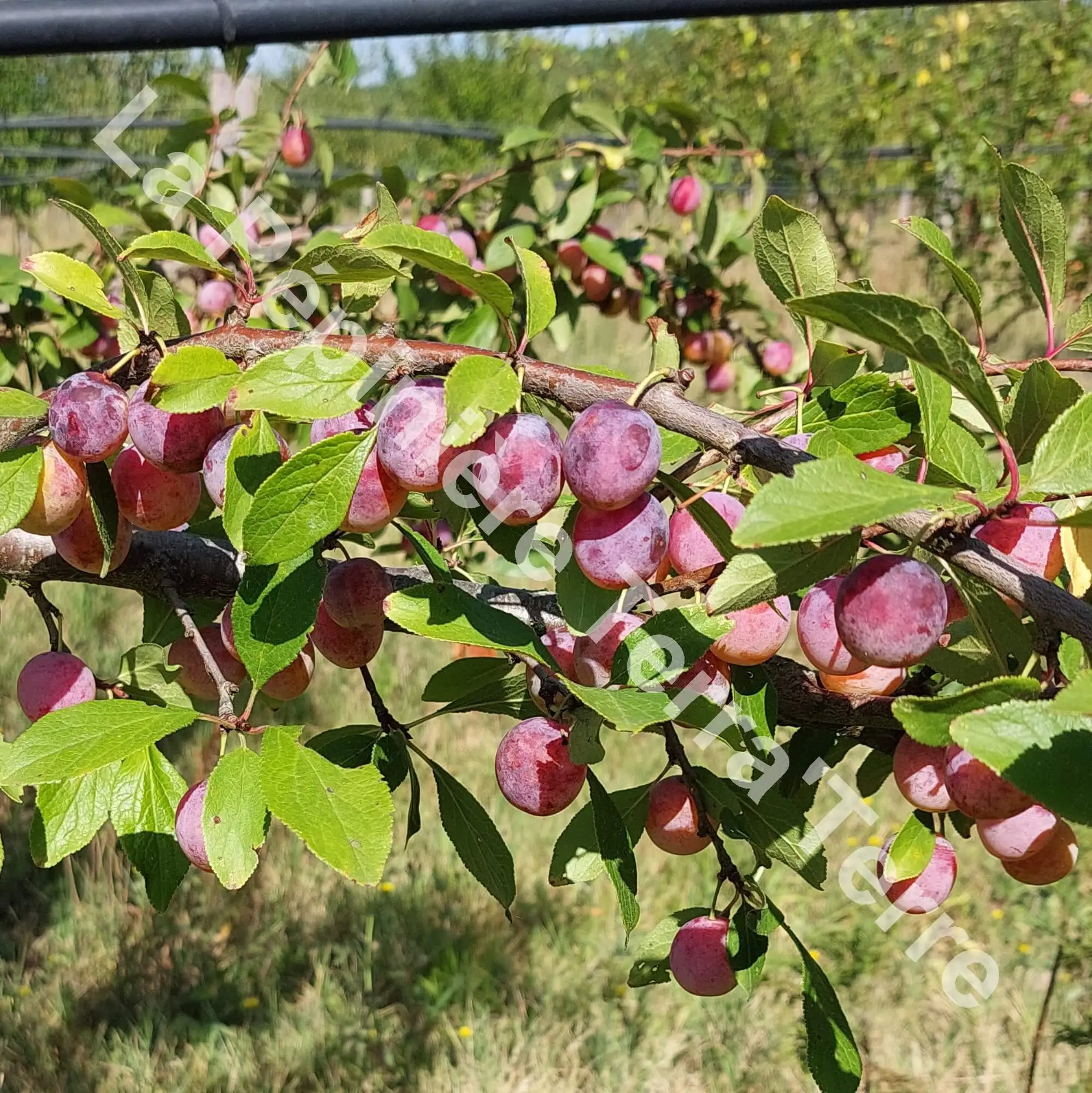
🍯 Exceptional fruit: The mirabelle plums of Nancy are distinguished by their larger size than other varieties (3-4 cm in diameter) and their magnificent golden yellow colour dotted with vermilion red spots in the sun. Their slightly oval shape and thin skin make them particularly attractive fruits.
🌟 Remarkable taste qualities: The light yellow, almost transparent flesh is firm, fine and melting. It develops an intense honey taste with aromas of apricot and a spicy note. Very sweet and juicy, it is easily detached from the stone, making it easier to taste and process.
🌳 Robust shaft: The Mirabelle plum tree of Nancy forms a tree 4 to 6 metres high, with a semi-erect habit that spreads out after the first fruiting. Its easy branching and fast growth make it an ideal choice for home gardens.
Flowering and pollination
The late flowering from late March to early April is a major advantage of this variety. It is fairly spread out over time, allowing excellent resistance to spring frosts. The abundant white flowers offer a remarkable decorative spectacle in spring.
The Nancy Mirabelle plum tree is self-fertile, which means that it can bear fruit on its own. However, its productivity is considerably improved by cross-pollination with other compatible varieties such as the Reine-Claude de Bavay or the Stanley Plum tree.
Resistance and hardiness
This variety has excellent hardiness down to -20°C, making it particularly suitable for cold regions. It is resistant to bad weather and tolerates limestone soils. The mirabelle plum tree is recognized as the most resistant fruit tree to cold and to the main plum diseases.
Its natural resistance to moniliosis and its ability to adapt up to 1000 meters above sea level make it a safe choice for most French regions, especially in the northern half of the country.
Cultivation and maintenance
🌱 Planting: Plant preferably between February and May, or from October to December, avoiding periods of frost. Choose a sunny but not too scorching location, in light, cool, well-drained soil.
🌿 Soil Requirements: The mirabelle plum tree adapts to any filtering soil that is not too wet, even shallow, relatively dry or calcareous. Absolutely avoid areas with standing water and land that is too wet.
💧 Watering: Water regularly in spring and summer, especially in the first few years. Once established, the tree tolerates relative drought well but appreciates cool soil.
🌿 Fertilization: Bring compost and potting soil when planting. In winter, a light addition of potash-rich wood ash improves fruiting.
Size Care
The pruning of the mirabelle plum tree must be light and maintenance. Intervene at the end of winter (January-February) to:
- Remove dead wood and diseased branches
- Thinning branches to promote light penetration
- Harmonize the shape and reduce the dimensions if necessary
- Removing suckers at the foot of the tree
Thinning the branches is essential to obtain a good production. Keep 3 to 5 fruits per spur when pruning green.
Harvesting and storage
The harvest takes place from the end of August to the beginning of September, when the first mirabelle plums begin to fall naturally. A light tap of the branches allows the hesitant fruit to be harvested. Maturity is gradual, allowing several harvest passes.
📦 Storage: The mirabelle plums of Nancy can be kept well after harvest, until the end of September in the fridge. Fragile, avoid excessive handling and piling them up. They are ideal for freezing, drying and processing.
Culinary Uses
The mirabelle plums of Nancy offer exceptional culinary versatility :
- Fresh consumption: Delicious bitten directly from the tree, revealing all their honey taste
- Pastry: Perfect for pies, clafoutis, crumbles and cakes
- Canned goods: Jams, compotes, fruit in syrup and jellies
- Distillation: Famous mirabelle plum brandy, Lorraine speciality
- Drying: Dried Mirabelle Plums for Snacks
Fruit setting and productivity
The Mirabelle plum tree of Nancy begins to produce its first fruits between 2 and 4 years after planting. This variety is known for its exceptional productivity and regularity, with little alternation unlike other plum trees.
Its production can reach remarkable levels, making this variety a preferred choice for fruit lovers and family producers wishing to make homemade preserves.
Nutritional values and benefits
Nancy mirabelle plums are rich in nutrients : vitamins C and A, fiber, potassium, and natural antioxidants. Their high content of natural sugars makes them an ideal energy fruit for athletes and children.
Their transformation into eau-de-vie is part of the French culinary heritage, particularly in Lorraine where this tradition has endured for centuries.
Our advice in video
Our other Plum Trees