Description
Sanguine Peach Saint Lawrence
The Sanguine Saint Laurent peach tree is one of the first sanguines of the season, offering exceptional fruit from mid-August. This old variety, known for its characteristic vinous red flesh , seduces with its unique taste and great hardiness. Self-fertile and resistant, it adapts to most French regions while guaranteeing regular and abundant production.
Characteristics of the Sanguine Saint Laurent peach
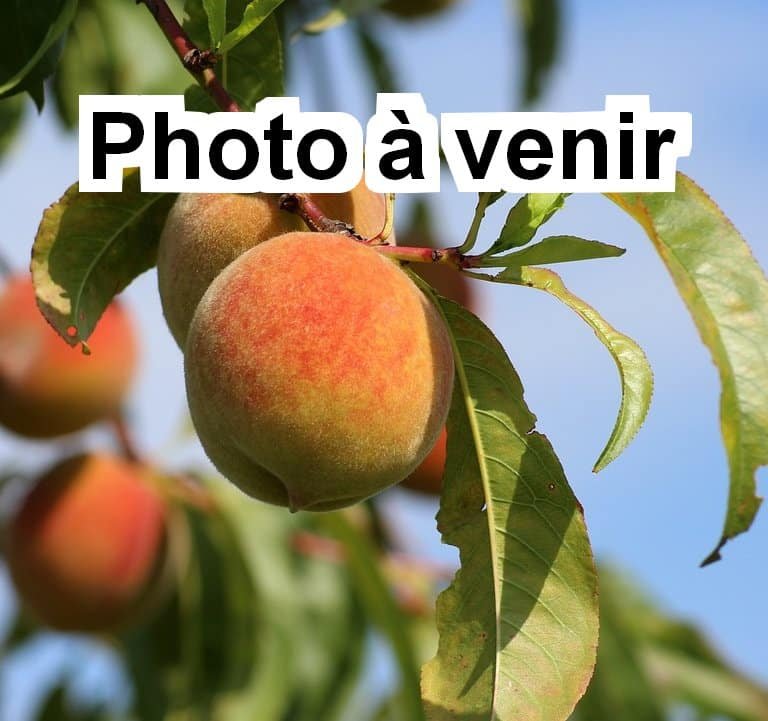
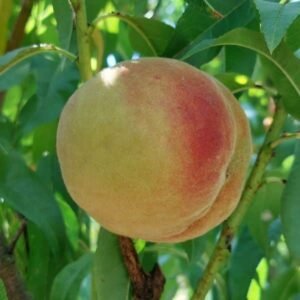
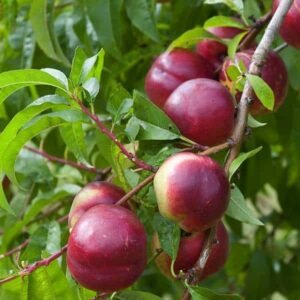
The fruits of the Sanguine Saint Laurent peach tree are distinguished by their medium size and velvety skin with deep red hues. The blood-red flesh, juicy and fragrant, offers an exceptional taste experience with sweet and slightly acidic notes typical of vine peaches. This variety has excellent resistance to the main diseases:
- 🛡️ Very good resistance to blistering
- 🛡️ Good resistance to powdery mildew
- 🛡️ Good resistance to green aphids
The pale pink flowering, which occurs in March-April depending on the region, is followed by early ripening for a sanguine, with fruit ready to be picked from mid-August. The vigorous tree can reach 3 to 5 meters in height and begins to produce as early as the second year after planting.
Cultivation and maintenance
The Sanguine Saint Laurent peach tree appreciates well-drained, light to dry, even stony soils, but without excess limestone. For a successful planting, choose a sunny exposure sheltered from cold winds. The ideal planting period is from November to March, outside of frost periods.
For maintenance, water regularly during the fruit growth period. Mulching at the foot of the tree will conserve moisture and limit weed growth. Bring compost in the fall and a specific fertilizer for fruit trees in the spring.
Pruning and training
The pruning of the Sanguine Saint Laurent peach tree is carried out at the end of winter, just before flowering. It consists of:
- Thin the branches to promote aeration
- Remove dead and intersecting branches
- Shorten fruiting twigs to stimulate the appearance of new shoots
Apply a healing putty to large wounds and carry out a preventive treatment with Bordeaux mixture at the end of winter to prevent diseases.
Pollination and associations
Although self-fertile, the Sanguine Saint Laurent peach tree will benefit from the presence of other varieties to optimize its production. For effective cross-pollination, pair it with the Queen of the Orchards peach tree , which blooms at the same time, or with the Fantasia nectarine tree.
This variety fits perfectly into a diverse orchard. To stagger your stone fruit harvests, also plant the Bergeron apricot tree for apricots in July, or the Reine Claude Dorée plum tree to extend the pleasure until September.
Harvesting and Use
Sanguine Saint Laurent peaches are harvested in mid-August, when the fruits are supple under the fingers and give off their characteristic fragrance. These vine peaches are ideally eaten fresh, but also lend themselves to many preparations:
| 🍑 Fresh |
Plain, in fruit salad |
| 🥧 Pastries |
Pies, clafoutis, crumbles |
| 🍯 Canned goods |
Jams, compotes, fruit in syrup |
The blood-red flesh brings a spectacular visual touch to your desserts and an incomparable intense flavor. Vine peaches are also known for their richness in natural antioxidants thanks to their red pigments.
Advantages of the variety
The Sanguine Saint Laurent peach tree has many advantages that make it a preferred choice for gardeners:
- ✅ Hardy variety adapted to many climates
- ✅ Excellent resistance to common peach tree diseases
- ✅ Early production from the 2nd year
- ✅ Exceptional taste quality
- ✅ Self-fertile : one tree is enough
- ✅ Maturity mid-August : one of the first sanguines
This old variety, selected for its hardiness and taste quality, is an excellent choice for starting an orchard or completing a collection of fruit trees. Its natural resistance to diseases makes it a variety particularly suitable for organic cultivation.
Our advice in video
Our other Peach Trees