

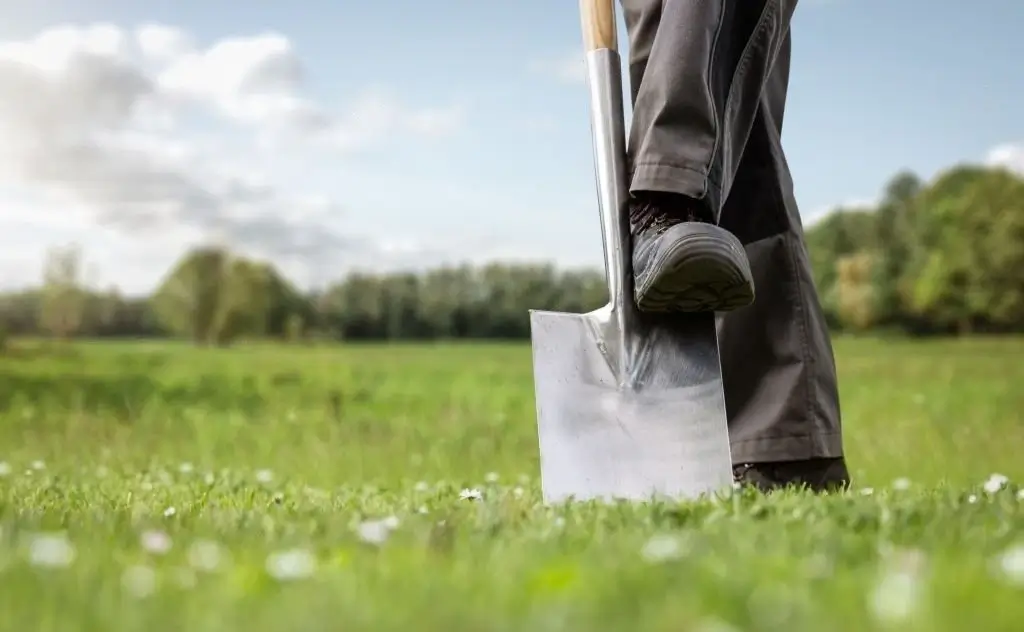
How do you prepare the soil properly before planting fruit trees?
Before you even think about planting, the soil must be ready and welcoming. This is the first crucial step to ensure healthy growth for your fruit tree.
Choose a sunny, well-drained spot if possible. The location is the first guarantee of healthy growth.
If you want to know how to plant a fruit tree really well, you can have your soil analysed to find out its type: is it clay, sandy, silty or chalky?
Depending on the results of the analysis, you may need to adjust the composition of the soil.
Before planting, the soil should be loose and aerated.
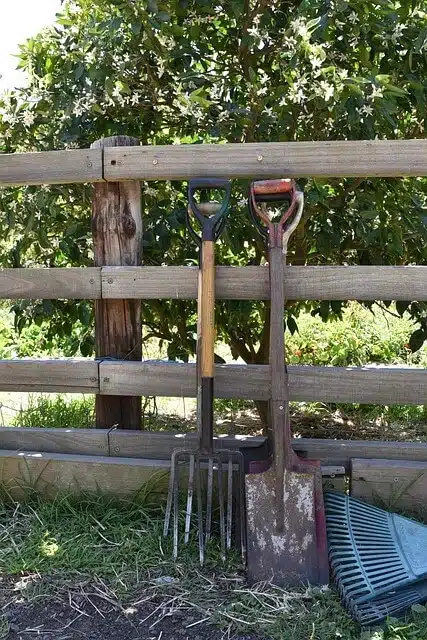
After improving and working the soil, you can leave it to rest for a few weeks.
This step is not necessary if you prepare the soil just before planting.
Every step of this preparation is crucial to give your fruit trees the best possible start. Do not underestimate this phase: well-prepared soil is the foundation of a thriving orchard.
When is the best time to plant fruit trees?
Timing is essential. It must match the needs of the tree and the weather conditions. Here is a guide to help you plan the planting of your fruit trees.
Generally, late autumn and early spring are the best times to plant fruit trees.
Personally, I advise against spring planting for most of the fruit trees sold on my website, except citrus.
See our article When to Plant a Fruit Tree for more information
Take the weather and the soil type into account before planting.
Table: planting calendar (for guidance)
| Type of fruit tree | Ideal planting period |
| Apple tree | November – December – January |
| Pear tree | November – December – January |
| Plum tree | November – December – January |
| Cherry tree | November – December – January, and February – March in cold regions |
| Apricot tree | November – December – January, and February – March in cold regions |
| Peach tree | November – December – January, and February – March in cold regions |
| Citrus | April – June |
Note: this table is a general suggestion. It is important to consult a local professional or refer to the specific recommendations for each variety.
This chapter gives you the basics on the ideal time to plant your fruit tree. If you would like to know more, I invite you to read our article When to Plant a Fruit Tree, which covers the subject in much more detail.
Planting a fruit tree is more than simply putting a plant in the ground. It calls for precision. Here are the key steps:
Place the tree in the centre of the hole and backfill with a mixture of soil and compost until the root collar (the point where the roots meet the trunk) is level with the ground.
At first, you can set your fruit tree slightly too deep. Once the hole is completely filled, gently pull up on the rootstock to bring the collar level with the ground. This pulling also angles the roots downwards.
After planting, water thoroughly. This helps the soil settle around the roots and removes air pockets.
Mulch the soil
Apply an organic mulch around the tree. It retains moisture, protects the roots from the cold (especially frost) and limits competition from weeds.
Important note
Take the time to do it well. Your tree will repay you a hundredfold!
How do I protect my fruit trees when planting them?
Planting a fruit tree is a crucial step, but protecting the tree during this phase is just as important. Here is some advice on doing it properly:
Handle the tree by the pot or the trunk (rootstock), not by the branches. This avoids stressing or injuring the young tree.
Before planting, you can dip the roots in a “root slurry”: a liquid mixture of clay and manure (usually cow dung) in which you soak the roots of the fruit tree. This stops the roots drying out and gives better initial rooting.
Plant on a calm, cloudy day. Avoid days with frost.
Consider using stakes to stabilise the tree and help it grow straight. Add rodent guards (rabbits) and deer guards (roe deer) around the trunk if needed. See our range of protection products in our accessories section.
Water your tree regularly during the summer, especially in the first three years after planting, so that the fruit tree can root deeply enough and become self-sufficient.
I know it is hard, and the urge to taste a delicious fruit is tempting, but for the growth of the fruit tree it is better to remove the flowers or fruit in the first year. The tree should spend its energy developing its roots and branches in the first year rather than trying to produce one or more fruits (which, what’s more, will not necessarily be very good).
Important note: lifting and replanting is stressful for the tree. These steps aim to minimise this stress and ensure a healthy, vigorous start. Your tree is a long-term investment, so look after it accordingly!
What are the most common questions about planting fruit trees?
We understand that planting fruit trees can raise many questions. Here are some of the most common ones, with clear, precise answers.
The best time is generally autumn or early winter, when the soil is moist and temperatures are mild. For more information, see our article “When to Plant a Fruit Tree?”
It all depends on the age and shape of your tree. I invite you to read our article on central leader training.
It depends on the variety and the rootstocks. Find out the mature size of the tree and space them accordingly. On average, 5 metres between trees is enough.
Use protection such as tree guards and nets to protect them from rodents and birds. You can find our protection accessories here
This can be due to several factors, including the age of the tree, growing conditions, care, lack of pollination and poor pruning. Consult a professional if necessary.
No, fertiliser is generally not needed at planting time. Well-prepared soil should be enough in the early stages. However, a slow-release base fertiliser such as ground horn will do no harm.
Once planted, the junction between the trunk and the roots, called the root collar, should be level with the ground.
I invite you to watch my planting video a little further up for more explanations.
Teaching note: every tree is unique, as are the conditions in which it is planted. If you have specific questions, feel free to consult a fruit-growing professional.
Find my video tutorials on my YouTube channel: