
Choosing a fruit tree for your garden is an important decision that can turn an outdoor space into a productive and enchanting orchard. Whether you are a beginner or an experienced gardener, choosing the ideal fruit tree calls for attention to detail. In this article, we look at the different aspects to consider, from growth forms to suitable climates, and at varieties of apple, pear, cherry and peach trees.
Terra’Terre Nursery: your trusted partner
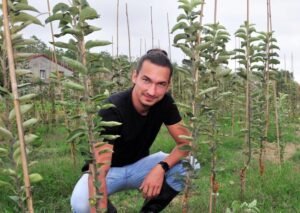
Terra’Terre Nursery, located in the beautiful Lot-et-Garonne department in Aquitaine, is your trusted partner in this quest. As an organic nursery, we specialise mainly in producing organic fruit trees suited to a wide range of regions and climates.
Our mission is twofold:
- To offer a selection of heirloom and rare fruit tree varieties, helping to preserve our fruit-growing heritage.
- To supply high-quality plants, grown with care and respect for the environment, for abundant and lasting fruiting.
Why choose a fruit tree from Terra’Terre Nursery?
- Certified organic expertise: our trees are grown according to the strict principles of organic farming, for healthy, robust plants.
- Selected varieties: we offer a selected range of fruit trees, including heirloom and rare varieties, to meet each gardener’s specific needs.
- Personal advice: we are happy to guide your choice according to your soil, your climate and your taste preferences.
Visit our shop to explore our full catalogue and make an informed decision for your garden.
Understanding Rootstocks
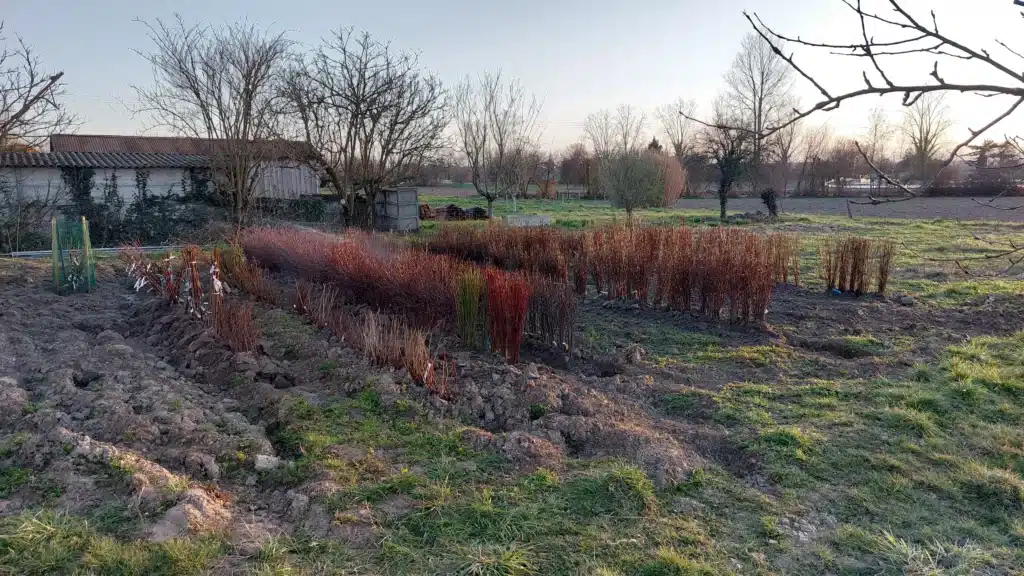
A rootstock is a plant onto which another plant, the scion, is grafted so that it can continue to grow. With fruit trees, understanding rootstocks is essential because they play a major role in growth, disease resistance, fruiting and the final size of the tree. This is particularly important for trees such as apple, pear, cherry and peach trees.
Why the Rootstock Matters
- Adaptation to soil and climate: the rootstock allows the tree to adapt to a range of soil and climate conditions. It is chosen for its ability to thrive in your region.
- Vigour control: some rootstocks limit the tree’s growth, which is ideal for small spaces or for easier harvesting. This is particularly useful in small gardens or for growing in pots.
- Resistance to diseases and pests: rootstocks are often selected for their natural resistance to certain soil-borne diseases and pests, for a healthier tree.
Choosing the Right Rootstock
- Analyse your soil: different rootstocks suit different soil types, so it is essential to know the composition and pH of your soil before choosing.
- Consider the space available: for a small garden, choose a dwarfing or semi-dwarfing rootstock. For a large space or an orchard, a more vigorous rootstock may be appropriate.
- Think about your local climate: some rootstocks are hardier, others cope better with drought. Choose according to the climate in your region.
At Terra’Terre Nursery, we work with a range of rootstocks, such as Rubira, Montclar, Myrobolan, Prunus avium L, BA29, Pyrus, M9, MM106, seedling, etc.
Each of these rootstocks has its own advantages and is matched to different fruit tree varieties according to their needs and the growing regions.
To help you choose the ideal rootstock for your fruit tree, see our page dedicated to rootstocks for personal advice, or contact us using the contact form.
Choosing a Pome Fruit Tree
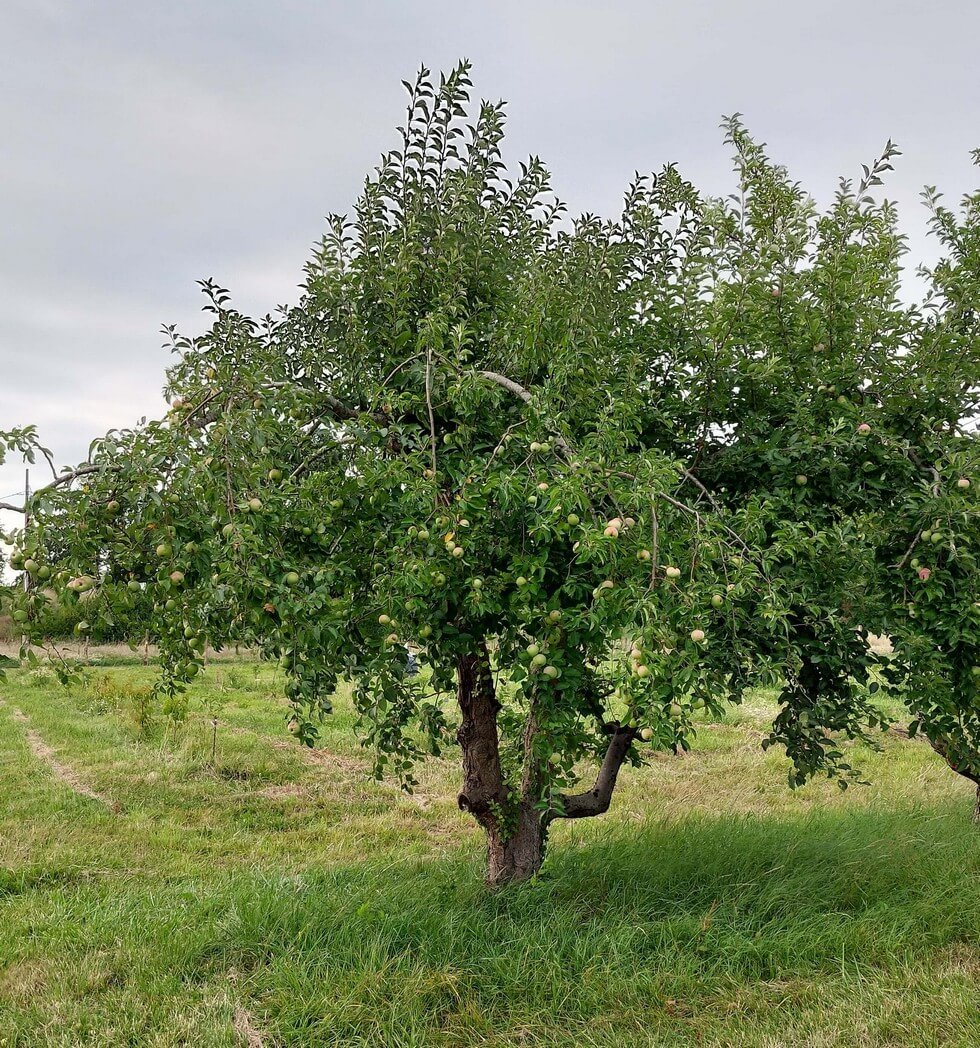
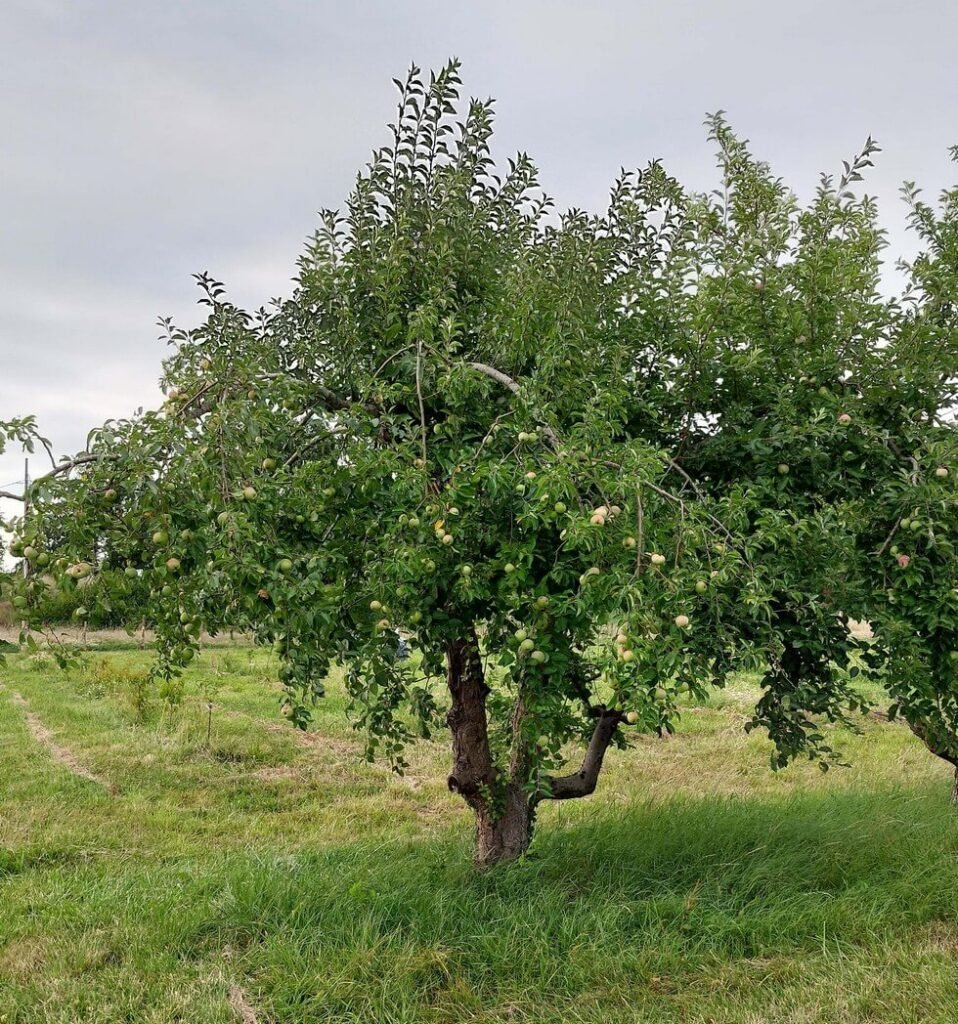
Pome fruit trees bear fruit with pips inside. Apple trees and pear trees are the most common examples. When choosing a pome fruit tree for your garden, consider factors such as the size of the tree, the climate, the care it needs and, of course, the type of fruit you will harvest. Their blossom is also a sight not to be missed in spring.
Varieties to Consider
- Apple trees: choose from varieties such as Fuji, Golden Delicious, Reine des Reinettes or Calville Blanc d’Hiver. Each variety has its own requirements in terms of climate and position.
- Pear trees: options such as yellow Williams, Conférence and Comice are popular for their juicy, flavourful fruit. Pear trees generally need more warmth than apple trees.
Selection Criteria
- Climate and soil: choose a variety that suits your local climate and your garden’s soil type. Some varieties are better suited to cold regions, others to warmer climates.
- Space available: depending on the rootstock, some trees grow larger than others. Make sure you have enough room for the tree you choose. For small spaces, consider dwarf forms or growing in pots.
- Care: consider how much time you can devote to pruning, caring for and harvesting your trees. Pruning the trunk and branches is crucial for good fruiting.
- Purpose: think about what you want to do with the fruit: eat it fresh, store it, or make apple sauce, juice and so on.

Choosing a Stone Fruit Tree
Stone fruit trees bear fruit with a hard stone, such as peaches, nectarines, cherries and plums. Choosing a stone fruit tree for your garden calls for particular attention to the specific features of these species, especially regarding flowering and position.
Leading Varieties
- Peach and nectarine trees: choose hardy, flavourful varieties such as Amsden, Mireille, Nectarine Felligni or Pêche de Vigne Jaune. The peach tree is particularly appreciated for its spectacular blossom.
- Plum trees: Quetsche d’Alsace, Mirabelle de Nancy and Reine-Claude Dorée are popular choices suited to different climates.
- Cherry trees: Burlat, Napoléon and Cœur de Pigeon Rouge are wise choices for juicy cherries. Cherry trees can grow very large, so make sure you have enough room.
Key Considerations
- Climate: stone fruit trees generally prefer a warmer, sunnier climate. Check that they suit your region. The peach tree, for example, is sensitive to late frosts, which can damage its blossom.
- Pollination: some stone fruit trees need a pollinizer nearby. Find out about the pollination needs of the variety you choose.
- Space and tree habit: as peach and cherry trees can spread widely, it is essential to allow enough room. Consider trained forms for small spaces.
Choosing Your Fruit Tree According to Your Garden’s Climate and Soil
Successfully growing a fruit tree depends largely on the conditions in your garden. Climate and soil are the two key factors that determine which fruit trees will thrive there. Here is how to guide your choice, whether you want to plant an apple, pear, cherry or peach tree.
Understanding Climate Requirements
- Hardiness zones: before buying a fruit tree, check which hardiness zone you are in. These zones indicate the minimum temperatures a tree can tolerate, which is crucial in regions with harsh winters.
- Sunlight: fruit trees need enough sunlight to produce fruit. Make sure they get at least 6 hours of direct sun a day. The position is particularly important for flowering and for ripening the fruit.
- Rainfall: too little or too much water can be harmful. Consider the rainfall in your region and choose trees suited to these conditions. Some trees, such as the apple, tolerate different levels of moisture better.
Analysing Your Garden Soil
- Soil pH: fruit trees generally prefer slightly acidic to neutral soil. Have your soil analysed and adjust its pH if necessary.
- Soil type: well-drained soils are essential. Sandy, silty or clay soils have different properties that affect the tree’s health. For example, the pear tree copes better with heavy soils than the peach tree.
- Soil improvement: if your soil is not ideal, it can often be improved with organic amendments such as compost or manure.
For more information on planting, see our complete planting guide.
The Value of Heirloom and Rare Fruit Tree Varieties
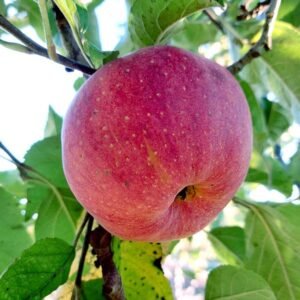
Heirloom and rare fruit tree varieties are a treasure of biodiversity, a genetic and cultural heritage often neglected in modern agriculture. They reflect age-old know-how and environmentally friendly ways of growing. These varieties can be adapted to different growing forms, from the traditional standard tree to more compact forms for small gardens.
Key advantages:
- Genetic diversity: these varieties help maintain rich, varied biodiversity, which is essential for resilient ecosystems.
- Unique flavours: they offer authentic, distinctive tastes, often much more pronounced than those of modern varieties.
- Adaptation to local conditions: having evolved over long periods, these trees have adapted naturally to their local conditions, which makes them ideal for different regions and climates.
Besides their ecological role, these varieties are a way to rediscover the flavours of the past and preserve part of our agricultural heritage. They can be grown in a traditional orchard or even in pots for the more compact varieties.
To learn more about this fascinating subject and understand in depth the benefits of growing these varieties, read our detailed article: The Value of Heirloom Fruit Tree Varieties.
Final words to help you choose the fruit tree that is right for you
Choosing a fruit tree for your garden is a decision that will shape your green space for many years. It is therefore essential to consider factors such as the type of fruit (pome or stone fruit), the rootstock, your local climate and the quality of your soil. Whether you opt for an apple tree, a pear tree, a cherry tree or a peach tree, each will bring its own beauty and unique fruit to your garden.
Choosing heirloom and rare varieties goes beyond simply planting a tree. It is a commitment to biodiversity, to safeguarding our agricultural heritage and to rediscovering authentic flavours. These trees can be adapted to different growing forms, from a standard tree in a large orchard to dwarf forms grown in pots on a terrace.