
Vorbestellung geöffnet – Die Baumschule Terra'Terre

The 10 Best Plum Varieties: A Complete Guide to Growing and Tasting

10 best plum varieties

Complete Guide to Plum Varieties: From Growing to Harvest

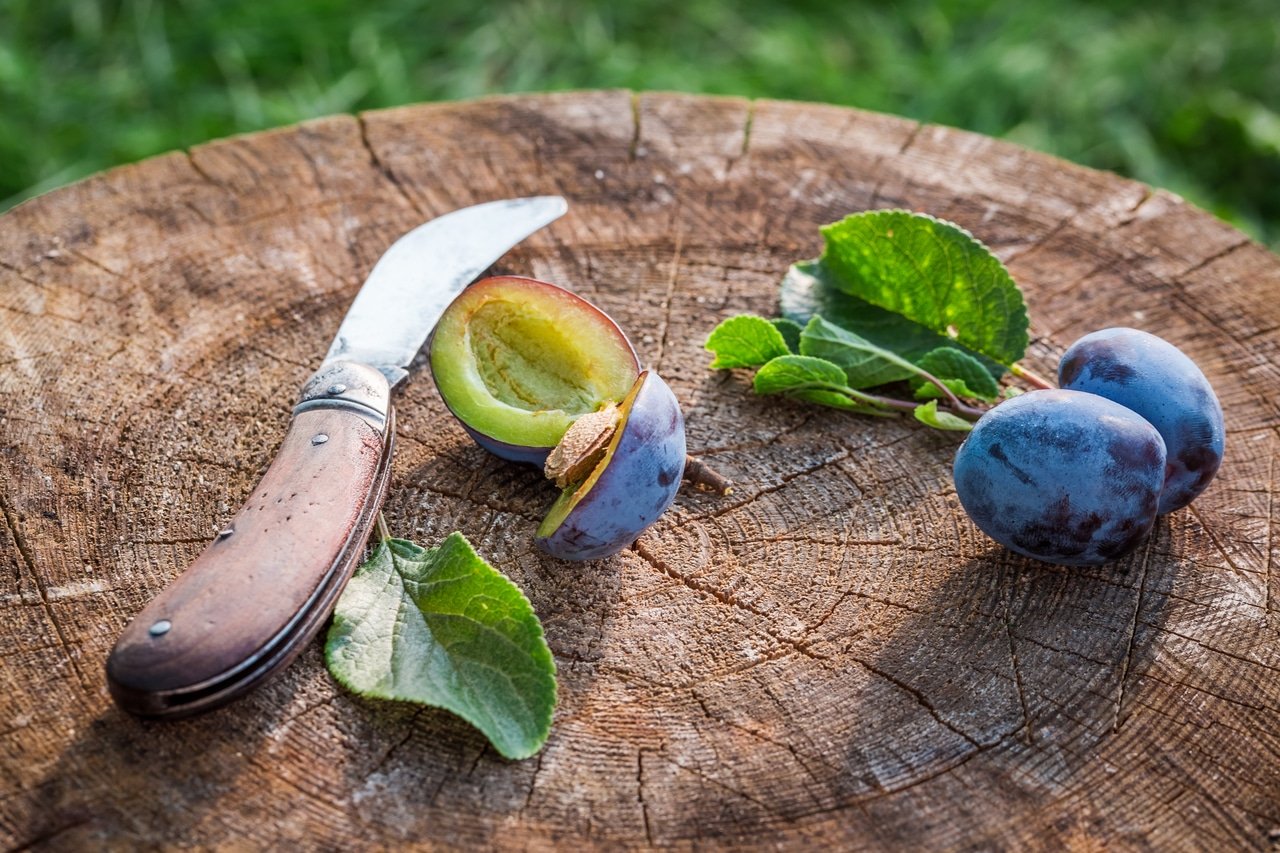
Plums, the jewels of the orchard, are a fruit heritage of exceptional richness. As nurserymen specialising in organic farming, we see interest in these delicious fruits and their heritage varieties growing every year.

Discover our selection of the best organic plum varieties:

  • ‘Reine Claude d’Oullins’ plum: early and self-fertile
  • ‘Datil’ plum: hardy and versatile
  • ‘Reine Claude Dorée’ or ‘Reine Claude Verte’ plum: the benchmark for flavour
  • ‘Mirabelle de Nancy’ plum: tradition and hardiness
  • ‘Quetsche d’Alsace’ plum: ideal for tarts
  • ‘Golden Japan’ plum: an exotic flavour
  • Stanley plum: productive and reliable
  • ‘Reine Claude de Bavay’ plum: late and flavoursome

The essentials on organic plum varieties

Top 5 varieties and their uses

  1. Datil: Versatile, resistance ★★★★★
  2. Reine-Claude Dorée: Best for dessert
  3. Mirabelle de Nancy: Perfect for tarts and jams
  4. Quetsche d’Italie: Ideal for prunes
  5. Stanley: Easy to grow, productive

Main families

🟡 Greengages (Reine-Claude): Sweet (July-August)

🟨 Mirabelles: Small, golden (August-September)

🟣 Quetsches: Elongated (late August-October)

🔵 Dessert plums: Large, juicy (July-September)

Organic growing in brief:

🌱 Plant: Nov-March 🌞 Spacing: 4-5 m ✂️ Prune: winter 💧 Water: first 3 years

Storage

  • Fresh: 2-3 weeks (4-6°C)
  • Can be frozen
  • Jam or drying for surpluses

Benefits

46 kcal/100 g + fibre + vitamin C

Discover all our plum trees


For those who want to know more:

Key figures on organic plums

  • More than 40 varieties grown in France
  • 2 to 3 times more polyphenols than conventional plums
  • Can keep for up to 4 weeks in optimal conditions
  • Harvest spread from July to October

Prunus domestica, the European plum, thrives particularly well in France and offers a remarkable diversity of fruit. From the famous Reine-Claude Dorée to the authentic Datil plum, each variety has its own taste, texture and uses.

Average nutritional values of organic plums

NutrientPer 100 gBenefits
Calories46 kcalIdeal for a balanced diet
Fibre1.4 gAids digestion
Vitamin C9.5 mgSupports the immune system

The Different Plum Varieties: A Complete Guide to Flavours

The diversity of organic plums offers an extraordinary range of flavours, textures and uses. In our collection of organic plum trees, we grow each variety with care to preserve its distinctive qualities.
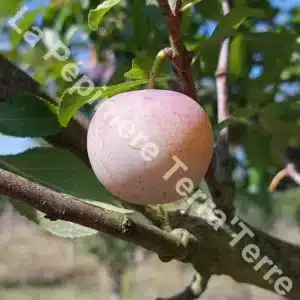
The Four Main Plum Families

Greengages (Reine-Claude)

Reine-Claude Dorée plum tree - La Pépinière Terra'Terre

The jewels of our orchards, greengages stand out for their sweet, fragrant flesh.

  • Harvest period: Mid-July to late August
  • Average size: 4-5 cm
  • Storage: 2-3 weeks
  • Uses: Dessert, jam, baking

Mirabelles

Mirabelle de Nancy plum tree - La Pépinière Terra'Terre

Small golden wonders, mirabelles are prized for their concentrated sweetness and delicate fragrance.

  • Harvest period: August to September
  • Average size: 2-3 cm
  • Storage: 1-2 weeks
  • Uses: Tarts, fruit brandy, jam

Quetsches

Recognisable by their elongated shape, quetsches are ideal for baking and drying.

  • Harvest period: Late August to October
  • Average size: 4-6 cm
  • Storage: 3-4 weeks
  • Uses: Tarts, prunes, jam

Dessert Plums

Goutte d'Or plum tree

Larger and juicier, these varieties are perfect for eating fresh.

  • Harvest period: July to September
  • Average size: 5-7 cm
  • Storage: 1-3 weeks
  • Uses: Dessert, compote

The 10 Best Organic Plum Varieties

Drawing on our experience as nurserymen specialising in organic fruit trees, we have selected the best-performing varieties for organic growing. This ranking takes into account natural disease resistance, eating quality and productivity.
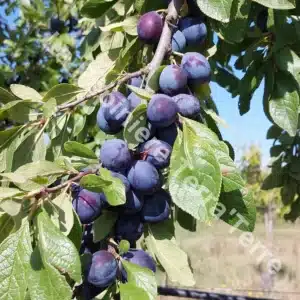
1. Datil Plum: The Star of Organic Orchards

Datil plum tree - La Pépinière Terra'Terre

The Datil plum stands out for its perfect balance of sweetness and acidity. Larger than a mirabelle but smaller than a greengage, it offers:

  • Taste: Dense yellow flesh, rich in sugar with a light, refreshing acidity
  • Growing: Quick, regular cropping, excellent disease resistance
  • Harvest: Mid-August, with generous, regular crops
  • Uses: Versatile – excellent as a dessert fruit, in jam and in baking

Nurseryman’s tip: Ideal for starting out in organic growing thanks to its natural hardiness.

2. Reine-Claude Dorée: Outstanding Flavour

Reine-Claude Dorée plum tree - La Pépinière Terra'Terre

Reine-Claude Dorée, often considered the finest dessert plum, offers an unrivalled taste experience:

  • Taste: Exceptionally sweet, fragrant flesh with a fine, melting texture
  • Growing: Needs a pollinizer, slightly susceptible to disease
  • Harvest: Mid-August, generous but biennial cropping
  • Uses: Excellent fresh and in jam

Nurseryman’s tip: Pair it with a Reine-Claude d’Oullins to improve pollination.

3. Mirabelle de Nancy: The Lorraine Tradition

Mirabelle de Nancy plum tree - La Pépinière Terra'Terre

Mirabelle de Nancy is a historic variety that excels in organic growing:

  • Taste: Small, very sweet golden fruit with a characteristic honey fragrance
  • Growing: Self-fertile, excellent hardiness, suited to cold climates
  • Harvest: Late August, abundant crops
  • Uses: Versatile – perfect for tarts, jams and fruit brandy

Nurseryman’s tip: An excellent variety for regions with harsh climates.

4. Quetsche d’Alsace: Authentic Tradition

Quetsche d’Alsace is the benchmark for tarts and prunes:

  • Taste: Firm, not very juicy flesh with a characteristic sweet-sharp flavour
  • Growing: Self-fertile, very hardy, excellent cold resistance
  • Harvest: Early September, regular crops
  • Uses: Ideal for baking and drying

Nurseryman’s tip: Choose a sunny position to maximise sugar content.
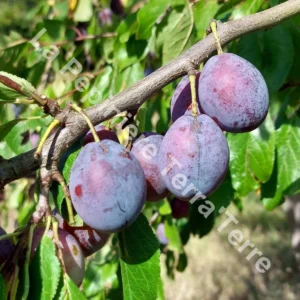
5. Prune d’Ente: The Queen of Prunes

Prune d'Ente plum tree (Agen prunes) - La Pépinière Terra'Terre

The Prune d’Ente, famous for Agen prunes, stands out for:

  • Taste: Very sweet, fragrant flesh with an exceptional sugar content
  • Growing: Vigorous and hardy, good disease resistance
  • Harvest: Late August-early September
  • Uses: Perfect for prunes and processing

Nurseryman’s tip: Thinning the fruit improves size and flavour.

6. Golden Japan: The Exotic Organic Plum

The Golden Japan plum tree brings a touch of originality to the orchard:

  • Taste: Golden-yellow flesh, very juicy, with a mild, fragrant flavour
  • Growing: Moderate vigour, needs cross-pollination
  • Harvest: Mid-July to early August
  • Uses: Excellent fresh and in compote

Nurseryman’s tip: Plant it with another Japanese variety to ensure pollination.

7. Stanley: The All-Rounder

The Stanley plum is valued for its versatility:

  • Taste: Firm, sweet flesh with a balanced flavour
  • Growing: Self-fertile, very productive, good disease resistance
  • Harvest: Mid-September
  • Uses: Versatile – excellent fresh, dried and in baking

Nurseryman’s tip: Ideal for beginners as it is easy to grow.
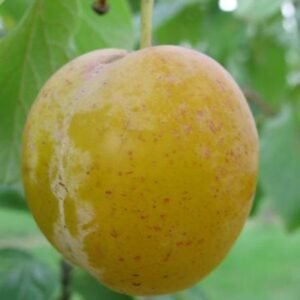
8. Reine-Claude d’Oullins: Early and Generous

Reine-Claude d'Oullins plum tree

Reine-Claude d’Oullins is known for its earliness:

  • Taste: Yellow-green flesh, juicy and sweet, slightly tangy
  • Growing: Self-fertile, an excellent pollinizer, resistant to brown rot
  • Harvest: Late July-early August
  • Uses: Perfect fresh and in baking

Nurseryman’s tip: An excellent choice to open the greengage season.

9. Reine-Claude de Bavay: Late and Refined

Reine-Claude de Bavay extends the season with elegance:

  • Taste: Fine, very sweet flesh with a delicate fragrance
  • Growing: Good hardiness, not very susceptible to brown rot
  • Harvest: Late August-early September
  • Uses: Excellent fresh and for processing

Nurseryman’s tip: Thin the fruit to avoid biennial bearing.

10. Goutte d’Or de Coe: The Golden Jewel

Goutte d'Or plum tree

The Goutte d’Or plum rounds off our selection with its exceptional qualities:

  • Taste: Golden flesh, very sweet, fragrant and juicy
  • Growing: Moderate vigour, needs a pollinizer
  • Harvest: Mid-September
  • Uses: Ideal as a dessert fruit and for jam

Nurseryman’s tip: Eat soon after picking to enjoy its full aroma.

Comparison Table of the 10 Best Varieties

Harvest Period

VarietyHarvestSelf-fertile
DatilMid-AugustYes
Reine-Claude DoréeMid-AugustNo
Mirabelle de NancyLate AugustYes
Quetsche d’AlsaceSeptemberYes
Prune d’EnteLate AugustNo
Golden JapanMid-JulyNo
StanleyMid-SeptemberYes
Reine-Claude d’OullinsLate JulyYes
Reine-Claude de BavayEarly SeptemberNo
Goutte d’OrMid-SeptemberNo

Resistance and Uses

VarietyResistanceMain use
Datil★★★★★All-round
Reine-Claude Dorée★★★☆☆Dessert
Mirabelle de Nancy★★★★☆Baking
Quetsche d’Alsace★★★★★Baking
Prune d’Ente★★★★☆Prunes
Golden Japan★★★★☆Dessert
Stanley★★★★★All-round
Reine-Claude d’Oullins★★★★☆Dessert
Reine-Claude de Bavay★★★★☆Dessert/Preserves
Goutte d’Or★★★☆☆Dessert

Choosing Varieties for Your Organic Orchard

  • For a small garden: Choose self-fertile varieties such as Datil or Stanley
  • For a spread-out harvest: Combine Reine-Claude d’Oullins (early) and Reine-Claude de Bavay (late)
  • For cold regions: Go for Quetsche d’Alsace or Mirabelle de Nancy
  • For beginners: Choose hardy varieties such as Stanley or Datil

Complete Guide to Cooking with Organic Plums

Rich in natural flavour, organic plums offer an exceptional range of tastes for cooking. Each variety in our collection of organic plum trees has its own culinary qualities.

AB organic farming logo

Plums for Eating Fresh

Best Varieties for Eating Fresh:

Storage Tips:
  • Ideal temperature: 4-6°C
  • Optimal humidity: 85-90%
  • Maximum time: 2-3 weeks depending on the variety

Jams and Jellies

Organic Plum Jam Recipe

Ingredients:
  • 1 kg organic plums
  • 750 g sugar
  • 1 organic lemon
Recommended Varieties:

Baking and Desserts

Uses in Baking:

Preparation Tips:
  • Stoning: easier with slightly firm fruit
  • Baking: keep an eye on the water content of the fruit
  • Storage: plum desserts freeze well

Drying and Prunes

Guide to Drying Organic Plums

Best Varieties for Drying:
Drying Process:
  • Optimal temperature: 65-70°C
  • Average time: 24-36 hours
  • Storage: up to 1 year in a dry place

Practical Advice

  • Choose organic fruit for its fuller natural flavour
  • Match the variety to the intended use
  • Follow the seasons for fruit at its best
  • Freeze or bottle any surplus

Complete Guide: Diseases and Pests of Organic Plum Trees

In organic growing, prevention is the key to a healthy orchard. Our experience as specialist organic nurserymen lets us share the best practices for keeping your plum trees healthy.
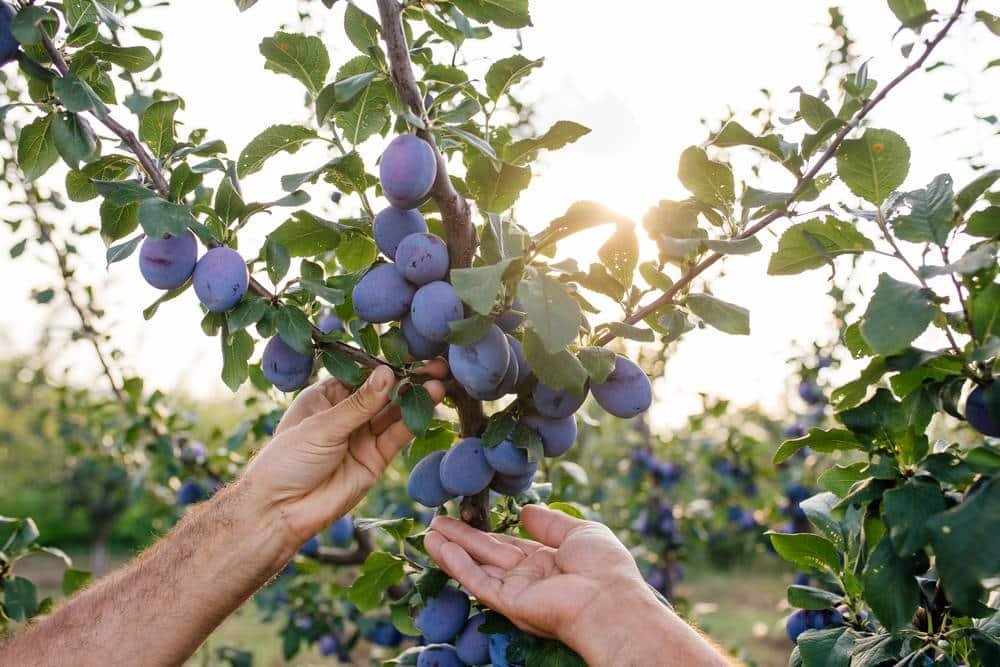
Prune d'Ente plums in the orchard (Agen prunes)

Main Fungal Diseases

Brown Rot: The Major Threat

Symptoms:
  • Brown rot on the fruit
  • Withering of flowers and shoots
  • Mummified fruit remaining on the tree
Organic Prevention:
  • Regular pruning to let air through the tree
  • Systematic removal of mummified fruit
  • Resistant varieties such as Reine-Claude de Bavay
Natural Treatment:
  • Horsetail tea as a preventive
  • Calcined kaolin clay

Rust: A Risk to the Foliage

Symptoms:
  • Orange spots on the underside of leaves
  • Early leaf drop
  • Weakening of the tree
Organic Prevention:
  • Encourage air circulation
  • Avoid excess nitrogen
  • Collect fallen leaves

Main Pests

Plum Moth: The Enemy of the Fruit

Identification:
  • Small grubs inside the fruit
  • Entry holes with frass
  • Premature fruit drop
Biological Solutions:
  • Pheromone traps
  • Corrugated cardboard bands
  • Releases of Trichogramma wasps

Aphids: Keep an Eye Out

Impact:
  • Distorted leaves
  • Honeydew and sooty mould
  • Weakened young shoots
Natural Control:
  • Encourage beneficial insects (ladybirds, hoverflies)
  • Diluted black soap
  • Nettle or bracken tea

Preventive Strategies in Organic Growing

Essential Actions:

  • Choice of variety: Favour hardy varieties such as the Datil plum
  • Planting: Respect spacing for good air flow
  • Pruning: Keep an airy, balanced framework
  • Biodiversity: Plant hedges and companion plants

Organic Care Calendar

SeasonPreventive actionsWhat to watch
WinterPruning, clean-up, winter treatmentGeneral health
SpringBlossom protection, natural stimulantsBrown rot, aphids
SummerFruit thinning, monitoringPlum moth, rust
AutumnClean-up, strengtheningPost-harvest condition

Approved Organic Treatments

  • Plant teas (nettle, horsetail, bracken)
  • Clays (calcined kaolin)
  • Sulphur and copper (limited doses)
  • Bacillus thuringiensis (against caterpillars)

Note: even in organic growing, use treatments only as a last resort. Prevention remains the best protection.

Growing Plum Trees Organically: A Complete Practical Guide

Growing plum trees organically calls for a holistic, well-thought-out approach. Our experience as a specialist organic nursery lets us share the best practices for a successful natural orchard.
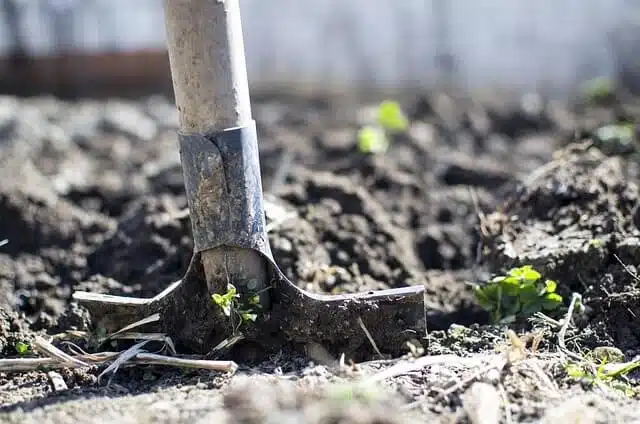
Planting fruit trees

Planting and Establishment

Soil Preparation

  • Ideal soil type: Well drained, slightly chalky
  • Optimal pH: Between 6.5 and 7.5
  • Recommended natural soil improvers:
    • Mature compost (3-5 kg/m²)
    • Bone meal for phosphorus
    • Wood ash for potassium

Planting Tips

  • Best time: November to March, avoiding frost
  • Planting distance:
    • Between trees: 5-6 metres
    • Between rows: 6-7 metres
  • Orientation: North-south rows to make the most of the sun

For detailed planting advice, see our guide How to plant a fruit tree.

Organic Care

Pruning and Training

  • Formative pruning: The first 3 years
  • Maintenance pruning: Every winter
  • Summer pruning: In summer, to let air into the tree

Discover our detailed techniques in our pruning guide.

Natural Feeding

PeriodType of inputAmount
AutumnMature compost3-5 kg/tree
SpringNettle teaDiluted 1:10
SummerRamial chipped wood5 cm layer

Water Management in Organic Growing

  • Watering young trees: Regularly for the first 2 years
  • Mature trees: Only during droughts
  • Water-saving techniques:
    • Organic mulch
    • Drip irrigation
    • Watering basin

Companion Planting

Beneficial Plants

  • Herbs: Lavender, thyme, rosemary (natural repellents)
  • Flowers: Marigold, chamomile (attract pollinators)
  • Ground cover: White clover (fixes nitrogen)

Organic Harvesting and Storage

Harvesting Tips

  • Signs of ripeness:
    • The colour typical of the variety
    • Fruit slightly soft to the touch
    • Bloom intact
  • How to pick:
    • Pick with the stalk
    • Handle gently
    • Avoid the hottest hours

Natural Storage Methods

  • Short term (1-2 weeks):
    • Cool, ventilated room
    • Temperature: 4-6°C
    • Humidity: 85-90%
  • Processing:
    • Natural drying
    • Jams without preservatives
    • Freezing

Organic Certification

Converting to organic requires:

  • 3 years of conversion
  • Compliance with organic regulations
  • Regular inspections
  • Records of your practices

Keys to Success in Organic Growing

  • Regular observation of the orchard
  • Anticipating problems
  • Maintaining biodiversity
  • Patience and perseverance

Facebook
WhatsApp
Email
Print
Picture of Vincent

Vincent

Leave a Reply

Your email address will not be published. Required fields are marked *

🎉 Perfect!

Your email has been saved. We'll let you know as soon as the next pre-orders open.

Thank you! 🌱

Terra'Terre

Log In